A7A5 Russian stablecoin claims $34.4B volume, but analysts say it's inflated
In brief
- A7A5 claims $205M daily volume and $34.4B processed since January 2025.
- TRM Labs estimates actual daily volume at $75M, with 34% from circular fund movements.
- Elliptic reports monthly volumes down 90% since January and 96% from peak levels.
- The token is backed by a sanctioned Russian bank in a Russia-linked ecosystem.
Claims vs. Reality
A7A5 claims it averages about $205 million in daily trading volume. TRM Labs analyst Chris Keegan said the firm's analysis places A7A5's average daily volume closer to $75 million. The gap matters. TRM Labs found that about 34% of observed transaction volume appears to consist of circular fund movements that artificially inflate activity.
Elliptic co-founder Tom Robinson said monthly transaction volumes have fallen by more than 90% since January. The token's volumes are down 96% from their peak last year. This is the opposite of growth.
The Token's Backstory
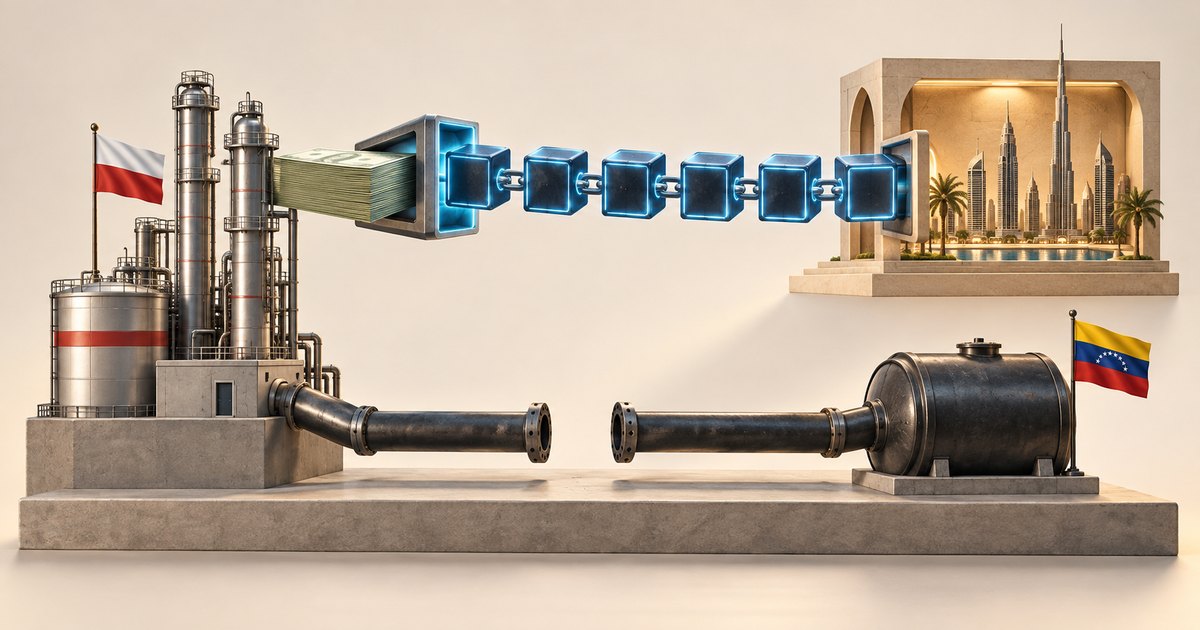
A7A5 is backed by deposits at Promsvyazbank, a Russian bank hit by Western sanctions. The EU, U.K., and U.S. all sanctioned A7A5 as well. The token was rolled out in Kyrgyzstan in early 2025, partly to circumvent those restrictions. It hasn't worked.
A7A5's director for regulatory affairs Oleg Ogienko said most of the token's activity takes place in decentralized finance. He pushed back on the volume criticism, saying data providers including CoinMarketCap, CoinGecko and DeFiLlama rely too heavily on centralized exchange data.
Confined to a Russia-Linked Ecosystem
Sanctions specialist Kaitlin Martin said A7A5 remains largely confined to a Russia-linked ecosystem because Western sanctions have prevented most global trading venues from listing the token. The token can't escape the perimeter it was designed to breach.
The controversy has drawn geopolitical attention. Russia recently sanctioned British teenager Alexander Browder, who is 17 years old and penned a report for The Henry Jackson Society, a foreign policy think tank, exposing the alleged use of A7A5 in funding the war effort against Ukraine.
"The cherry-picked trading and transaction figures provided by A7A5 are consistent with Elliptic's analysis. However, they conceal the obvious trend: that A7A5 is failing in its goal of enabling Russian sanctions evasion." — Tom Robinson, co-founder of Elliptic
Frequently asked questions
What is A7A5 and why was it created?
A7A5 is a ruble-pegged stablecoin backed by deposits at Promsvyazbank, a sanctioned Russian bank. It was designed to facilitate cross-border payments outside Western financial channels, partly to circumvent sanctions. The EU, U.K., and U.S. all sanctioned the token.
Why do analysts say A7A5's volume claims are inflated?
TRM Labs found that about 34% of observed transaction volume consists of circular fund movements that artificially inflate activity. This means actual daily volume is closer to $75 million, not the $205 million A7A5 claims. Elliptic reports volumes have fallen 90% since January.
Why can't A7A5 trade on major global exchanges?
Western sanctions have prevented most global trading venues from listing the token. Sanctions specialist Kaitlin Martin says A7A5 remains confined to a Russia-linked ecosystem as a result.