Alibaba expands cloud regions to Turkey, Finland, Netherlands amid AI arms race
In brief
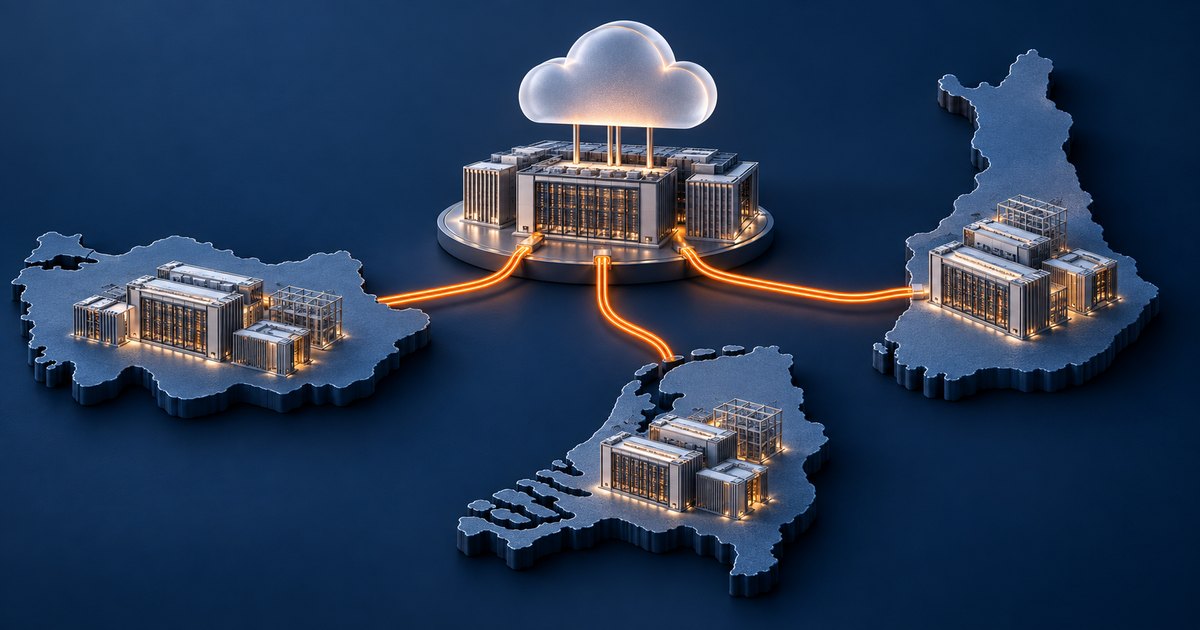
- Alibaba plans first cloud regions in Turkey, Finland, Netherlands within 12 months.
- Company commits $53 billion to AI and cloud infrastructure over three years starting 2025.
- Infrastructure roadmap targets 20-gigawatt global data center network by 2032.
- Citigroup estimates $160 billion potential external cloud revenue if plan succeeds.
Global data center ambitions
Alibaba's infrastructure roadmap targets a 20-gigawatt global data center network by 2032. The scale is significant. Citigroup estimates that if Alibaba achieves this 20-gigawatt network, it could generate over $160 billion in external cloud revenue. That projection underscores the commercial stakes of the infrastructure race.
Alibaba Cloud launched a second data center in Dubai in October 2025, nine years after opening its first facility in the city. The company already operates across Malaysia, Germany, the UAE, France, and Hong Kong. The new European and Middle Eastern footholds extend that reach into regions where regulatory and competitive dynamics differ sharply from Asia.
Regulation and geopolitics
The European Union and several Middle Eastern nations have implemented increasingly strict data localization requirements. Local infrastructure addresses those constraints directly, allowing Alibaba to serve customers who must keep data within specific jurisdictions. It's a practical answer to fragmented regulation.
Alibaba's global cloud push is unfolding against the backdrop of intensifying US-China competition in artificial intelligence. Washington has imposed export controls on advanced AI chips destined for China, constraining Beijing's domestic chip supply. Building data centers outside the US sphere reduces dependency on American hardware and creates optionality for training large models.
Model capabilities ahead
Alibaba Cloud executive Li Feifei revealed that the company is advancing its ability to train AI foundation models with parameters ranging from 5 to 10 trillion.
That scale positions Alibaba alongside the largest AI labs globally. Training models of that size demands enormous compute. The infrastructure investments announced—especially the 20-gigawatt target—align with the computational needs of frontier AI development. Alibaba isn't just renting cloud to customers; it's building the backbone to compete in model training and deployment at scale.