Anthropic's Claude Ship lets AI agents review, fix and approve code changes
In brief
- Claude Ship: Anthropic launched three AI agents covering code review, fixes and approvals.
- Some configurations let changes merge without a human reading the code, per Anthropic's documentation.
- Merged changes more than doubled from June to September as reverts fell, Anthropic said.
- Administrators decide which parts of their software still need human supervision.
Three agents, three stages
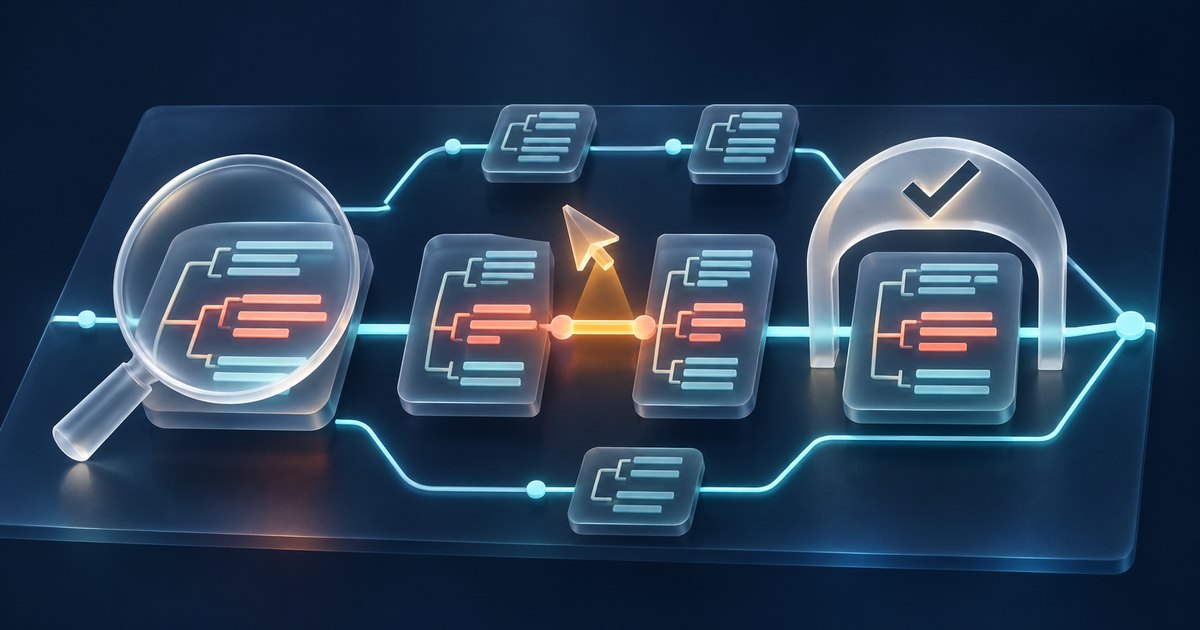
Claude Ship combines three tools, each handling a different stage of the process, according to Decrypt's report on the launch. The first, Code Review, checks proposed changes against the existing codebase and uses multiple agents to find potential bugs (and to verify each other's findings). PR Steward, the second, makes corrections when automated tests fail or reviewers find problems. It documents its changes and gives instructions for reversing them, so developers can step in if needed.
The third piece, Claude Approvals, decides whether proposed changes meet the company's approval policies. Repositories set up for automatic merging can take in changes without anyone approving them manually, according to Anthropic's technical documentation.
Administrators decide which parts of their software need human supervision and which decisions get handed to the AI.
Why Anthropic built it
Anthropic said Claude already writes most of the code produced by its Claude Code team. Decrypt reported that AI coding tools had gotten so good at producing software that reviewing it had become a bottleneck.
Anthropic reported that its merged changes more than doubled between June and September, while the share of changes that had to be reversed fell by more than 40%. Those results didn't come from a fully autonomous system, though. They came from a broader review process that kept human oversight for sensitive changes. Documentation changes could pass without human approval at Anthropic, while especially risky changes needed sign-off from two people.
In one case, per an October Anthropic engineering report, a proposed change went through more than 50 rounds of automated reviews and corrections overnight before its author stepped in.
“A person is accountable for every change that ships, whoever typed it,” Anthropic's engineers wrote.
Where the risks sit
Decrypt noted that two agents built on similar models can miss the same flawed assumption, while a human programmer and a language model might approach a problem differently. That's the core weakness of AI checking AI.
There's also a cautionary case on record. In April, a startup founder reported that a coding agent running Anthropic's Claude Opus 4.6 deleted his company's production database and its volume-level backups with a single API call, according to Decrypt.
So which changes still get a human reviewer? Claude Ship leaves that call to each team's administrators.
Frequently asked questions
How does Anthropic's Claude Ship work?
Claude Ship combines three tools. Code Review checks proposed changes against the existing codebase using multiple agents, PR Steward fixes problems when tests fail or reviewers flag issues, and Claude Approvals decides whether changes meet the company's approval policies.
Can Claude Ship merge code without a human reviewing it?
Yes, under certain configurations. According to Anthropic's technical documentation, as reported by Decrypt, repositories set up for automatic merging can take in changes without anyone approving them manually. Administrators decide which parts of their software still require human supervision.
What results has Anthropic reported from automated code review internally?
Anthropic reported that its merged changes more than doubled between June and September, while the share of changes that had to be reversed fell by more than 40%. Those results came from a process that kept human oversight for sensitive changes, not a fully autonomous system.