Bitwise CEO Hunter Horsley floats stablecoins as a backup after U.S. bank outages
In brief
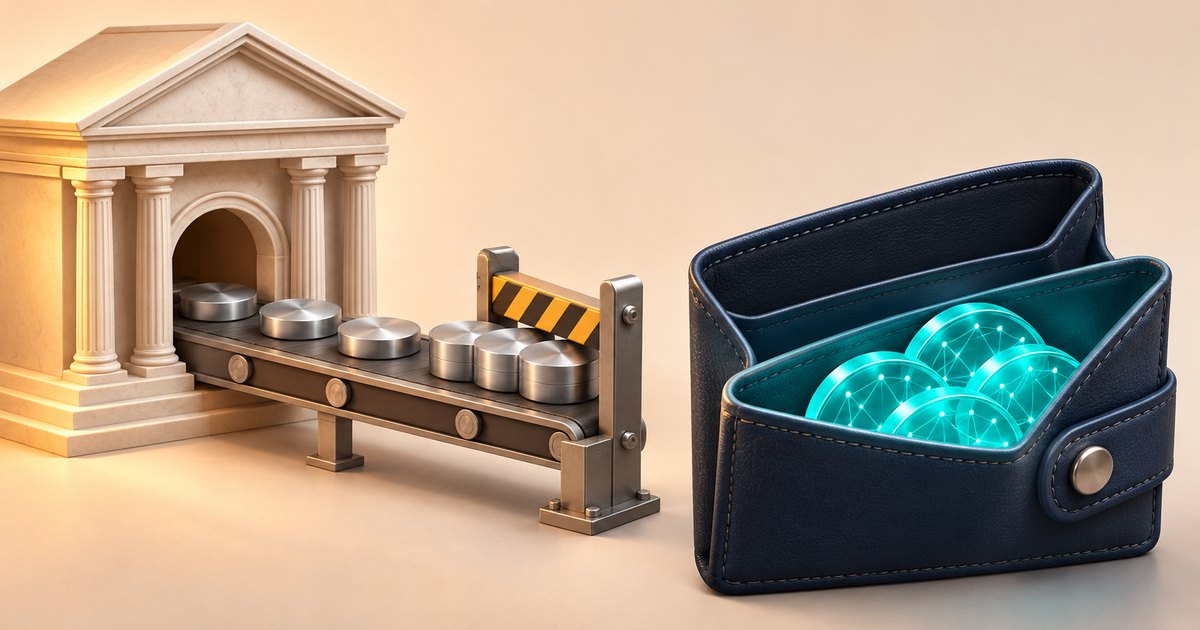
- Bitwise CEO Hunter Horsley urged Americans on X to keep some funds in stablecoins or crypto.
- Thousands reported Chase, Bank of America and Wells Fargo problems to Downdetector on Nov. 16, per Fox News.
- Chase was found to be the main source of the disruption, which spilled over into transactions at other banks.
- Chase said it fixed the issue by that evening and transactions were back to normal.
- Stablecoin cash-outs into dollars may still require access to traditional banks.
What Horsley said
Horsley's post was short. In it, he pointed to weaknesses in traditional financial systems as reliance on technology keeps growing, writing "Rolling bank outages in the AI era." He followed that with a direct suggestion to his readers (it's his view, not a recommendation from this desk):
"Consider having some stablecoins or crypto just in case."
What happened on Nov. 16
According to Fox News, as cited by U.Today, thousands of people used the outage tracker Downdetector to report trouble with JPMorgan Chase, Bank of America and Wells Fargo. Customers said they couldn't log into their online accounts, view balances or conduct transactions. Zelle, the payment service many Americans use to move money between bank accounts, was reportedly affected too.
The picture got narrower once people dug in. Further investigation indicated that problems at Chase spilled over into transactions with other banks, while the Zelle app itself continued to work. Chase said it had fixed the technical issue by the evening of Nov. 16 and that transactions were back to normal.
One bank's problem didn't stay at one bank.
Where stablecoins fit (and where they don't)
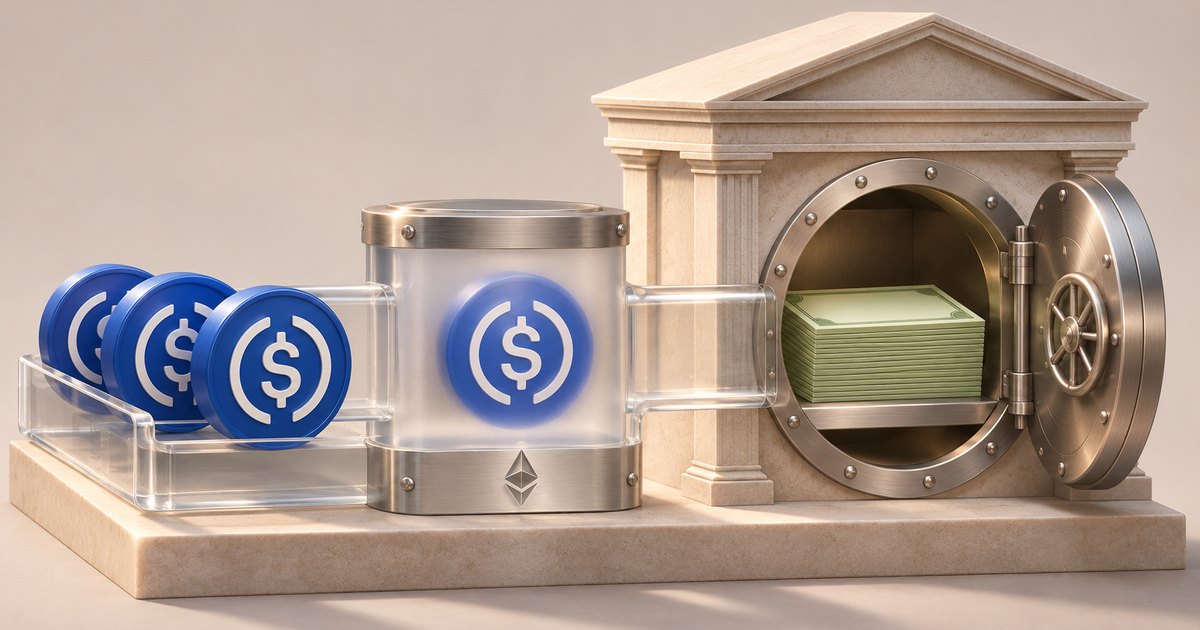
Stablecoins such as USDT and USDC aim to track the value of the U.S. dollar. According to the Federal Reserve Bank of Chicago, participants on blockchain networks can transfer dollar-based stablecoins 24/7. That 24/7 availability is the backdrop to Horsley's post.
There's a catch, though. Cashing stablecoins out into traditional money may still require access to traditional financial institutions, the same kind of institutions customers had trouble reaching on Nov. 16. So a stablecoin balance doesn't fully sidestep the banking system when it's time to turn those tokens back into spendable dollars at a bank.
Horsley didn't put a number on how much anyone should hold, and his post framed the idea simply as a "just in case" measure.
Frequently asked questions
Can stablecoins be moved when bank systems are down?
According to the Federal Reserve Bank of Chicago, as cited by U.Today, participants on blockchain networks can transfer dollar-based stablecoins 24/7. Stablecoins such as USDT and USDC aim to track the value of the U.S. dollar.
Do stablecoins remove the need for a bank during an outage?
Not entirely. Cashing stablecoins out into traditional money may still require access to traditional financial institutions, so converting them back into dollars can still depend on banks.
What caused the Nov. 16 bank outage reports?
Thousands of users reported problems with JPMorgan Chase, Bank of America and Wells Fargo on Downdetector, according to Fox News. Further investigation indicated problems at Chase spilled over into transactions with other banks. Chase said it fixed the issue by that evening.