Brazil's CSD BR mirrors BTG Pactual fund records on XRP Ledger

In brief
- CSD BR began mirroring records for selected BTG Pactual funds on the XRP Ledger.
- CSD BR's existing database stays the official record; no registered assets are moving onchain.
- XRPL's Multi-Purpose Token standard underpins the tokens, allowing freezes and court-ordered reversals.
- Direct issuance of real-estate and agribusiness receivables is planned but not yet live.
A mirror, not a migration
That distinction matters. CSD BR's existing database remains the official record for registration, custody and settlement, and registered assets aren't being moved onto the XRP Ledger. The 22 trillion reais figure describes what the operator oversees, not what's onchain.
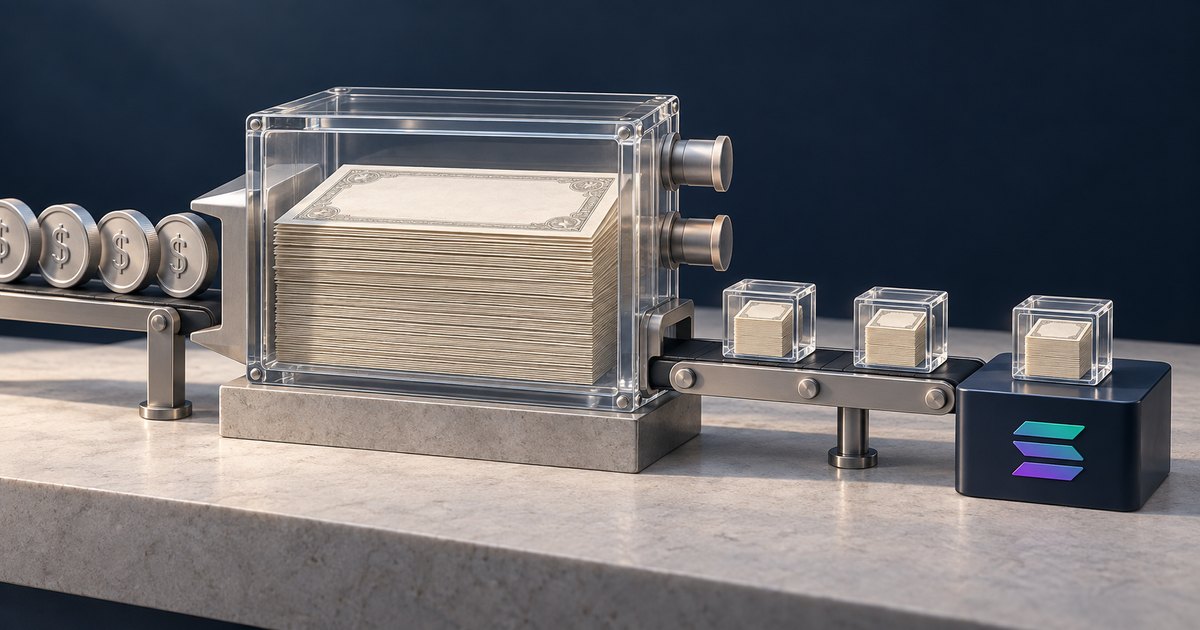
What goes on XRPL is a copy. Fund shares deposited with CSD BR are represented as tokens on the ledger, and approved banks and companies can read that blockchain copy directly and check it against CSD BR's database at any time. Every change on XRPL is publicly recorded (including any reversal CSD BR makes), so a gap between the two records would be visible.
That's the pitch.
Reconciliation, the work of matching depository and bank records, is slow and costly, and a mismatch can hold up a trade.
Public chain, private controls
Many banks and depositories have experimented with private blockchains open only to invited members. CSD BR is going the other way: it's using a public one while keeping its own controls over who can hold the tokens.
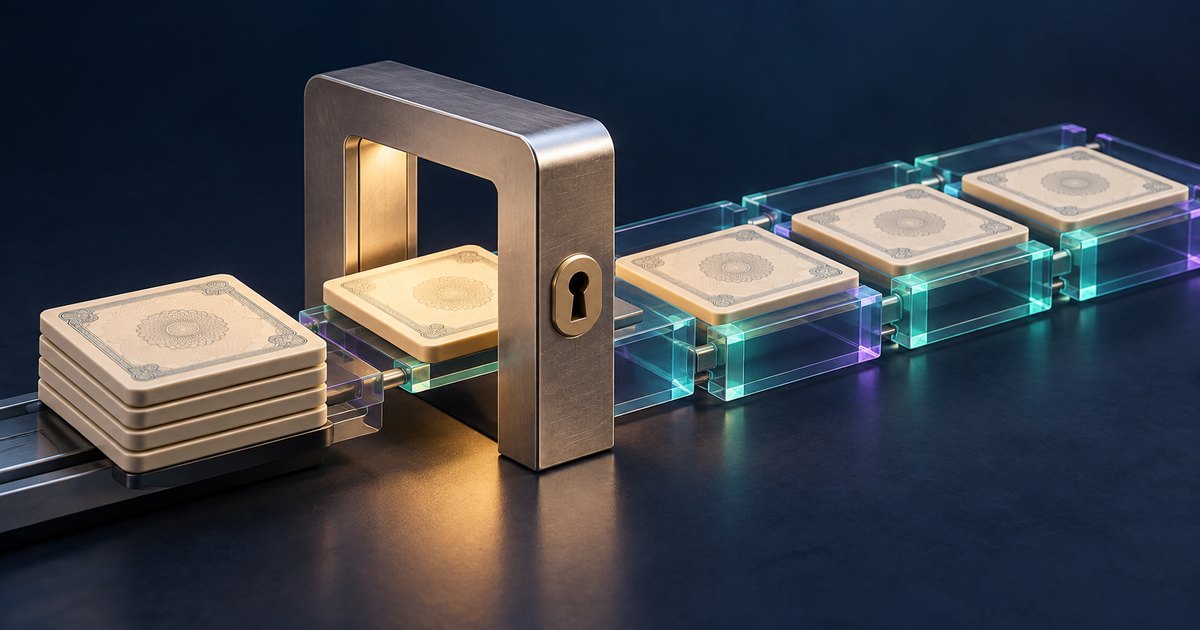
Those tokens use XRP Ledger's Multi-Purpose Token standard, which was designed for financial assets whose issuers need more control. Under that setup, CSD BR can restrict who participates. It can also freeze assets or reverse transactions when a regulator or court requires it. Participants still have to pass the usual identity and anti-money-laundering checks.
CSD BR was founded in 2018 and is authorized by both Brazil's central bank and its securities regulator. Its systems register and maintain positions in instruments ranging from securities to derivatives.
What comes next
Ripple and CSD BR said the project starts with live fund records. Direct issuance is still only a plan. Once CSD BR is comfortable with the mirroring system, the companies intend to test issuing assets directly on XRP Ledger and letting approved participants trade them there, according to CoinDesk.
Brazilian real-estate receivables and agribusiness receivables were named as future candidates. Neither is being issued on the ledger yet, and the companies didn't give a timeline in the release as reported.
Frequently asked questions
Is CSD BR moving assets onto the XRP Ledger?
No. CSD BR's existing database remains the official record for registration, custody and settlement, and registered assets aren't being moved onto XRPL. The blockchain holds a second record of who owns shares in selected BTG Pactual funds.
What controls does CSD BR keep over the XRPL tokens?
The tokens use XRP Ledger's Multi-Purpose Token standard, which was designed for issuers that need more control. CSD BR can restrict who participates, and it can freeze assets or reverse transactions when a regulator or court requires it. Participants must pass identity and anti-money-laundering checks.
How does a second record on a public blockchain help?
Approved banks and companies can read the blockchain copy directly and check it against CSD BR's database at any time. Every change on XRPL is publicly recorded, including reversals, so a gap between the two records would be visible. Reconciliation between depository and bank records is slow and costly, and mismatches can hold up trades.