Cardano launches Ouroboros Leios testnet as ADA hits 2020 lows

In brief
- Cardano launched Musashi Dojo testnet to trial Ouroboros Leios protocol upgrade for increased transaction throughput
- ADA traded near $0.14, lowest since 2020, down 55% this year amid declining market conviction
- SecondFi wallet breach exposed private keys, resulting in 16M ADA loss across 374 addresses
Scaling milestone arrives amid token decline
ADA was trading near $0.14, its lowest price level since 2020. The token has fallen more than 55% this year and risks falling out of the top 20 crypto assets by market capitalization if the slide continues. Market sentiment has fractured. On Binance, long ADA accounts outnumber short accounts by 2.1 to 1, but the ratio among the exchange's top traders stood at 0.9754, leaving that group marginally net short. On OKX, long accounts outnumber shorts by 1.46 to 1.
The pressure has already forced contractions in Cardano's economy. Projects like TapTools and JPG Store scaled back or shut down operations in the year. Into this environment, Input Output is advancing the network's most ambitious technical upgrade.
How Leios addresses throughput
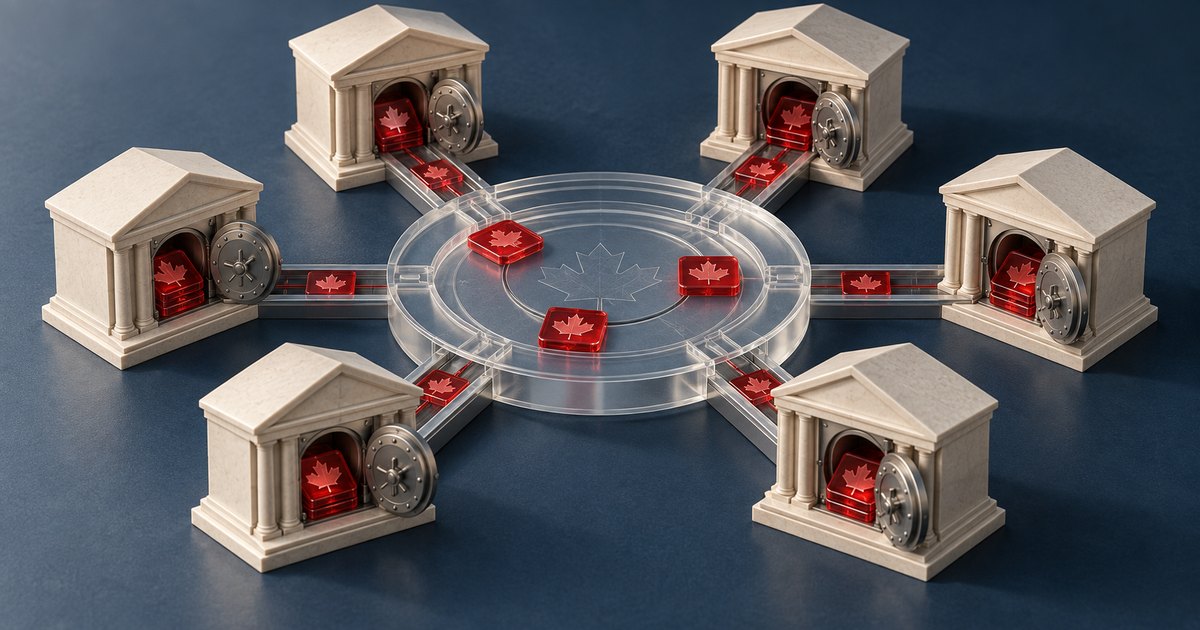
Leios is designed to address one of Cardano's longest-running technical criticisms: that the network's base layer cannot process enough transactions to support widespread activity. The upgrade introduces a second block type alongside the existing Praos block to increase transaction throughput. The two block types perform different roles, allowing the network to decouple block propagation from transaction finality.
Public testing via Musashi Dojo lets developers trial the protocol before mainnet deployment. The hard fork represents the first major architectural shift in Cardano's consensus layer in years.
Wallet breach undercuts confidence
Confidence in Cardano's ecosystem took a hit when SecondFi, a wallet provider, disclosed that its platform users lost roughly 16 million ADA across 374 addresses. At ADA's recent price, the stolen assets were worth about $2.4 million.
SecondFi's wallet software exposed the private keys it generated, according to Mitchell Amador, CEO and Founder of Immunefi:
SecondFi's wallet software exposed the private keys it generated, and our research has been tracking exactly this move for two years. Key compromises inside DeFi protocols dropped to 8.1% of losses by 2025 because teams hardened their key management. The attackers didn't quit. They moved to where keys are held in bulk: exchanges like Bybit, custodians, and now wallet generation code itself.
Engineers initiated emergency rescue measures during the exploit and secured about 129 million ADA before attackers could drain it. As of press time, SecondFi said it had identified the source of the vulnerability and patched accounts that had not been affected. It also warned customers against restoring compromised recovery phrases in other Cardano wallets, as doing so would expose funds elsewhere. SecondFi has hired an external accounting firm to conduct a special audit of the recovered funds and opened a process to compensate affected users.
The breach compounds the narrative headwind facing Cardano. Major protocol upgrades require sustained user confidence and ecosystem participation. Leios can't solve price pressure or restore security trust by itself — but it's the technical foundation the network needs to compete on throughput, the one dimension where Cardano has faced persistent criticism.