China's Manufacturing PMI Expands to 50.3 as AI Exports Surge

In brief
- China's manufacturing PMI reached 50.3 in June, marking fourth consecutive month of expansion
- AI hardware exports surged 66.1% year-on-year amid record $376.78 billion total exports
- Employment sub-index fell to 48.4, signaling job losses despite manufacturing output growth
Export Boom Driven by AI Demand
China's exports surged 19.4% year-on-year to a record $376.78 billion in May, propelled by global demand for artificial intelligence infrastructure. Within that surge, automated data processing equipment exports rose 66.1% year-on-year — a category capturing much of the AI hardware supply chain. The new export orders sub-index bounced back to 50.1 in June after contracting in May, signaling renewed global appetite for Chinese-made AI components.
Manufacturing output itself strengthened. Output within the manufacturing sector ticked up to 51.4 from 51.2, while new orders overall jumped to 51.2 from May's contracted reading of 49.9. The rebound suggests demand is there. But the employment picture tells a different story.
The Employment Paradox
The employment sub-index came in at 48.4 in June, firmly in contraction territory. Factories are producing more stuff but not hiring more people to do it. This divergence matters. Manufacturing expansion that doesn't generate jobs limits the multiplier effect on the broader economy — meaning gains in exports and output don't translate into wage income that drives consumer spending or broader growth.
The divergence between the official and private PMI readings has historically reflected differences in how state-owned enterprises and private firms experience the same economic cycle. The private sector's RatingDog Manufacturing PMI registered in the 51.6 to 51.8 range in recent months, hovering above the official reading, yet both indices show the same employment weakness. For an economy where youth unemployment has been a persistent political headache, the June employment contraction adds pressure.
Structural Questions
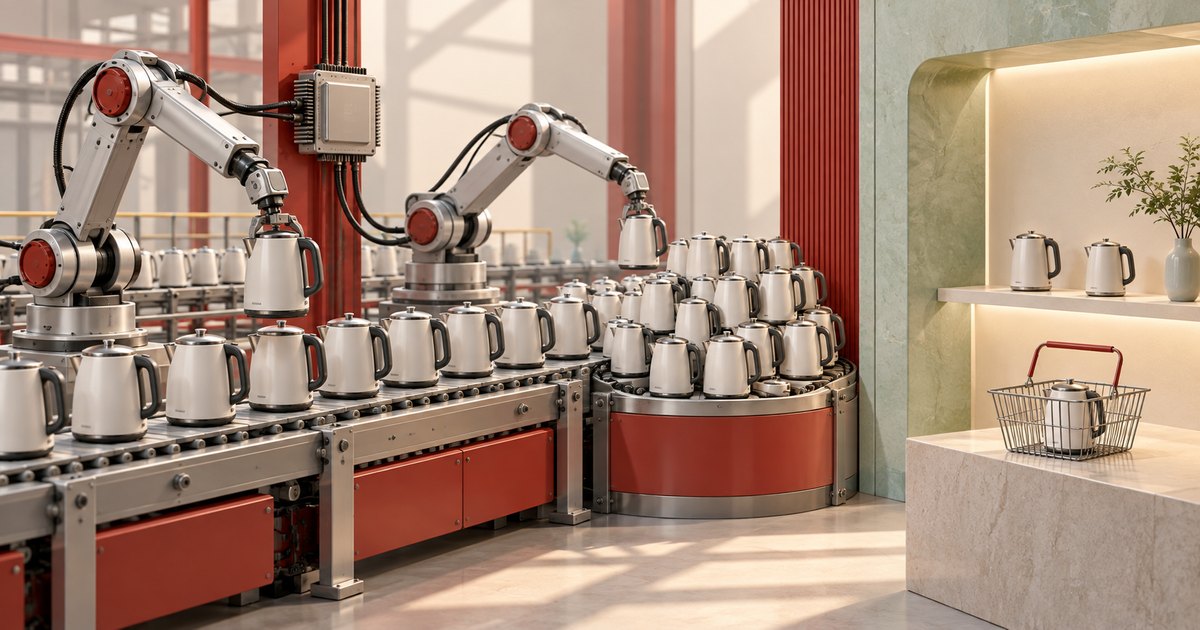
The pattern is clear: Chinese manufacturers are positioned as critical nodes in the AI supply chain. That positioning is profitable and strategically important. But it's also capital-intensive and automation-heavy — which explains why output can rise while payrolls shrink. The June data illustrates a narrowing economic model: growth concentrated in export-facing, high-tech sectors that create fewer jobs per unit of output than traditional manufacturing once did.