Coinbase Solana validator joins DoubleZero Edge, raising centralization risks

In brief
- Coinbase integrated its Solana validator with DoubleZero Edge on June 24, a high-performance data distribution platform.
- DoubleZero Edge's private fiber network reduces latency by 6 to 28 milliseconds versus public internet routing.
- Over 58% of Solana validators now use DoubleZero Edge, concentrating infrastructure and raising systemic risk.
How DoubleZero Edge works
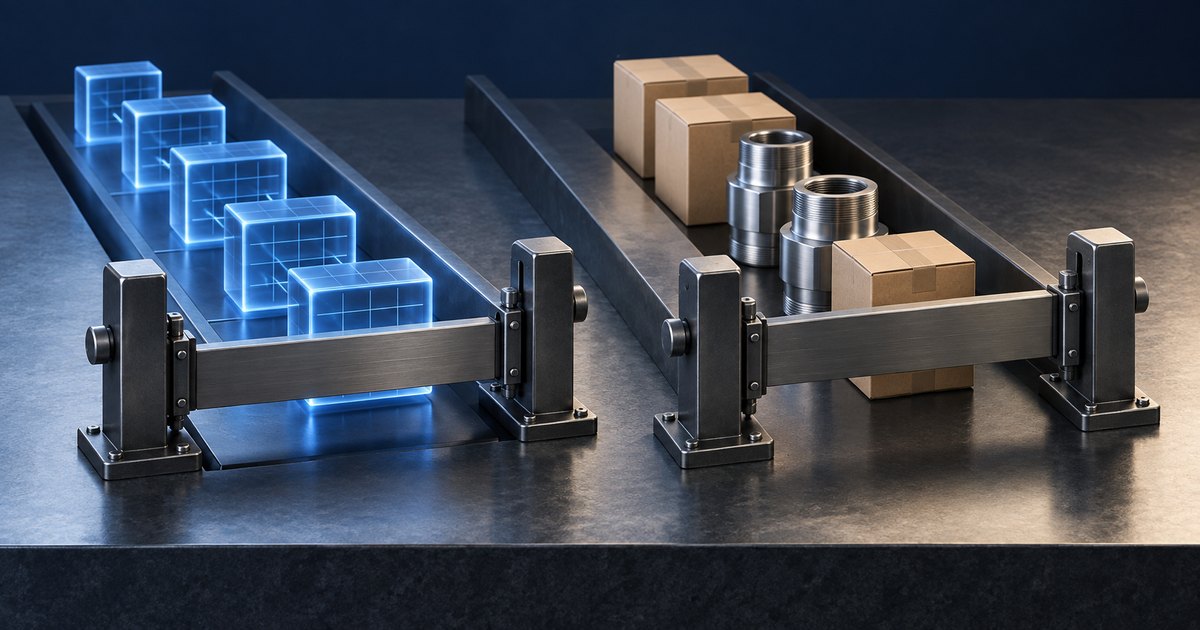
DoubleZero Edge operates a permissionless market for Solana shreds—the small data pieces that validators produce when creating blocks. When a Solana validator produces a block, that block gets broken into small pieces called shreds, which are then distributed across the network. Validators can monetize their block production data on the platform, which entered public beta in April 2026.
The latency gains are material. DoubleZero Edge's private fiber network delivers improvements of 6 to 28 milliseconds over conventional internet routing for Solana block data. For traders, that speed matters. As one analyst noted, "The goal is straightforward: get market data to traders faster by cutting out the latency tax that comes with routing through the public internet."
Institutional signal, but concentration risk
Coinbase's involvement carries weight. The exchange has been referencing DoubleZero integration in its validator reports since 2025, with more recent mentions appearing in May 2026. When the largest US-listed crypto exchange validates a piece of infrastructure by using it for its own operations, it sends a signal that the technology meets professional standards—the kind institutional players expect.
The adoption numbers back this up. Over 58% of Solana validators currently contribute data to the DoubleZero Edge network. That's substantial. But it's also a concentration risk. An outage or performance degradation on a single layer touching more than half the validator set could ripple across the entire network, creating a single point of failure that didn't exist before. The speed gains come with a trade-off: centralization of infrastructure where decentralization once existed.
Frequently asked questions
What is DoubleZero Edge and how does it work?
DoubleZero Edge is a high-performance data distribution layer that delivers Solana block data over a private global fiber network. When Solana validators produce blocks, those blocks are broken into small pieces called shreds, which DoubleZero Edge distributes to participants who monetize their block production data on a permissionless market.
How much faster is DoubleZero Edge compared to regular internet?
DoubleZero Edge's private fiber network delivers improvements of 6 to 28 milliseconds over conventional internet routing for Solana block data. This latency reduction helps traders access market data faster and reduces the speed disadvantage of routing through public infrastructure.
Why is Coinbase's participation significant?
Coinbase is the largest US-listed crypto exchange. When an institution of that scale validates a piece of infrastructure by using it for its own operations, it signals to other institutions that the technology meets professional-grade standards similar to traditional financial exchanges.
What centralization risks does DoubleZero Edge create?
Over 58% of Solana validators currently contribute data to DoubleZero Edge. This concentration on a single infrastructure layer raises questions about systemic risk—an outage or performance degradation could have outsized impact on Solana's validator network because so many participants depend on it.