Coins.ph halts self-custody wallet transfers, citing Philippine Travel Rule
In brief
- Coins.ph no longer supports deposits from or withdrawals to self-custody wallets.
- External transfers are limited to accounts on other regulated exchanges.
- The policy took effect November 19, 2026, with an update on November 21.
- Coins.ph cites the BSP Travel Rule under Circular 1108 as its reason.
- Counterparty details are required for every transfer, with no minimum amount.
Why Coins.ph says it's doing this
Coins.ph says it's complying with the BSP Travel Rule, as set out in Circular 1108. That's the company's stated reason. Crypto Briefing reported that the wider regulatory push comes from concerns about money laundering and terrorist financing, and that the BSP has been tightening compliance requirements for virtual asset service providers.
What changed for users
Under the new rules, the platform no longer supports deposits from or withdrawals to self-custody wallets. Those wallets had been a popular option among Coins.ph users, according to Crypto Briefing, which puts the platform at approximately 18.6 million users.
Every transfer now requires the counterparty's full name, wallet address, platform or exchange, wallet type and the purpose of the transaction.
There's no minimum threshold, so a transfer worth a few pesos gets the same treatment as a large one. Deposits from non-compliant sources are sent back (minus network fees), and withdrawals to non-compliant wallets simply fail.
The cost of an extra hop
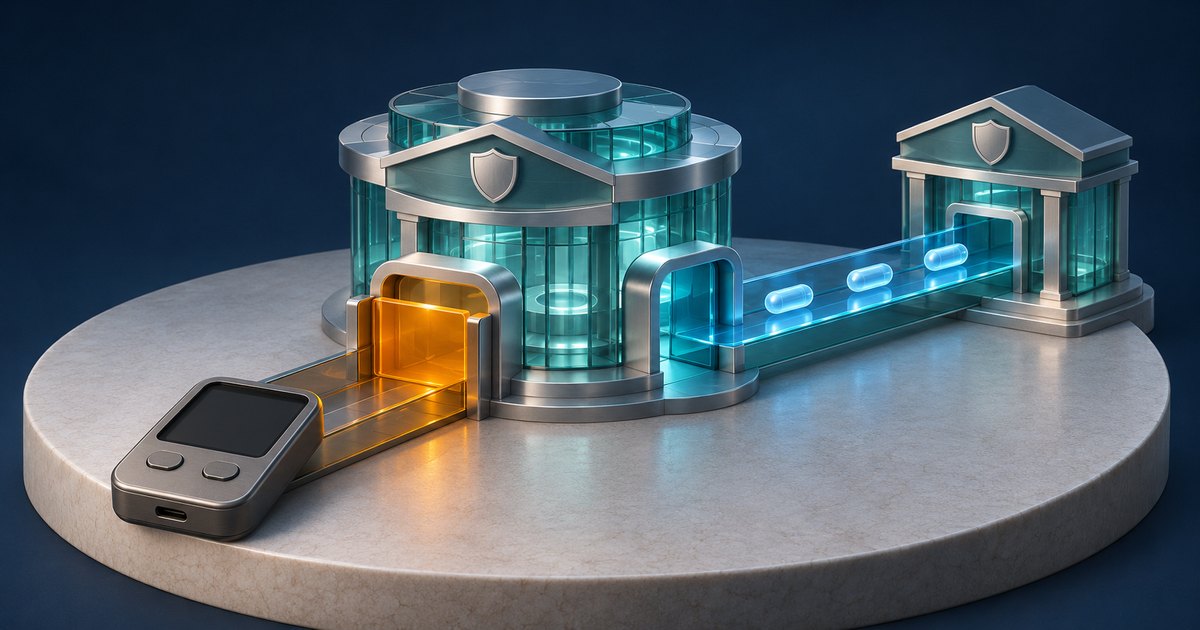
Anyone holding assets in a self-custody wallet now has to route them through a compliant exchange before moving them onto Coins.ph. The same applies in reverse. Crypto Briefing noted that each extra hop can mean another network fee, and a returned deposit already loses network fees on the way back.
This isn't the platform's first step back from web3 features. Coins.ph had previously shut down its dedicated Web3 wallet feature, according to the outlet.
The remittance side hasn't changed. Coins.ph markets itself as an all-in-one e-wallet for cash and crypto built for Filipinos, and its remittance product lets users abroad convert their local currency to USDT, then to pesos, and send the funds to family in the Philippines. That product still works within the platform's walls (only the route to and from personal wallets has been closed).
Frequently asked questions
Why did Coins.ph stop transfers to self-custody wallets?
Coins.ph says it is complying with the Bangko Sentral ng Pilipinas (BSP) Travel Rule set out in Circular 1108. Crypto Briefing reported that the wider regulatory push comes from concerns about money laundering and terrorist financing, and that the BSP has tightened compliance requirements for virtual asset service providers.
What information do Coins.ph users have to give for a crypto transfer?
For each transfer, users must provide the counterparty's full name, wallet address, platform or exchange, wallet type and the purpose of the transaction. The requirements apply to every transfer, with no minimum threshold.
What happens to deposits from non-compliant wallets on Coins.ph?
Deposits from non-compliant sources are sent back minus network fees, and withdrawals to non-compliant wallets fail. Users holding assets in self-custody wallets have to route them through a compliant exchange first, and Crypto Briefing noted that each extra hop can add another network fee.