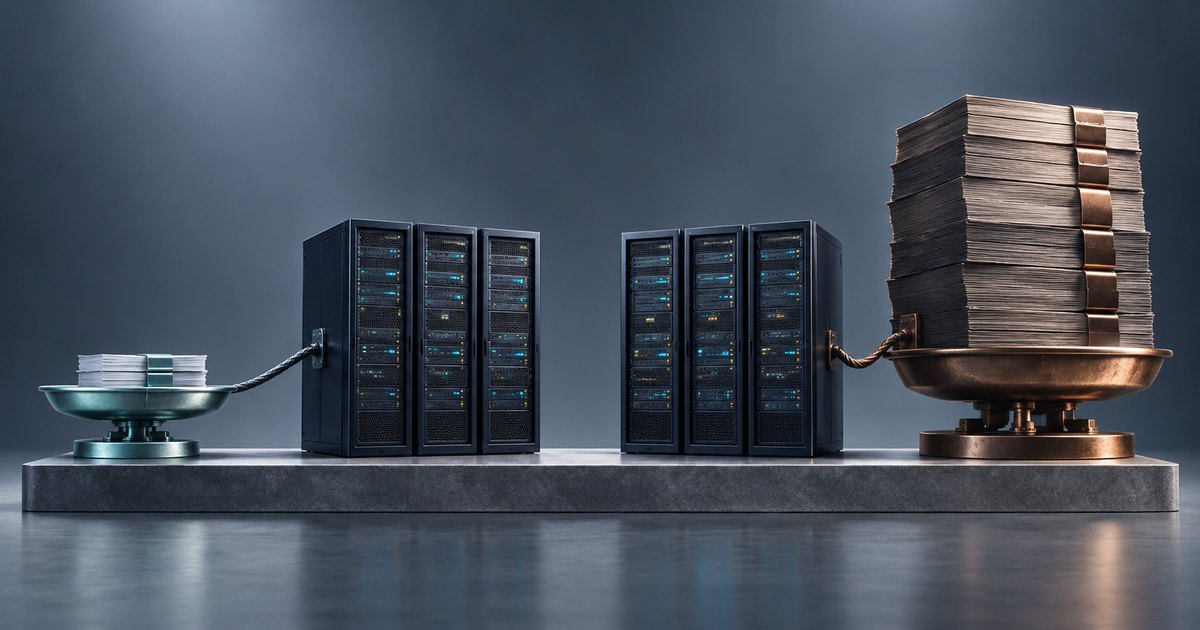
CoreWeave CEO favors AI buildout over buying back bonds yielding above 15%
In brief
- CoreWeave CEO Michael Intrator told CNBC on Nov. 11, 2026 that investing capital beats repurchasing its high-yield bonds.
- CoreWeave's unsecured bonds yield roughly 15-16%, which Crypto Briefing called distressed trading conditions.
- CoreWeave's Q3 2026 revenue reached about $3.7 billion, up 168% year over year.
- Intrator projects about $9 billion in customer prepayments over the next three months.
- Intrator canceled his Rule 10b5-1 stock trading plan, according to Crypto Briefing.
Why Intrator isn't buying back the bonds
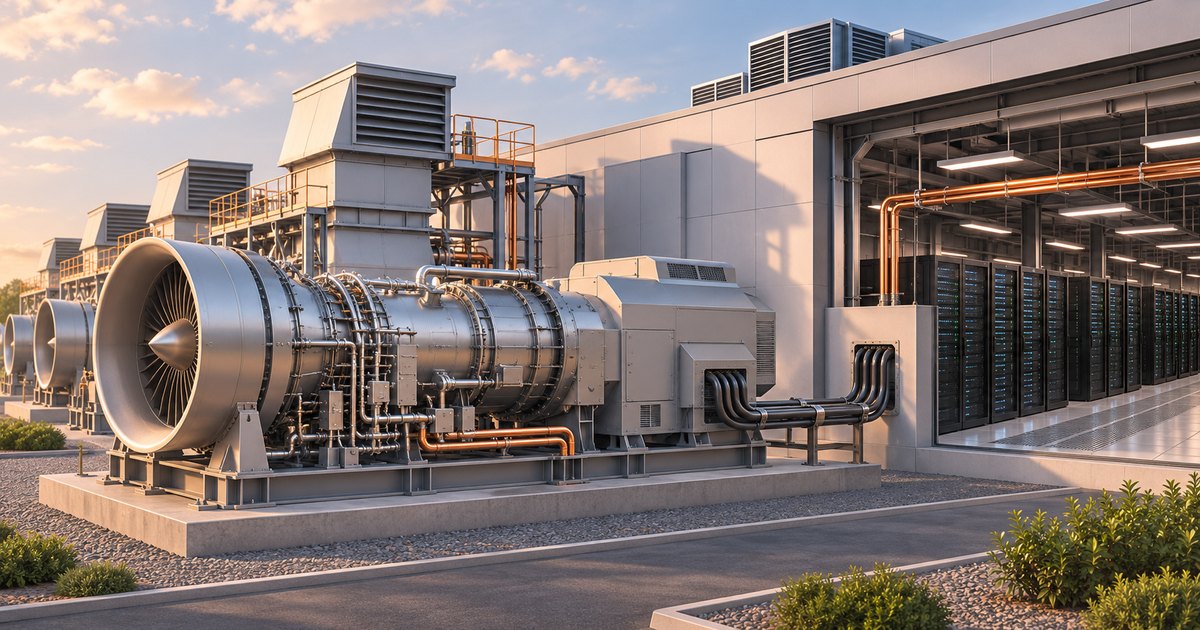
CoreWeave provides cloud computing built on Nvidia GPUs, and its customers include Microsoft and OpenAI, according to Crypto Briefing.
That's where Intrator wants the capital going.
Crypto Briefing put the yield on CoreWeave's unsecured bonds at roughly 15-16%, a level the outlet said reflects distressed trading conditions. Intrator's argument (as relayed by Crypto Briefing) is that the company's own infrastructure buildout clears a higher return hurdle than those yields do.
The latest numbers are the backdrop. CoreWeave reported Q3 2026 revenue of approximately $3.7 billion, up 168% year over year, and raised its 2026 capital expenditure guidance to between $37 billion and $39 billion, according to the results relayed by Crypto Briefing.
Where the cash is coming from
Intrator said on CNBC that CoreWeave's cost of capital has fallen by 300 basis points over the past year. Crypto Briefing's reading is that the cheaper money may be coming through CoreWeave's newer, contract-backed financing, while the unsecured bonds stay expensive.
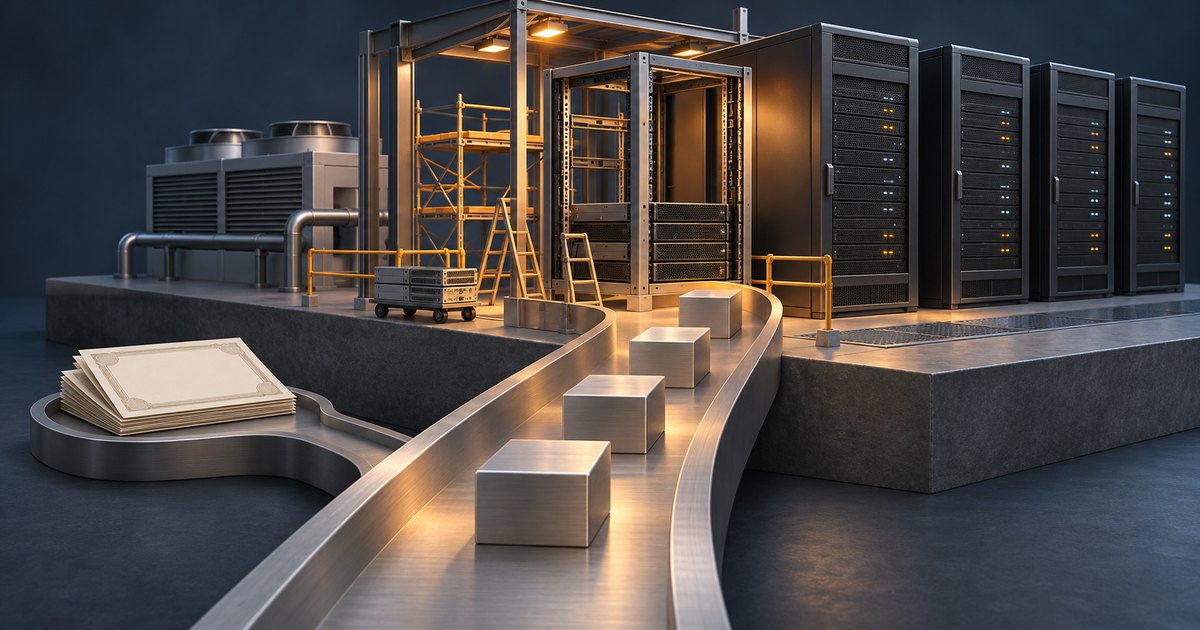
The company isn't tapping the unsecured bond market again. It's leaning on two other sources of cash instead, per the outlet.
The first is customer prepayments, and Intrator said CoreWeave projects approximately $9 billion in such arrangements over the next three months. The second is secured and delayed-draw loans tied to specific contracts (a delayed-draw loan lets a borrower pull funds in stages as needed rather than all at once). Crypto Briefing said that mix pushes more of the funding burden onto CoreWeave's clients and asset-backed lenders.
What it means for bondholders
Crypto Briefing said unsecured bondholders can't count on buyback support, so the bonds will need to recover on the strength of CoreWeave's operations.
Then there's the trading plan.
A Rule 10b5-1 plan is a prearranged schedule that lets corporate insiders buy or sell shares at set times. Intrator canceled his amid growing scrutiny of CoreWeave's debt and capital spending, according to Crypto Briefing, which noted the cancellation doesn't by itself indicate anything about his future trading intentions.
Frequently asked questions
Why isn't CoreWeave buying back its high-yield bonds?
CEO Michael Intrator said on CNBC on November 11, 2026 that CoreWeave can earn more by investing its capital than by repurchasing the bonds. His argument, as relayed by Crypto Briefing, is that the company's infrastructure buildout clears a higher return hurdle than the roughly 15-16% bond yields.
How is CoreWeave funding its buildout without new unsecured bonds?
CoreWeave is relying on customer prepayments and on secured and delayed-draw loans tied to specific contracts. Intrator said the company projects approximately $9 billion in prepayment arrangements over the next three months.
What is a delayed-draw loan?
A delayed-draw loan lets a borrower draw funds in stages as needed rather than taking the whole amount at once. CoreWeave's version is tied to specific contracts, according to Crypto Briefing.
What is the Rule 10b5-1 plan Intrator canceled?
A Rule 10b5-1 plan is a prearranged schedule that lets corporate insiders buy or sell shares at set times. Crypto Briefing reported that Intrator canceled his plan and noted the move doesn't by itself indicate his future trading intentions.