Danmarks Nationalbank raises rates to 2.10%, matching ECB hike
In brief
- Danmarks Nationalbank raised rates 25 bps to 2.10%, matching ECB's September 10 hike
- Second rate increase in 2026; June hike lifted rates to 1.85%
- Denmark's fixed euro peg imports eurozone monetary policy decisions
- Danske Bank raised fixed-rate mortgage yields by 10-25 basis points
- New rates effective September 11; lending rate now 2.25%
Matching the ECB's Move
The European Central Bank hiked rates by 25 basis points to 2.50% on the same day as Danmarks Nationalbank's increase. The alignment wasn't coincidental — it reflects Denmark's structural position in the eurozone financial system. Its primary mandate is defending the fixed exchange rate peg between the Danish krone and the euro, a policy framework that has been in place for decades.
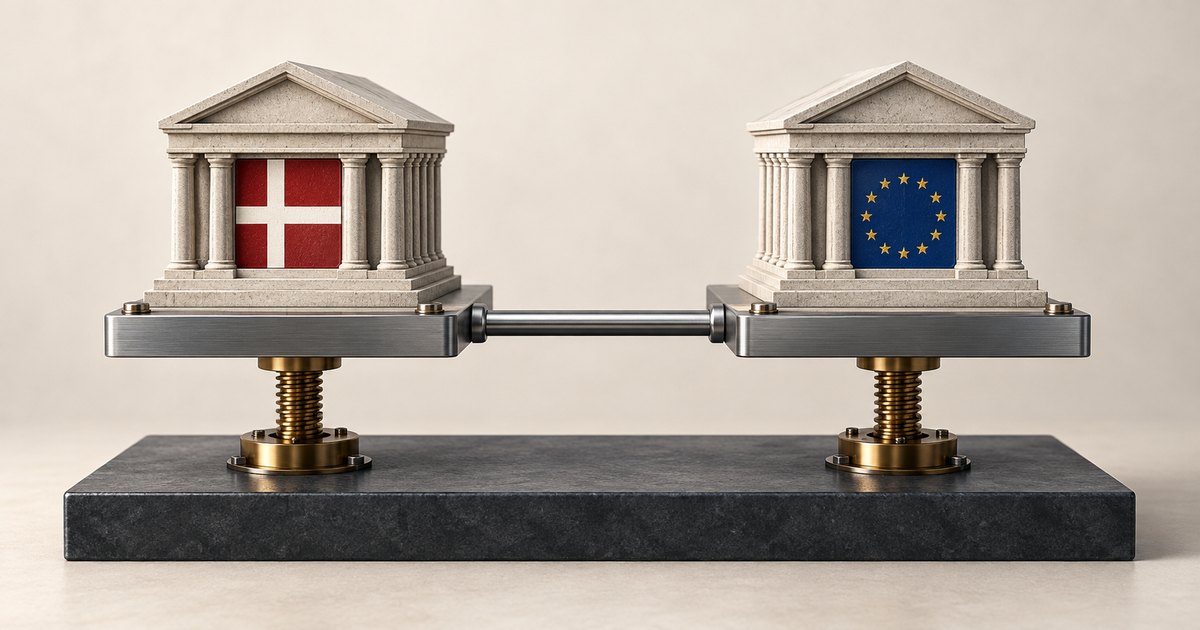
Denmark's monetary independence is constrained by this peg. This kind of mechanical linkage means Denmark effectively imports its monetary policy from the eurozone, even though it never adopted the euro. When the ECB moves, Danmarks Nationalbank must follow to maintain the currency anchor.
Currency Pressures and Capital Flows
The rate hike came against a backdrop of shifting capital dynamics. In August, Danmarks Nationalbank observed net capital inflows into the krone, creating upward pressure on the currency. Raising rates in lockstep with the ECB helps maintain the interest rate differential that keeps capital flows balanced and the peg intact.
The impact rippled through Denmark's financial system immediately. Danske Bank raised its fixed-rate mortgage yields by 10 to 25 basis points in response to the policy change, a direct pass-through to borrowing costs for households and businesses.
Implementation and Context
The new rates took effect September 11, with the lending rate climbing to 2.25% while the discount rate held steady at 2.10%. What distinguishes Denmark's inflation picture is that Denmark's domestic inflation has remained relatively low compared to the broader eurozone, yet it still must hike rates to defend its currency peg. This illustrates the trade-off: monetary autonomy sacrificed for currency stability.