DBS adds direct USDC access and JPMorgan deposit link after record Q3 fees
In brief
- DBS transaction services fees hit a record S$268 million (about $208 million) in Q3, up 8%.
- Circle's USDC stablecoin is now available directly from DBS to eligible companies.
- JPMorgan tokenized deposit link with DBS moves dollars between Singapore and US accounts, weekends included.
- Shareholder payoff depends on whether treasurers come back, according to Cointelegraph's analysis.
- MAS issued S$100 million of bills settled in wholesale CBDC, with DBS as a dealer.
A record quarter before the new deals
DBS's transaction services unit posted a record S$268 million in third-quarter fees, up 8% year on year (Cointelegraph put the figure at $208 million in US dollar terms). That number came in before either of the bank's November deals.
The new products didn't produce it.
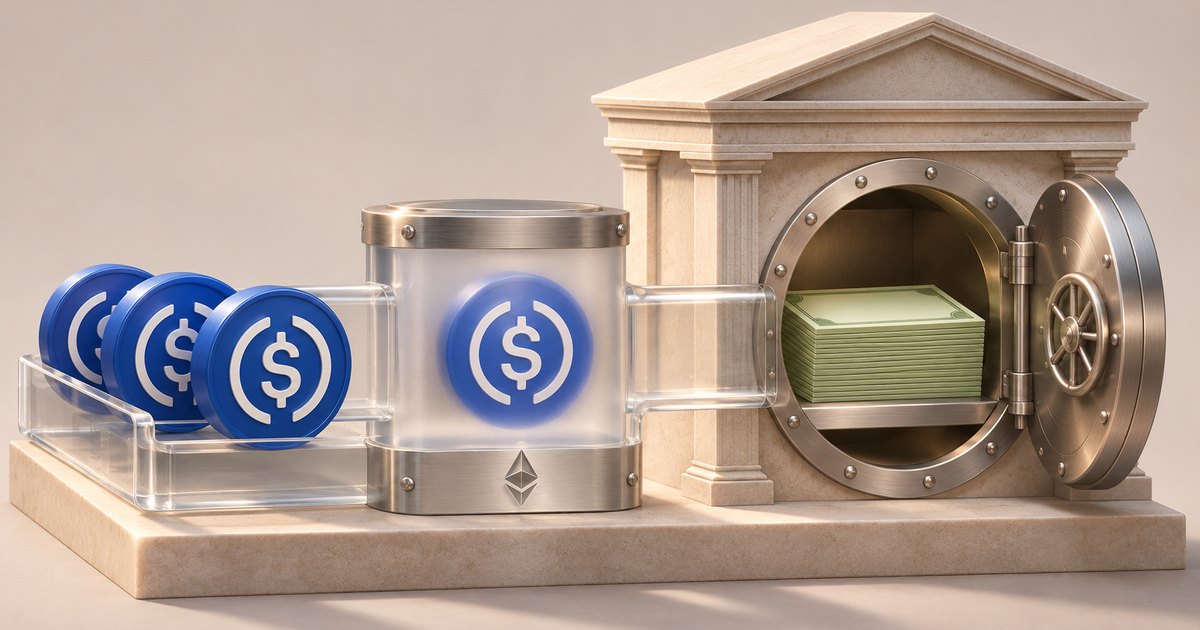
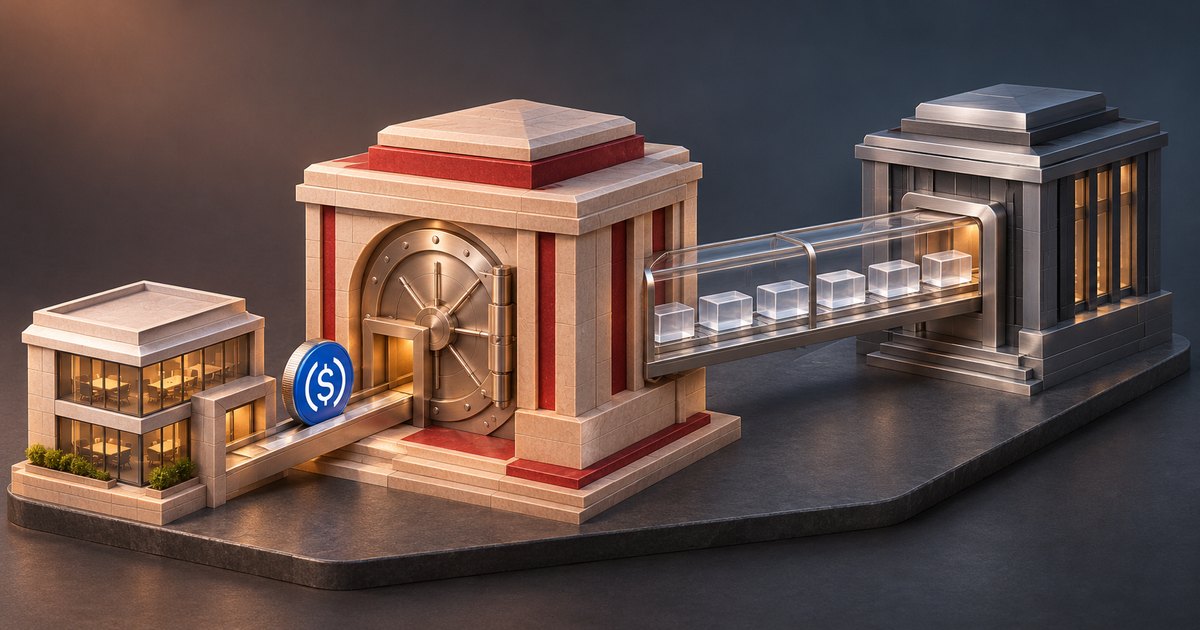
The first deal is simple on paper: an eligible company can now get Circle's USDC directly from DBS. The second is a tokenized deposit link with JPMorgan that can move dollars between a company's Singapore and US accounts, and it's built to work on weekends too.
Losing the deposit, keeping the client
Cointelegraph's analysis frames the trade-off plainly. The USDC service gives DBS a conversion option that a client might otherwise take to a crypto exchange. The catch is what happens once the conversion is done.
Once the company holds USDC, its treasurer can pay the next invoice without involving DBS.
That's the deposit walking out the door. In Cointelegraph's view, the payoff for shareholders depends on how often that treasurer comes back, what DBS earns when money moves, and how much operating cash companies keep on deposit.
It's a bet, in other words, and Cointelegraph's read is that DBS is wagering it can lose the deposit without losing the relationship. The bank's results don't yet show whether that works, since the record fee quarter predates both deals.
MAS runs its own tokenized test
DBS is also showing up on the public side of Singapore's tokenization push. The Monetary Authority of Singapore issued S$100 million ($77.6 million) of four-week bills on Nov. 6, with dealers paying in wholesale Singapore dollar central bank digital currency. DBS took part as a securities dealer.
MAS plans to expand those trials in 2027 to explore how institutions can use the bills as collateral, according to the report. For a bank that's now selling stablecoin access, tokenized deposits and dealer services on a CBDC-settled bill, the common thread is clear enough: DBS wants to be on the rail when client money moves, even if it isn't sitting in a DBS account.
Frequently asked questions
What new stablecoin service does DBS offer companies?
Eligible companies can now get Circle's USDC stablecoin directly from DBS, according to Cointelegraph. Cointelegraph's analysis says this gives the bank a conversion option that clients might otherwise take to a crypto exchange.
Why could the USDC service cost DBS deposits?
Once a company holds USDC, its treasurer can pay the next invoice without involving DBS. Cointelegraph's analysis says the shareholder payoff depends on how often treasurers return, what DBS earns when money moves, and how much operating cash companies keep on deposit.