EIP-8141 Frames: Pay Ethereum Gas in Any Token or Get Sponsored

In brief
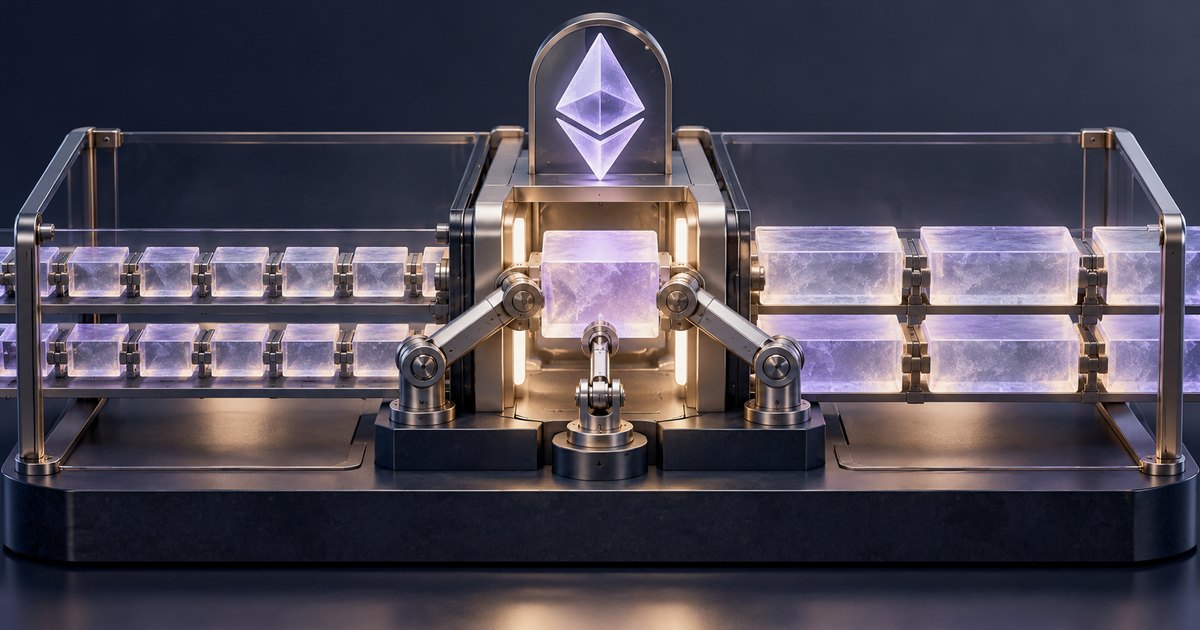
- EIP-8141 Frames replaces fixed transaction shape with up to 64 frames, each an ordinary contract call.
- Users pay fees in ERC-20 tokens or have applications sponsor transactions entirely.
- Frames enables key rotation and quantum-resistant cryptography, unlinking accounts from ECDSA keys.
How Frames Would Work
EIP-8141 replaces the fixed shape of an Ethereum transaction with a sequence of up to 64 frames, each an ordinary contract call. This design lets a wallet that only holds stablecoins transact by paying fees in ERC-20 tokens, or an application could sponsor its users outright.
Similar functionality has existed since 2023 through ERC-4337, but only by routing transactions through a separate mempool and paying third-party bundlers. Frames runs in Ethereum's public mempool with rules written into the protocol that let nodes reason about a transaction's validation steps before accepting it. That integration cuts out the intermediary.
Additional Benefits Beyond Fee Flexibility
Frames allows several actions to be grouped so they succeed or fail together, ending dangling token approvals left behind when a swap reverts. It also unlinks accounts from the ECDSA keys that control them, making key rotation possible for the first time.
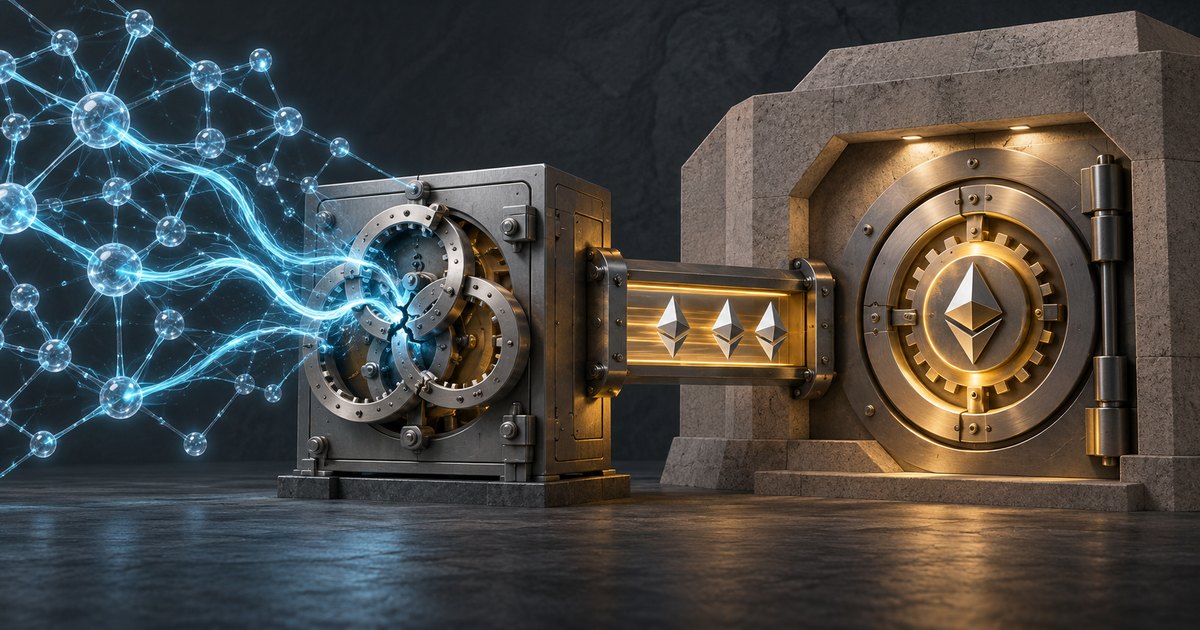
The quantum angle matters. The authors of Frames describe it as a native off-ramp from elliptic-curve cryptography ahead of the arrival of quantum computers capable of breaking it. Co-author Matt Garnett notes that post-quantum signatures run to several kilobytes each, forcing the network toward signature aggregation.
The ethrex client ran a testnet pairing Frames with FOCIL, the censorship-resistance mechanism, to let privacy protocols operate without relayers. Garnett's view is clear: Frames should be the last transaction type needed.
"A lot of important progress on Frames (EIP-8141) has been quietly happening over the last few months." — Vitalik Buterin, Ethereum co-founder