Eric Schmidt calls a mutual US-China pause in AI development unworkable
In brief
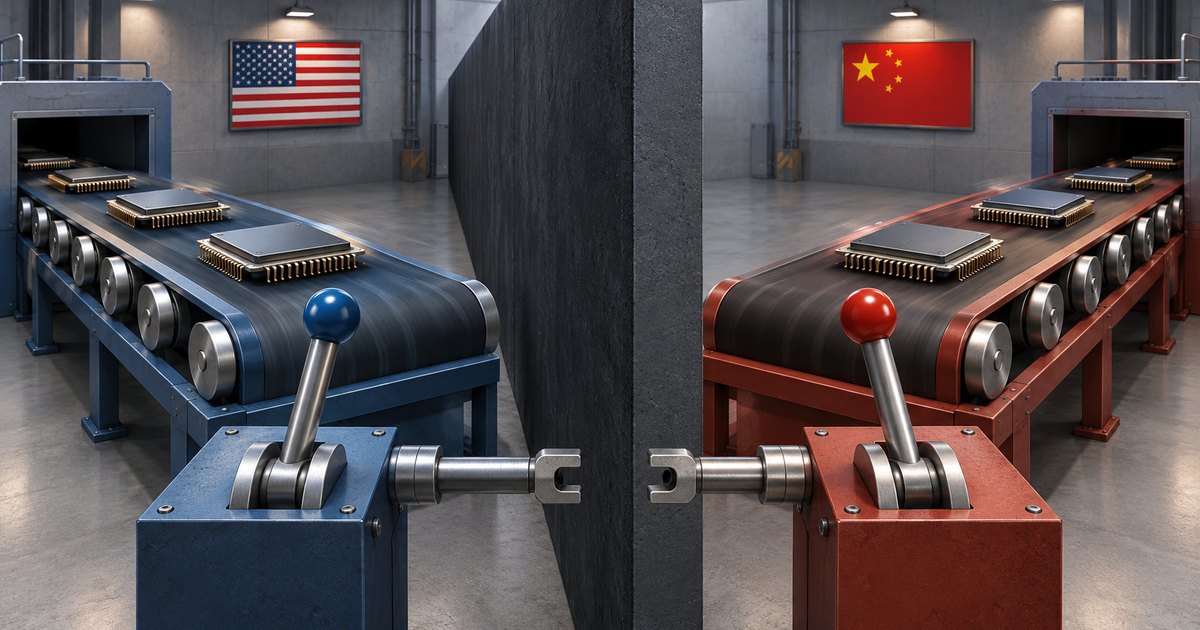
- Eric Schmidt called a mutual US-China AI pause unworkable in a September 2026 Economist interview.
- His two reasons: US incentives to build faster and no reliable way to verify a halt.
- Older AI models supervising newer ones was an oversight idea Schmidt floated.
- Bilateral US-China treaties built around a "no surprises" rule are what Schmidt called for.
Why Schmidt says a pause won't work
Schmidt's remarks come from Crypto Briefing's report on the interview. LeoDex News didn't review the original Economist piece. The first obstacle Schmidt described is structural: American companies, investors and institutions are built to reward continuous development, and he sees no way for them to stop voluntarily.
Schmidt put it bluntly in the interview:
“We’re not going to do a pause…how do you verify it?”
The second obstacle is verification. According to the report, frontier AI models are trained on computing hardware inside private facilities, and Schmidt's point is that labs can cheat and outsiders would have a hard time proving it.
That's the core of his argument.
Oversight and treaties instead
Instead of a pause, Schmidt raised the idea of older AI models supervising newer ones. He suggested the overseeing models might be four months older than the system being watched (depending on whether the approach proves effective). It's an idea he raised in an interview, not a policy that's already under way.
He also called for initial bilateral US-China treaties built around a "no surprises" rule, the report said. The rule would aim to head off operational mishaps when AI systems are deployed. Broader cyber norms would follow once that foundation is in place.
Schmidt framed the competition itself as a way to establish a dominant model that can help contain the risks tied to emerging technologies. He also said he's concerned about AI's effect on everyday life.
A split industry
Schmidt's position isn't new. He's opposed slowdowns that could hand China an advantage since at least 2023, according to the report. The wider AI industry remains split. One camp backs safety-driven slowdowns, and the other argues that any pause would simply let China pull ahead of the US.
Crypto Briefing also reported that an upcoming summit between Chinese President Xi Jinping and Donald Trump could put competitive AI strategy on the agenda.
Frequently asked questions
Why does Eric Schmidt think a US-China pause in AI development won't work?
In a September 2026 interview with The Economist, as reported by Crypto Briefing, Schmidt gave two reasons. US incentives reward building faster, and nobody has a reliable way to confirm that the other side has stopped. He said labs can cheat and outsiders would have a hard time proving it.
What did Schmidt propose instead of an AI pause?
Schmidt raised the idea of older AI models supervising newer ones, possibly models four months older than the system being watched. He also called for initial bilateral US-China treaties built around a "no surprises" rule, meant to head off operational mishaps when AI systems are deployed.