Fed rate hike prioritizes Wall Street over inflation data, economist says
In brief
- September 15-16 FOMC meeting futures price 85% odds of 25-basis-point rate hike
- Core CPI at 2.4% year-over-year exceeds Fed's 2% target but shows no dramatic elevation
- Rate increases widen net interest margins for financial institutions directly
- Fed Chair Kevin Warsh adopted hawkish stance since May 2026 appointment
The inflation picture doesn't demand action
Futures markets have priced in an 85% probability of a 25-basis-point increase at the upcoming FOMC meeting. But the data tells a more complicated story.
August core inflation came in at 0.3% month-over-month, above the 0.2% consensus. Yet on a year-over-year basis, core CPI sits at 2.4% — above the Fed's 2% target but trending in the right direction. Headline CPI stands at 3.4% year-over-year, with oil prices above $100 per barrel deserving significant blame for elevated headline figures.
The core reading is not a crisis. It's elevated, sure, but not dramatically so.
Wall Street's hand in the decision
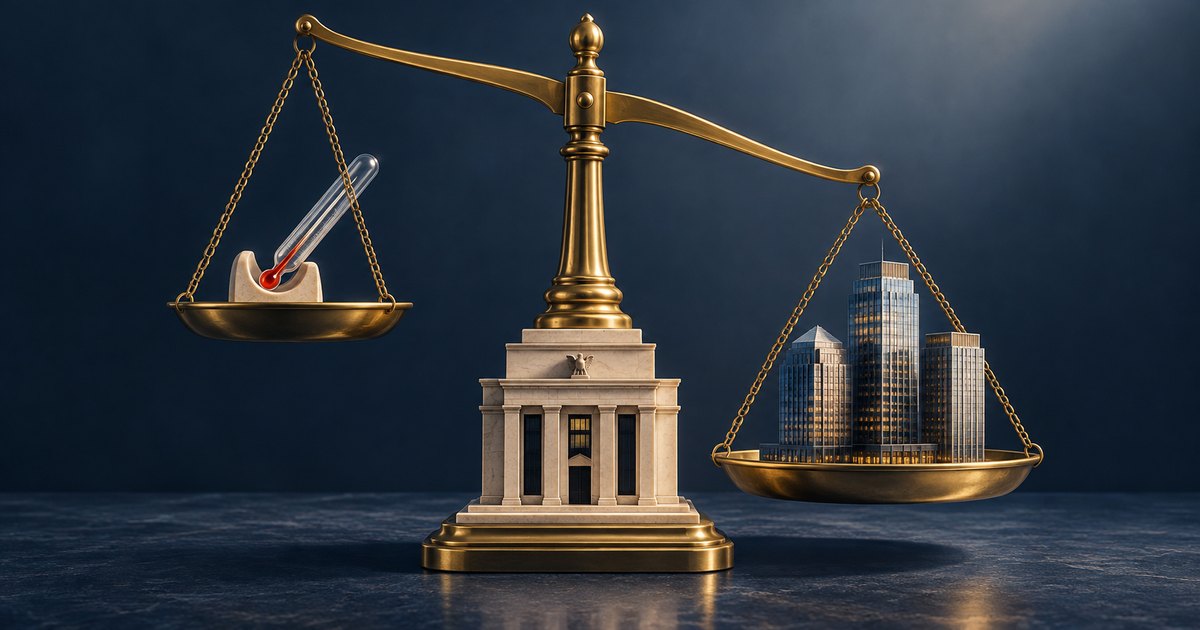
Here's where the argument gets pointed. An economist contends the hike is less about taming consumer prices and more about managing expectations on Wall Street. Financial institutions benefit directly from rate increases through wider net interest margins — a structural incentive that shapes policy conversations.
Fed Chair Kevin Warsh, who took over in May 2026 and has been notably hawkish since assuming the role, set the tone in his August 28 speech. His message: price stability requires active management.
"price stability is not self-executing" — Fed Chair Kevin Warsh, August 28 speech
Yet critics say the Fed is responding to market pressure rather than price data. The federal funds rate has held steady at 3.50%-3.75% since December 2025, so the urgency to move now is unclear from an inflation standpoint.
What markets are really watching
The Fed's updated dot plot and economic projections will carry equal or greater weight for markets than the rate hike itself. Investors want to know the Fed's path forward — how many hikes are coming, and when. Those signals matter more than the September decision alone.
A rate hike now, with core inflation at 2.4% and trending in the right direction, raises a legitimate question: who exactly is this hike for? The answer, according to critics, points toward financial institutions and market participants rather than everyday consumers struggling with price pressures.
Frequently asked questions
Why is the Fed raising rates if inflation is cooling?
Core CPI at 2.4% is above the Fed's 2% target but trending downward. Critics argue the hike serves Wall Street expectations rather than inflation data, benefiting financial institutions through wider profit margins rather than addressing consumer price pressures.
What does the Fed's dot plot mean for future rate decisions?
The updated dot plot and economic projections will carry equal or greater weight for markets than the September rate hike itself, as investors use these signals to map the Fed's path forward and anticipate additional hikes.