Google Chrome taps Gmail via Gemini to autofill order, tracking and flight details
In brief
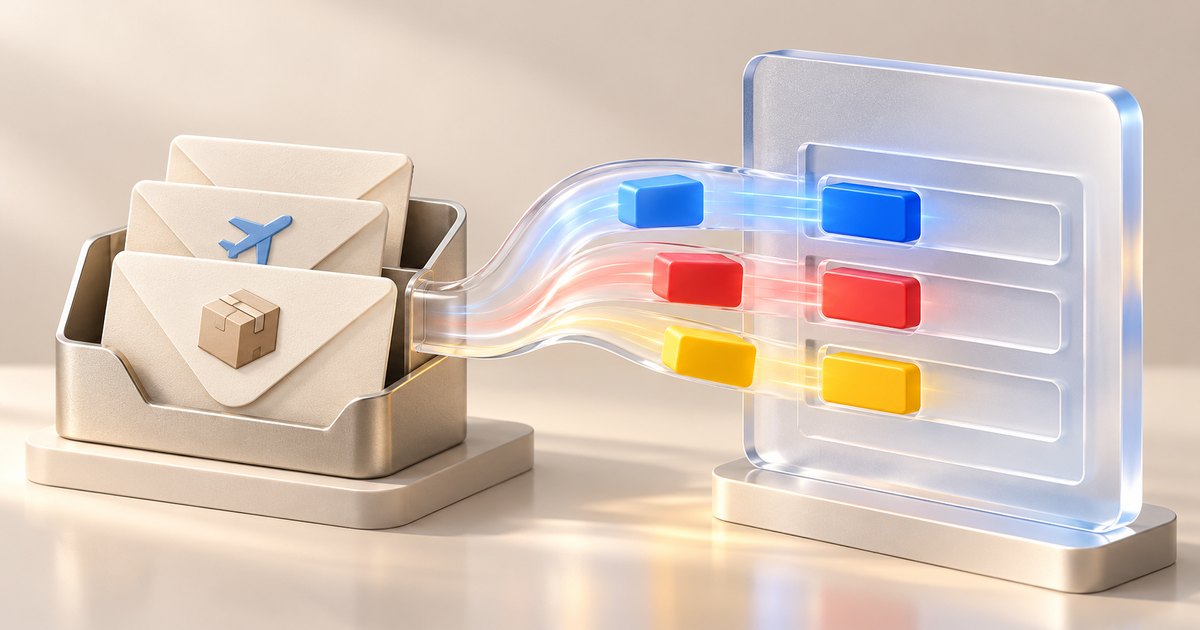
- Chrome's enhanced autofill suggests order numbers, tracking details and flight bookings pulled from Gmail.
- Gemini powers the feature through Personal Intelligence, which connects apps like Gmail and Photos.
- U.S. rollout began Wednesday on desktop, Android and iOS, with no other dates given.
- Google didn't explain how encryption applies to the Gmail content Chrome reads.
How enhanced autofill works
The feature runs on Gemini through a feature called Personal Intelligence, which lets Gemini draw on connected apps like Gmail and Google Photos. It's rolling out to Gemini in Chrome users who've turned Personal Intelligence on (desktop, Android and iOS), starting in the U.S. Google's announcement didn't give a date for other countries.
The scope is narrow.
Google's post named only three kinds of data as coming from Gmail: order numbers, tracking information and flight bookings. Credit card numbers and addresses are still filled by Chrome's standard autofill from details saved in the browser, and the announcement didn't say the new feature pulls them from the inbox. Lim said users can manage whether enhanced autofill is enabled, and what it can access, through Chrome settings.
“As always, sensitive data is encrypted and you remain in control.”
That's Google's assurance, not a verified one. The post didn't explain how encryption applies to the Gmail content Chrome reads, or what it scans.
The privacy backdrop
In March, when it began expanding Personal Intelligence to free U.S. users, Google said Gemini and AI Mode don't train directly on users' Gmail inboxes or Google Photos libraries. Users choose whether to connect their apps and can switch them off at any time, according to that post. Google does train on limited information, such as specific prompts and the model's responses.
Decrypt pointed to some recent friction too. In November, users pushed back on a Smart Features setting that let Gemini analyze emails and calendars unless they opted out (Google said its underlying data-handling practices hadn't changed). Google also revised its privacy policy effective Oct. 16, adding an exception to its pledge not to use Gmail, Drive and Photos content for ads. Google said that content isn't used for ad targeting by default and that advertisers don't get access to it.
Why the reach matters
Chrome holds about 65% of the browser market, according to Decrypt. In January, Google gave paying U.S. subscribers an AI browsing agent called auto browse, which clicks through websites and fills out forms on a user's behalf. Decrypt also reported that Chrome dropped a line from its settings saying on-device AI works without sending data to Google servers. Google said the wording change didn't reflect a change in how it handles on-device AI.
Frequently asked questions
What data does Chrome's enhanced autofill pull from Gmail?
Google's post named only order numbers, tracking information and flight bookings as coming from Gmail. Credit card numbers and addresses are filled by Chrome's standard autofill from details saved in the browser, and the announcement didn't say the new feature pulls them from the inbox.
Who can use Chrome's enhanced autofill right now?
It's rolling out to Gemini in Chrome users who have Personal Intelligence turned on, on desktop, Android and iOS, starting in the U.S. Google's announcement gave no date for other countries.
Can users turn off enhanced autofill in Chrome?
Chrome product manager Amanda Lim said users can manage whether enhanced autofill is enabled and what it can access through Chrome settings. Google's post didn't explain how encryption applies to the Gmail content Chrome reads or what it scans.