Hyundai settles $20K cross-border transfer with USDT on Avalanche

In brief
- Hyundai Motor America and Mexico completed a USDT stablecoin treasury transfer pilot on Avalanche.
- Settlement of $20,000 took seven minutes versus three to four hours for traditional banking.
- Pilot tested stablecoin integration into corporate treasury operations without changing compliance.
- Stablecoin volumes surged 81% year-over-year at Bitso Business in H1 2026, with 60% from financial institutions.
How the pilot worked
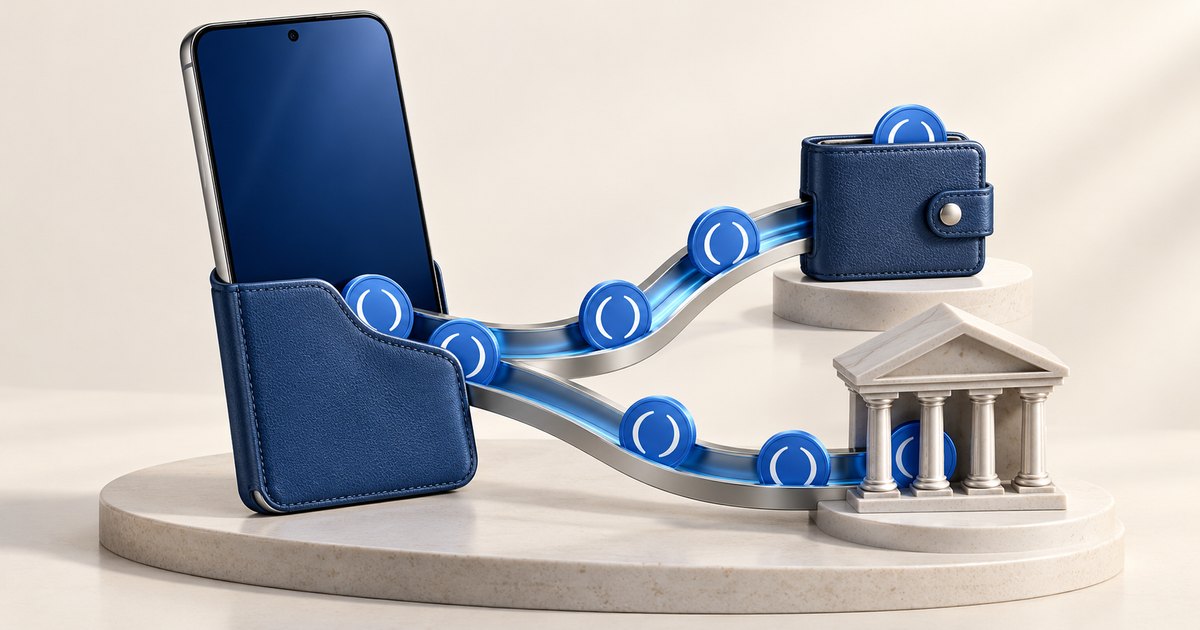
Hyundai Motor America converted funds into USDT, transferred the stablecoin to Hyundai Motor Mexico, and converted it back into US dollars. The settlement infrastructure came from Axiym, while Hyundai Card designed the remittance structure and oversaw regulatory, compliance, accounting and operational requirements.
The core objective wasn't speed alone. The pilot was designed to evaluate whether stablecoin-based settlement could be integrated into existing corporate treasury operations without changing governance, compliance or accounting processes. That distinction matters — it signals enterprise interest in stablecoins not as a speculative asset, but as a settlement layer that fits within existing corporate infrastructure.
Broader enterprise adoption
Hyundai's move aligns with accelerating stablecoin adoption in corporate finance. In April, treasury management software provider Kyriba partnered with Circle to integrate the USDC stablecoin into its enterprise treasury platform. A Bitso Business report found stablecoin transaction volumes processed on its platform increased 81% year over year in the first half of 2026, with more than 60% of new business clients onboarded during the period being financial institutions, including banks and licensed payment providers.
Survey data reinforces the trend. A June Paybis report found that 22.5% of surveyed businesses already use stablecoins for international payments or plan to within the next 12 months. On a macro level, business-to-business transactions accounted for roughly 60% of the estimated $390 billion in global stablecoin payment volume in 2025.
Market growth and next steps
Total stablecoin market capitalization has climbed to about $312.3 billion, up roughly 21.5% from $257.1 billion a year earlier. Tether's USDT remains the largest stablecoin by market value.
Hyundai's next phase will expand testing to additional payment corridors and local currency settlements. The pilot's success—completing a transaction in seven minutes without disrupting existing compliance workflows—suggests stablecoin settlement isn't just a crypto-native curiosity anymore. It's becoming a practical tool for corporate treasury teams managing multi-currency flows across regulated subsidiaries.
Frequently asked questions
Why does Hyundai's stablecoin pilot matter?
It demonstrates that major corporations can integrate stablecoin settlement into existing treasury operations without changing compliance or governance workflows. This bridges the gap between crypto infrastructure and traditional corporate finance, suggesting stablecoins are becoming practical settlement tools rather than speculative assets.
How much faster is stablecoin settlement than traditional banking?
Hyundai's pilot completed in seven minutes, versus three to four hours or more for traditional cross-border bank transfers. This speed advantage comes without requiring changes to existing corporate compliance or accounting processes.
Are other enterprises adopting stablecoins for payments?
Yes. Kyriba integrated USDC into its treasury platform in April. Bitso Business saw stablecoin volumes jump 81% year-over-year in H1 2026, with 60% of new clients being financial institutions. A June survey found 22.5% of businesses already use or plan to use stablecoins for international payments within 12 months.