IBM CEO Krishna: Quantum Computing Revenue by 2028

In brief
- IBM CEO Arvind Krishna expects quantum computing to generate measurable revenue by 2028 or 2029
- Quantum sector could represent roughly $1 trillion in economic value by end of 2030s
- IBM announced $2 billion quantum chip foundry in May, backed equally by U.S. Department of Commerce
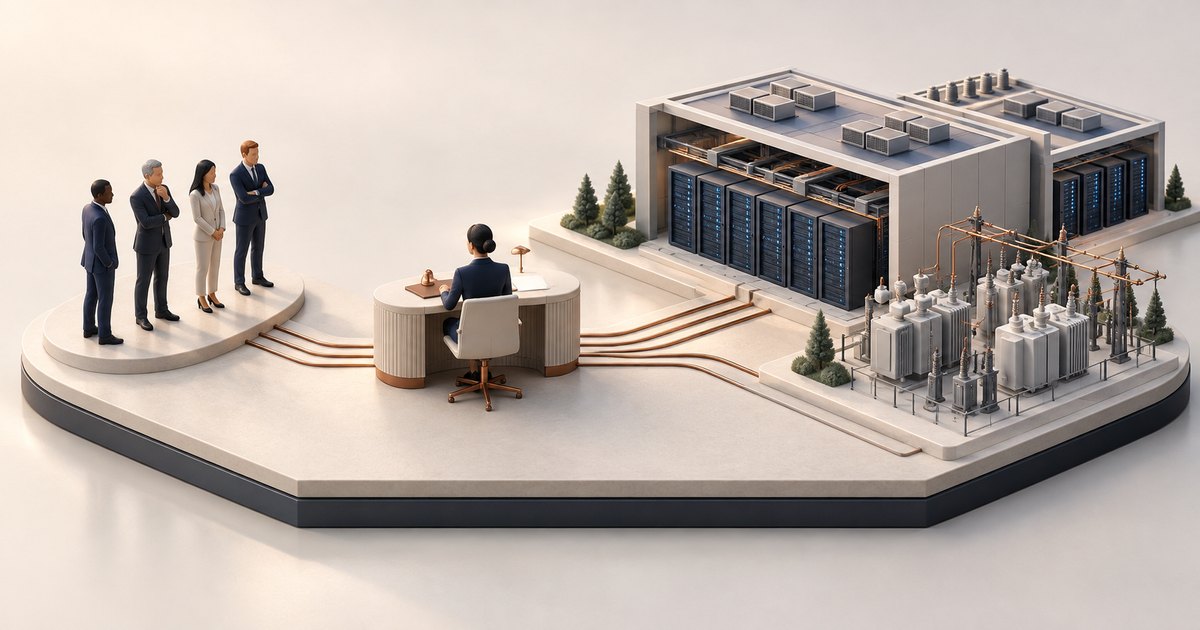
- Quantum computers require entirely different hardware than AI data centers and won't integrate into existing infrastructure
- Quantum encryption threats remain years away despite recent diversification by Bitcoin miners
The revenue timeline
Krishna expects IBM's quantum business to contribute measurable profit within the next few years. The timeline reflects accelerating investment across the sector. IBM, Alphabet, IonQ, Rigetti Computing and several startups are racing to build machines capable of solving problems that conventional computers cannot handle efficiently.
The company is backing its confidence with capital. In May, IBM announced a standalone quantum chip foundry backed by a $1 billion commitment from the U.S. Department of Commerce through the CHIPS incentive program, with IBM matching that investment. That $2 billion commitment signals serious momentum in the race to commercialize the technology.
Real-world applications emerging
IBM has already demonstrated early practical use. Krishna said IBM has used quantum computers to uncover material properties that conventional computers could not model. The applications extend beyond materials science. Researchers say the technology could accelerate molecular simulations, optimize complex logistics networks, advance materials science and improve cryptography.
Those use cases matter because they address real bottlenecks in industry. Logistics optimization alone could save billions. Molecular simulation speeds up drug discovery and materials research. The value compounds as more organizations gain access to quantum resources.
Infrastructure and security considerations
Quantum computers won't simply slot into existing AI data centers. Quantum computers require entirely different hardware and operating environments than AI data centers. That separation means parallel investment in two distinct technology stacks.
The security angle gets attention in crypto circles. Most experts say that quantum computers posing a threat to Bitcoin wallet encryption is still a long way off and developers are already working on quantum-resistant cryptography. Still, some bitcoin miners are hedging. Several publicly traded bitcoin miners, including MARA Holdings, Riot Platforms and CleanSpark, have diversified into AI and high-performance computing.
The diversification makes business sense independent of quantum risk. AI compute demand is near-term and proven. Quantum remains a longer bet.