IEM Beijing 2026: 24 Teams Compete for Slots as Vitality, Spirit Skip
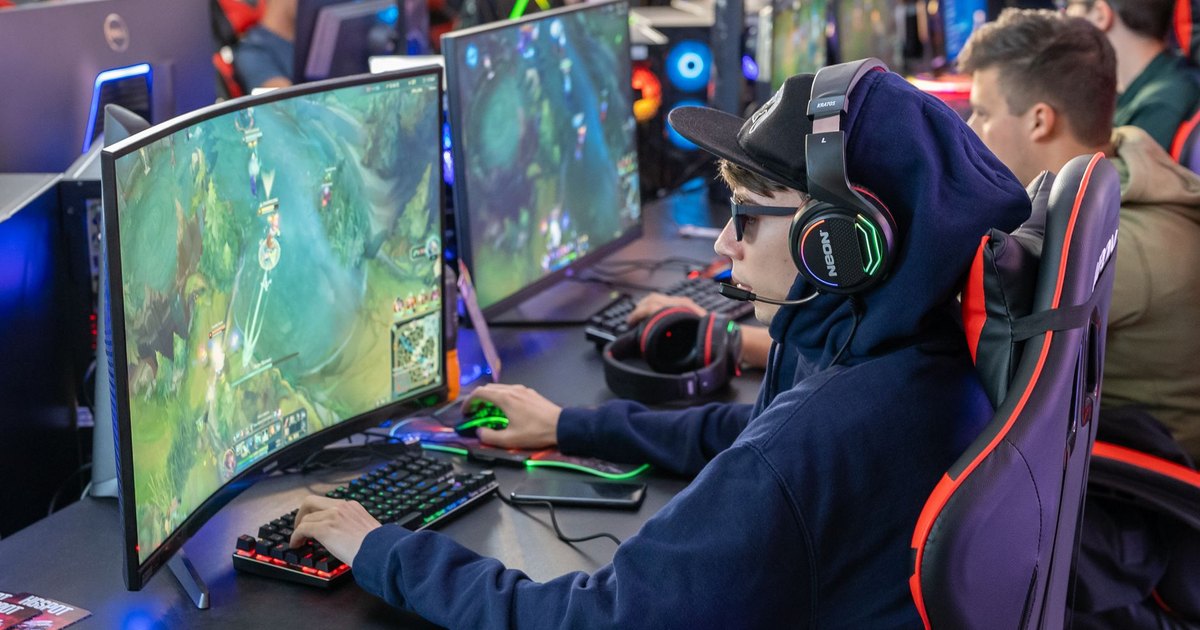
In brief
- 24 CS2 teams compete for 3 main event slots via closed qualifiers
- Global Qualifier (Sept 2–4) and Asia Qualifier determine final roster
- 13 teams invited based on Valve Regional Standings; tournament Nov 2–8
- $1.25M prize pool: $300K to players, $950K to clubs
- Vitality and Spirit skip event due to China location and geopolitical barriers
Qualifier Format and Participation
Thirteen teams have already secured direct invitations based on Valve Regional Standings data as of August 3, 2026. The remaining three slots will be decided through two separate online closed qualifiers running in early September.
The Global Qualifier is scheduled for September 2 to 4 and will feature 16 teams, while the Asia Qualifier will field 8 teams. This dual-qualifier approach ensures regional representation while concentrating the competition into a compressed timeframe ahead of the main event.
Prize Distribution and Scale
The $1.25 million prize pool reflects the tournament's prominence within the competitive CS2 calendar. However, the distribution reveals a structural imbalance: $300,000 goes directly to players, while a much larger $950,000 is allocated to the participating clubs. This weighting toward organizations underscores the professionalization of esports infrastructure, where team stability and operational costs often outweigh individual player compensation in tournament structures.
Geopolitical Barriers
The most significant story isn't the qualifier format—it's who isn't competing. Team Vitality and Team Spirit, two of the most prominent names in competitive CS2, have opted to skip IEM Beijing 2026 entirely. The reason, according to reports from the competitive scene, is the event's location in China.
This absence signals a widening gap between global esports ambitions and geopolitical reality. Major European and international organizations face visa, regulatory, and operational friction when participating in Chinese events. For a tournament with stakes this high (a major Intel Extreme Masters event), the opt-out by two tier-one rosters suggests that geography still constrains the truly global nature of competitive gaming—despite the industry's digital infrastructure.