India Tokenizes $620B Corporate Bond Market With Digital Rupee
In brief
- SEBI and RBI unveiled Demat 2.0 to tokenize corporate bonds on a permissioned ledger operated by India's statutory depositories
- Three companies raised 1,025 crore rupees ($107 million) through the framework, led by state-owned lender REC
- Atomic settlement via digital rupee delivers proceeds on bidding day; smart contracts automate interest and redemptions
- Tokenized bonds retain legal status, credit ratings, and investor protections; later phases enable secondary trading and retail access
A Private Ledger for Tokenized Bonds
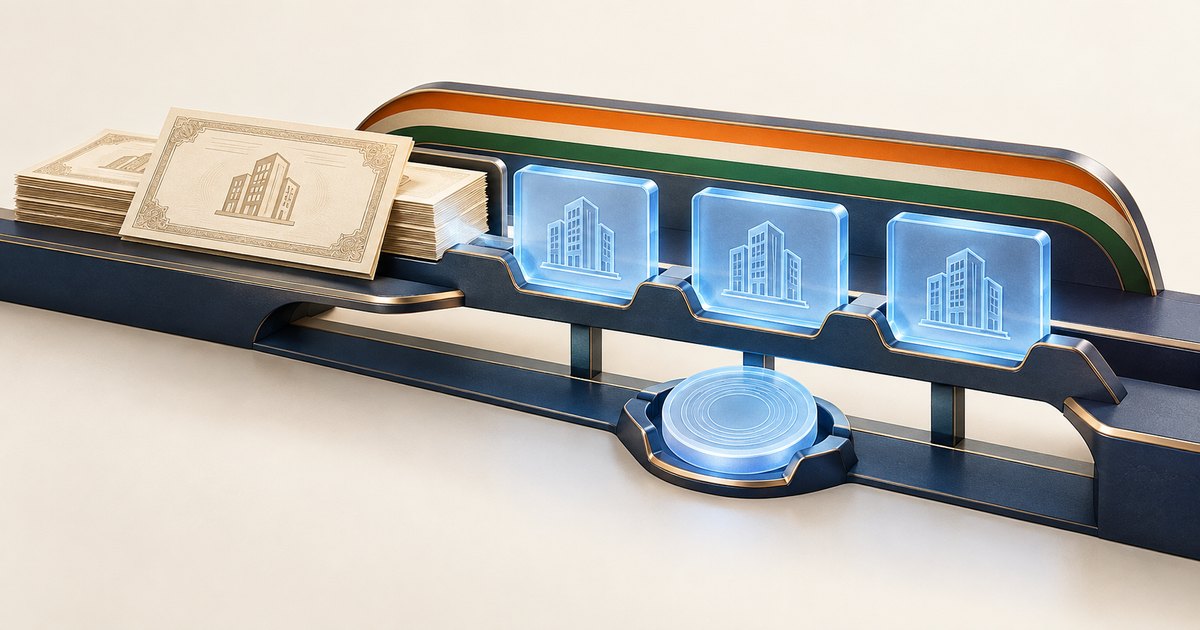
Corporate bonds are issued as native digital tokens on a private, permissioned ledger operated by India's statutory depositories, NSDL and CDSL. The system links the token ledger to the RBI's wholesale digital rupee through a Unified Market Interface, enabling atomic settlement where the bond and payment change hands simultaneously. This structure keeps the bonds legally unchanged, retaining their credit ratings, debenture trustees, listing rules and investor protections.
Investors can hold tokenized bonds in existing Demat accounts without fresh know-your-customer checks. That's a low-friction entry point into a market that's traditionally required multiple intermediaries and settlement delays.
Speed and Automation
The atomic settlement mechanism delivers real gains. Proceeds can reach issuers on the bidding day rather than days later, while smart contracts can automate interest payments and redemptions. For borrowers and lenders alike, this compresses friction out of the workflow.
State-owned lender REC went first on September 7, raising 500 crore rupees from 18 investors in what it called India's first tokenized corporate bond. Larsen & Toubro followed with another 500 crore rupees, and non-bank lender IIFL Finance raised 25 crore rupees. Combined, the three issuances totaled 1,025 crore rupees, approximately $107 million.
Retail and Secondary Markets Ahead
Later phases are set to introduce secondary trading and eventually retail access. For now, the pilot remains wholesale and permissioned. India has generally kept private cryptocurrencies at arm's length while embracing blockchain on its own terms, through its rollout of the RBI-backed digital rupee and now this tokenization framework for corporate debt.