Iran accuses US of striking Qeshm Island water facility; attribution disputed
In brief
- Iran alleges US military strike on March 7 targeted Qeshm Island desalination plant serving 30 villages
- US and Israel categorically deny involvement in the attack
- Incident raises international humanitarian law concerns over civilian water infrastructure targeting
- Qeshm Island sits in Strait of Hormuz, critical to one-fifth of global oil transit
- Persian Gulf escalation risks oil price spikes affecting crypto and broader markets
The allegation and denial
Iranian Foreign Minister Abbas Araghchi called the strike a "blatant and desperate crime" aimed at undermining civilian infrastructure. However, both the US and Israel have categorically denied involvement in the attack on the Qeshm facility. Attribution remains contested. Independent verification of the strike and identification of the responsible party have not been publicly confirmed by neutral third parties. Without clear evidence of who carried out the attack, establishing legal liability under international law remains speculative.
Legal framework and humanitarian concerns
International humanitarian law experts note that the Geneva Conventions Additional Protocol I, Article 54, explicitly prohibits attacks on resources indispensable to civilian survival. If evidence confirms the desalination plant was deliberately targeted, this could be classified as a war crime under international humanitarian law. Critically, such a classification hinges on proof of intentionality—that the attacker knowingly and deliberately targeted civilian water infrastructure. At present, no such proof has been publicly established.
Iran is facing severe drought conditions, sharply increasing the criticality of its freshwater desalination plants. The timing and context of the alleged strike, set against broader military escalation in the region, have prompted humanitarian concerns.
Geopolitical and market implications
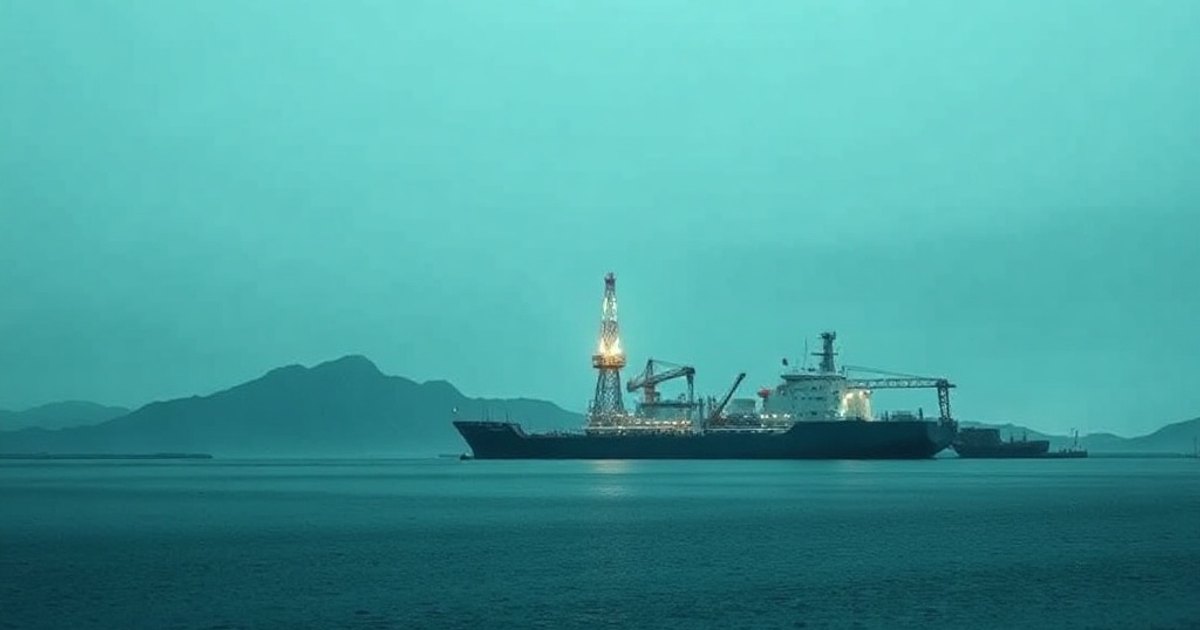
The incident arrives amid the broader escalation of the 2026 Iran conflict, in which US and Israeli military operations have targeted various Iranian installations. Qeshm Island sits in the middle of the Strait of Hormuz, a critical chokepoint in global energy markets. Roughly one-fifth of the world's oil supply passes through this narrow waterway.
Iranian officials have warned of possible retaliatory actions. Retaliation in the Strait of Hormuz, whether through military strikes, naval operations, or disruption of shipping lanes, would represent a significant escalation with immediate market consequences. If hostilities intensify, sustained oil price increases could trigger inflationary pressure and central bank responses that ripple into crypto valuations and broader financial markets.