Iran closes Strait of Hormuz, adopts Bitcoin for shipping tolls
In brief
- Iran closed the Strait of Hormuz and conducted retaliatory missile attacks on US military facilities in May-June 2026.
- Iranian government required Bitcoin payments for transit tolls and shipping insurance through the strategic waterway.
- Bitcoin dipped below $80,000 on May 26 amid escalating geopolitical tensions and conflicting price pressures.
- US Treasury froze approximately $344 million in cryptocurrency tied to Iran's toll collection scheme.
- De-escalation talks in Qatar show cautiously optimistic signals, though situation remains fluid.
The escalation
Iran's military response included strikes on US installations in Hormozgan province. The Pentagon characterized subsequent American strikes on Iranian missile sites and drone installations as self-defense measures. Iran claimed to have struck the US Fifth Fleet headquarters in Bahrain and the Al-Azraq Air Base, though independent verification remains limited.
The waterway itself became a chokepoint. Iran tightened restrictions on the Strait of Hormuz during March and April 2026, significantly reducing shipping traffic. The Iranian government later emphasized that the strait was not fully sealed as of June 2026, though partial closures had occurred.
Bitcoin enters the sanctions game
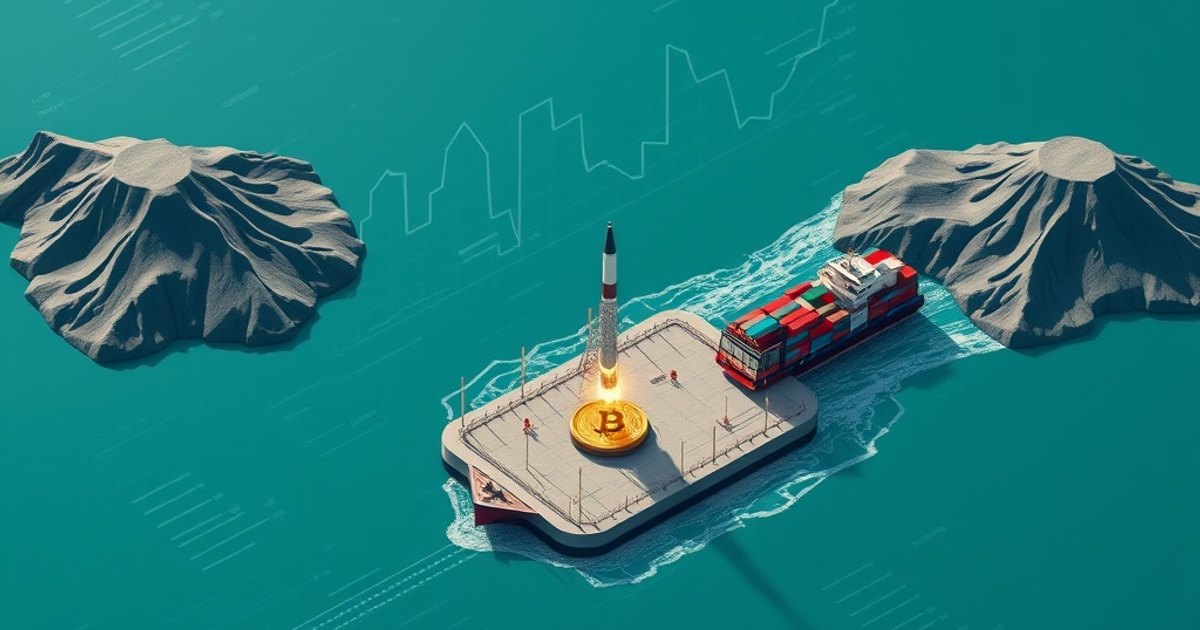
What distinguishes this conflict is Iran's explicit adoption of cryptocurrency. The Iranian government began requiring Bitcoin payments for transit tolls and shipping insurance when vessels pass through the Strait. It's a direct sanctions-evasion tactic—one that caught the attention of US authorities.
The US Treasury froze approximately $344 million in cryptocurrency linked to the Iranian government's toll collection scheme. The freeze illustrates how nation-states now weaponize digital assets, and how Western regulators respond in kind.
Bitcoin briefly dipped below $80,000 on May 26, 2026, as reports of escalating tensions emerged. The move reflected conflicting market pressures—fear-driven selling amid geopolitical risk, offset by potential safe-haven demand and sanctions-evasion flows.
What comes next
De-escalation talks in Qatar have produced some cautiously optimistic signals, but the situation remains fluid. The outcome will shape not just oil markets, but the role of cryptocurrency in state-level conflict and sanctions architecture going forward.