Iran downs second Israeli Orbiter drone near Strait of Hormuz
In brief
- Iran downed an Israeli Orbiter drone on May 24 over Hormozgan province near the Strait of Hormuz.
- Second Orbiter shot down May 30 near Qeshm Island during US-Iran diplomatic negotiations.
- Strait of Hormuz disruptions historically trigger global oil price spikes and economic ripple effects.
Drone Interceptions Escalate Regional Tensions
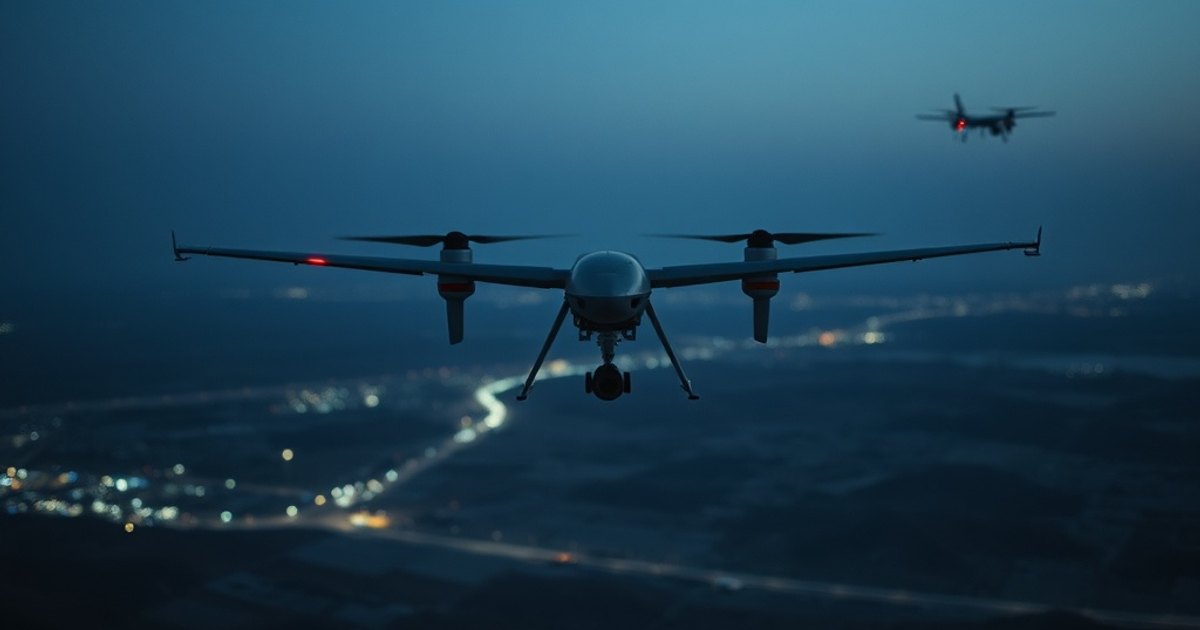
Iran's army shot down an Israeli Orbiter drone on May 24 over Hormozgan province. The drone was an Orbiter, a reconnaissance and intelligence-gathering platform manufactured by Israel's Aeronautics Group. Iranian air defense units intercepted the aircraft, and naval forces subsequently assisted in recovering wreckage from the site.
The Iranian Army labeled the drone as belonging to the "aggressor US-Zionist enemy." The Israeli Defense Forces stated they were "not familiar with the incident." Six days later, on May 30, Iran reported downing a second Orbiter drone near Qeshm Island.
The timing compounds the volatility. US forces intercepted Iranian drones near the Strait of Hormuz on May 27 and 28, suggesting that aerial operations continued even as diplomatic channels remained open. Two drone interceptions in a week, combined with US-Iran aerial engagements in the same corridor, suggests that whatever is happening at the negotiating table has not yet translated into restraint on the ground.
Energy Security at Stake
The Strait of Hormuz is the single most important bottleneck in global energy markets. Disruptions in this corridor have historically triggered oil price spikes that ripple through every corner of the global economy. Any escalation near this chokepoint carries outsized consequences for markets worldwide.
President Trump hinted at rapidly advancing diplomatic talks with Iran, signaling optimism in recent statements. Yet the back-to-back drone incidents suggest that military posturing continues even as negotiators work. The gap between diplomatic momentum and operational reality remains wide.
The next weeks will clarify whether the two sides can move from ceasefire talks to actual de-escalation. Until then, the Strait of Hormuz remains a flashpoint where miscalculation could upend global energy markets.