Kazakhstan allows crypto miners to burn excess oil-field gas for power
In brief
- President Tokayev signed July 8 decree enabling oil producers to convert associated petroleum gas into off-grid electricity for crypto mining
- Policy reduces gas flaring while providing miners cheap, stranded energy otherwise wasted at remote wells
- Miners using flare gas avoid straining national grid, removing political friction that halted earlier mining booms
- Kazakhstan became world's second-largest Bitcoin mining hub after China's 2021 ban scattered operations globally
The flare-gas model
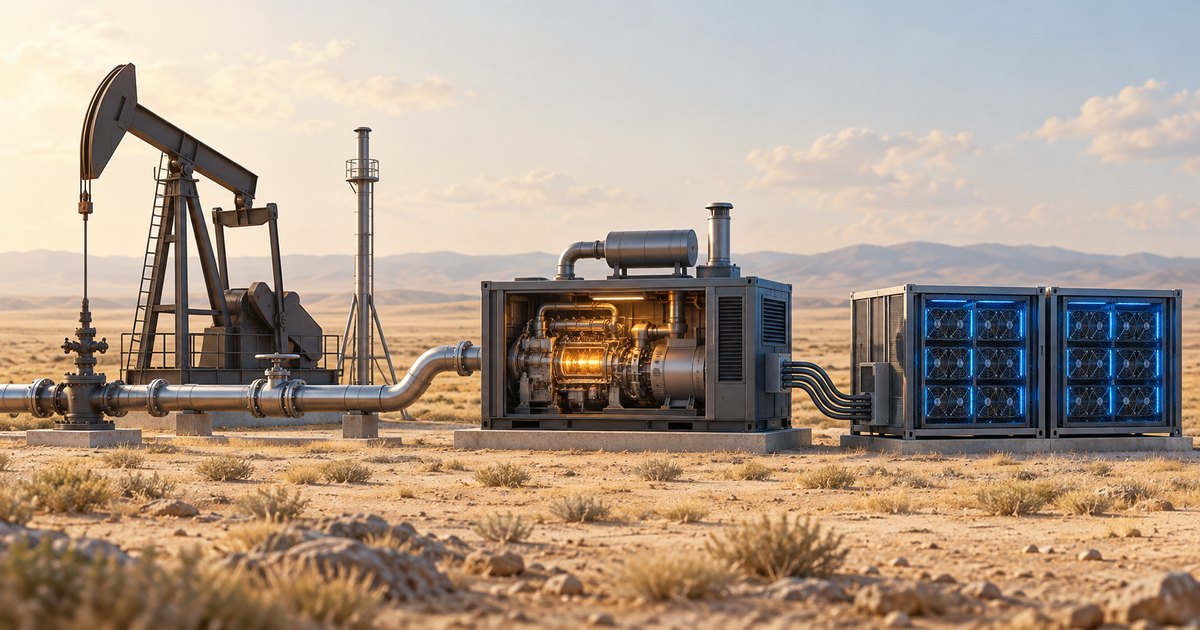
Associated gas is extracted alongside crude oil and is often burned off at remote wells because pipeline infrastructure is prohibitively expensive. Bitcoin miners can be containerized and deployed on-site at wellheads without requiring grid connections. The approach is not novel—companies like Crusoe Energy have built businesses around converting flare gas into mining power in US states like North Dakota and Wyoming.
What matters here is the political angle. Kazakhstan became the world's second-largest Bitcoin mining hub after China banned crypto mining in 2021, with operations scattered globally seeking cheap electricity and permissive regulation. But mining consumed about 8% of the country's total electricity supplies at one point. The Kazakh government, facing energy shortages partly driven by the mining boom, introduced stricter energy regulations and imposed higher costs on miners, causing operations to relocate.
Avoiding the grid-strain trap
The key difference from Kazakhstan's previous mining boom is that miners using flare gas wouldn't be straining the national grid, which removes the political friction that derailed earlier operations. Off-grid mining at wellheads sidesteps the energy-shortage complaints that prompted the earlier crackdown.
Converting flare gas to electricity for mining is more efficient than open flares and captures more energy content, though combustion still occurs. It's not a zero-emissions solution, but it's better than burning gas into the atmosphere with no economic benefit.
Tax incentives and coordination
The decree was developed in collaboration with Kazakhstan's Ministry of Artificial Intelligence and Digital Development. The policy also introduces personal income tax exemptions for gains from transactions conducted on licensed domestic digital asset platforms. The combined package—cheap energy at wellheads, no grid impact, and tax relief—signals a deliberate effort to rebuild the mining sector without repeating the political backlash of the 2021-2022 boom.
Frequently asked questions
Why does Kazakhstan want miners to use flare gas?
Oil producers burn off associated gas at remote wellheads because pipeline infrastructure is too expensive. Mining operations can be deployed on-site without grid connections, converting that wasted gas into electricity and economic value while reducing emissions.
How does this avoid the political problems of the last mining boom?
Previous mining operations strained Kazakhstan's national grid, triggering energy shortages and government crackdowns. Flare-gas mining at remote wellheads doesn't draw from the grid, eliminating the political friction that forced miners to relocate.
Is flare-gas mining emissions-free?
No. Converting flare gas to electricity for mining is more efficient than open flares and captures more energy, but combustion still occurs. It's a reduction in waste, not zero emissions.