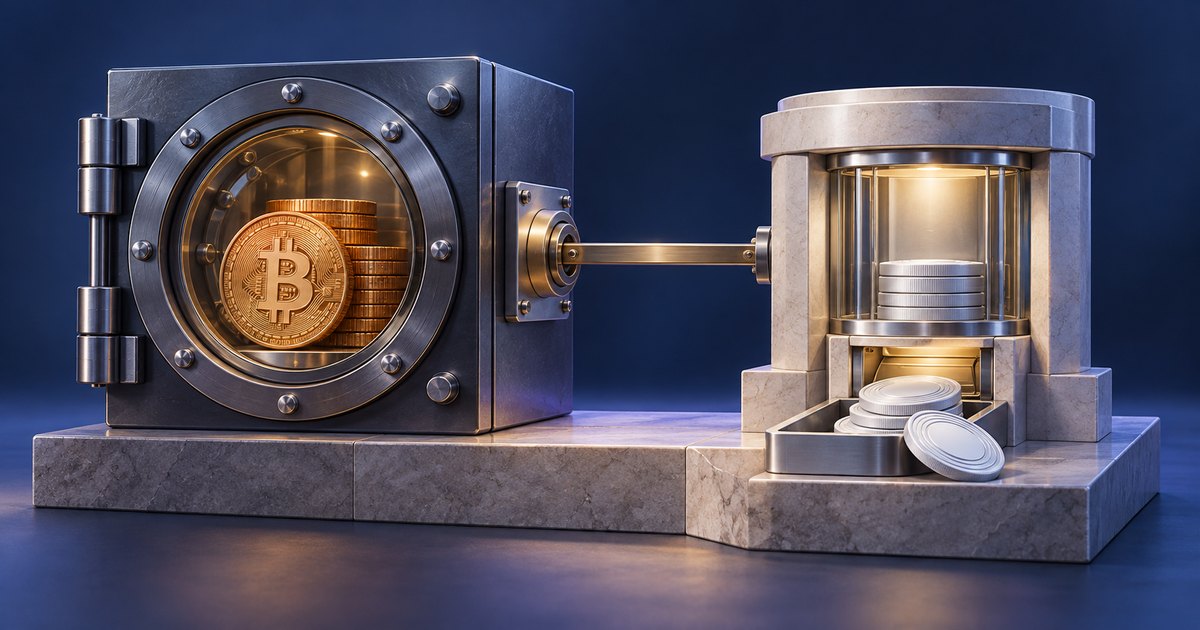
Lite Strategy retires 13% of shares via Litecoin sales, lifting per-share backing

In brief
- Lite Strategy repurchased 4.9M shares for $5.4M through July 17 via Litecoin sales and covered-call premiums.
- Share count fell 13.32% while Litecoin holdings dropped 11.89% over the same period.
- Per-share backing rose just 1.66% despite the aggressive 13% share retirement program.
- Discount to net asset value widened to low-40% range before narrowing below 25%.
- Buyback funded entirely without debt, using LTC sales and options premiums.
Treasury Liquidation Funds the Buyback
Lite Strategy reported 819,070 LTC and 31,882,648 outstanding common shares as of July 17. The reported Litecoin holdings fell 11.89% from December 31 to July 17, while the reconstructed share count fell approximately 13.32%.
Through March 31, the company reported $1.925 million in digital-asset sale proceeds and $742,000 in covered-call premiums, while spending $1.995 million to repurchase 1,629,136 shares. The gap between asset sales and buyback spending narrowed as the program progressed, suggesting a tighter cash position by mid-year.
Per-Share Math: A Narrow Win
The buyback did lift Litecoin backing per outstanding common share by approximately 1.66%, rising from roughly 0.02527 LTC to 0.02569 LTC per share. That's the intended effect of any buyback—fewer shares chasing the same (or shrinking) asset base—but the math only barely favored shareholders. Litecoin's own decline over the period meant the company had to sell a meaningful portion of its reserve just to offset the share dilution from years past.
Lite Strategy's issuer-defined discount to Litecoin net asset value reached the low-40% range during the repurchase period and later narrowed below 25%. The volatility in that discount reflected both market sentiment and the company's shrinking treasury.
Risks and Counterparty Exposure
The July release reported no debt and gave preliminary, unaudited June 30 estimates of $5.7 million in cash and $1.1 million in liabilities. Balance-sheet strength is real, but the funding structure introduced secondary risks. Covered-call contracts could require delivery of underlying Litecoin at expiry if exercised, limiting further appreciation on that portion of the treasury.
Transferred Litecoin collateral also created GSR counterparty exposure, although Lite Strategy assessed expected credit losses as immaterial at March 31. The company's March quarterly filing separately listed about 3.95 million warrants without providing an updated July count, adding another layer of dilution risk not yet reflected in the per-share calculation.