Meta launches camera-free Ray-Ban Audio Glasses with privacy focus
In brief
- Ray-Ban Meta Audio Glasses launch October 7 at $349, camera-free design
- Six microphones and integrated speakers with optional $149 Hearing Enhancement mode
- Privacy-first approach addresses regulatory pressure and consumer wearable concerns
- Available in Burbank and Clubmaster styles, prioritizing battery life over recording
The pitch: audio-first, camera-free
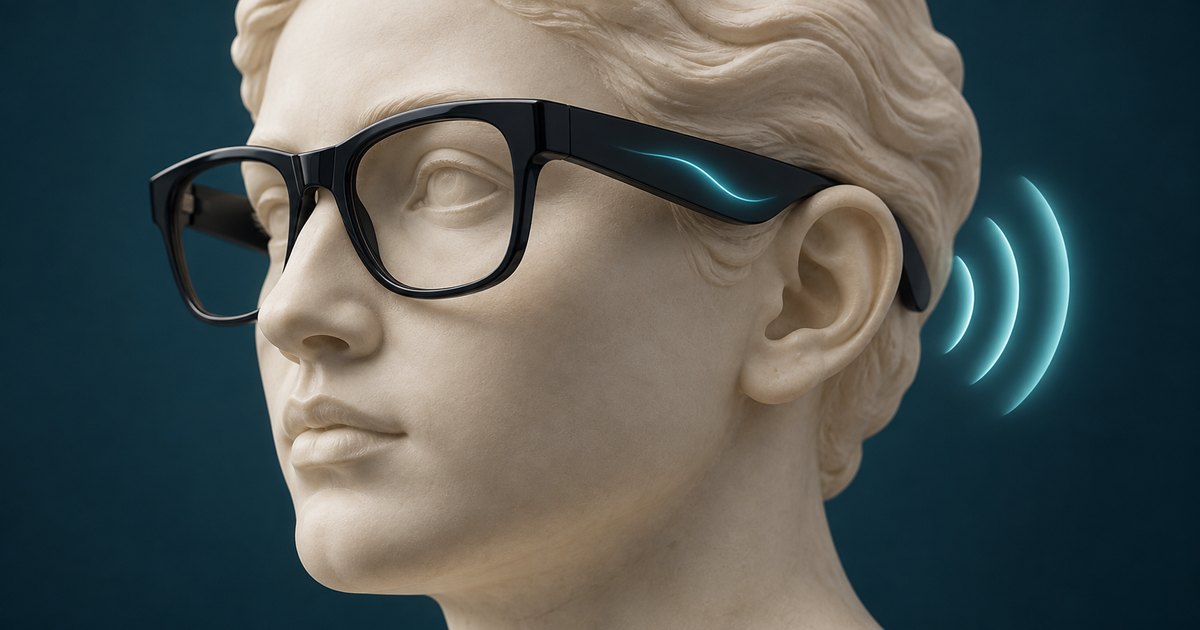
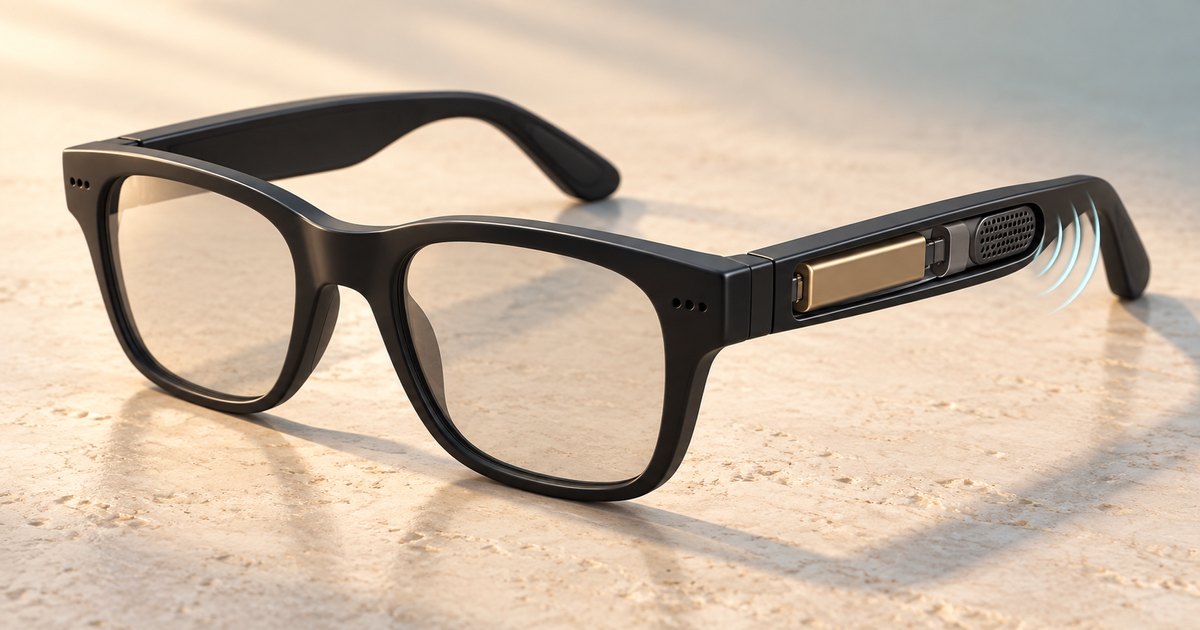
The new glasses ship October 7 starting at $349, available in two frame styles—Burbank and Clubmaster—and weighing roughly 42 grams. Inside, six microphones and integrated speakers handle open-ear audio, letting users listen to music, take calls, or access Meta's AI assistant without earbuds or bone conduction.
The standout feature is an optional Hearing Enhancement mode for $149, designed to amplify ambient sound. A dedicated action button activates Muse, Meta's recently introduced AI assistant, giving hands-free access to voice commands and information.
Why remove the camera?
CEO Mark Zuckerberg highlighted an underappreciated benefit: battery life. Cameras are power-hungry components, and removing one means the glasses can run longer on a single charge. The decision also sidesteps regulatory friction. Germany has been particularly aggressive in scrutinizing camera-equipped smart glasses, and other markets are watching closely.
Meta isn't abandoning cameras entirely. The company's decision to launch a camera-free model alongside its existing camera-equipped Ray-Ban Meta Gen 3 line is a hedge, not a retreat. The Audio glasses' $349 price point positions them below the camera-equipped models, giving consumers a choice.
The bigger picture
Meta and EssilorLuxottica have expanded the Meta-branded frame lineup to over 100 styles, signaling serious investment in wearables as a platform. The Audio Glasses suggest the company is learning to listen—literally and figuratively—to privacy concerns while expanding its footprint in a market that's still finding its shape.