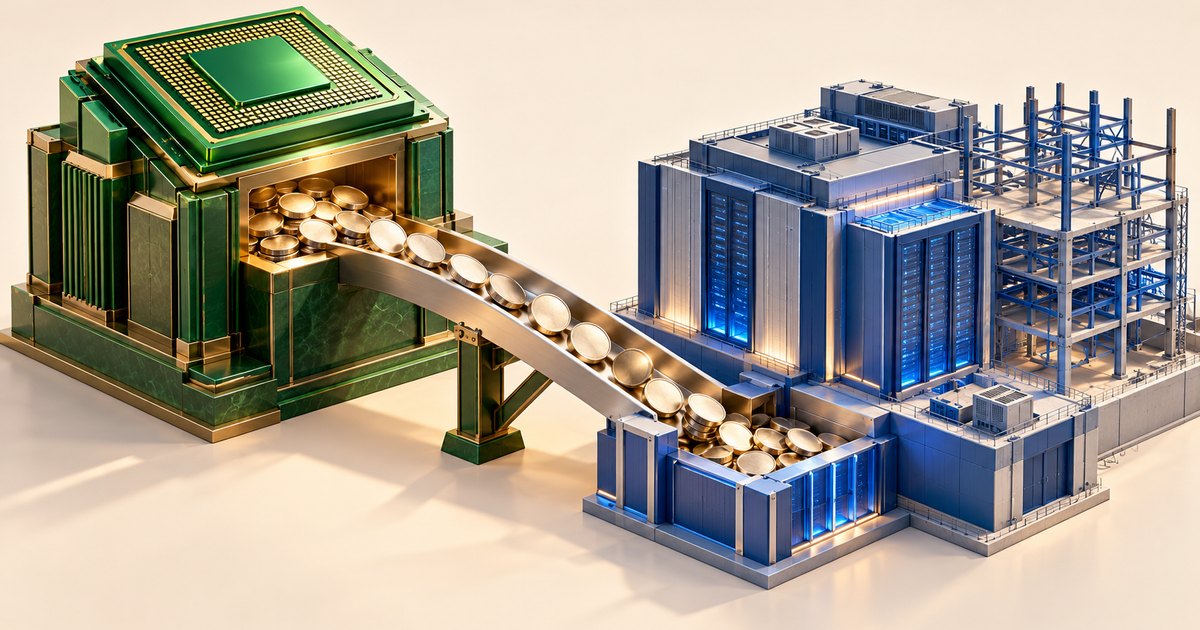
Meta's TextSeal2 watermark detects 89% of AI text in researchers' tests
In brief
- Meta's FAIR lab and Meta Superintelligence Labs published the TextSeal2 paper on arXiv on October 29.
- TextSeal2 detected 89% of 200-token outputs at a 0.1% false-positive rate, the paper reports.
- The original TextSeal reached 71% and competing method textGrain reached 67% in the same test.
- Public key sharing lets third parties verify TextSeal2 watermarks without the private key.
- Meta hasn't announced product integrations or public deployments of TextSeal2.
How the watermark works
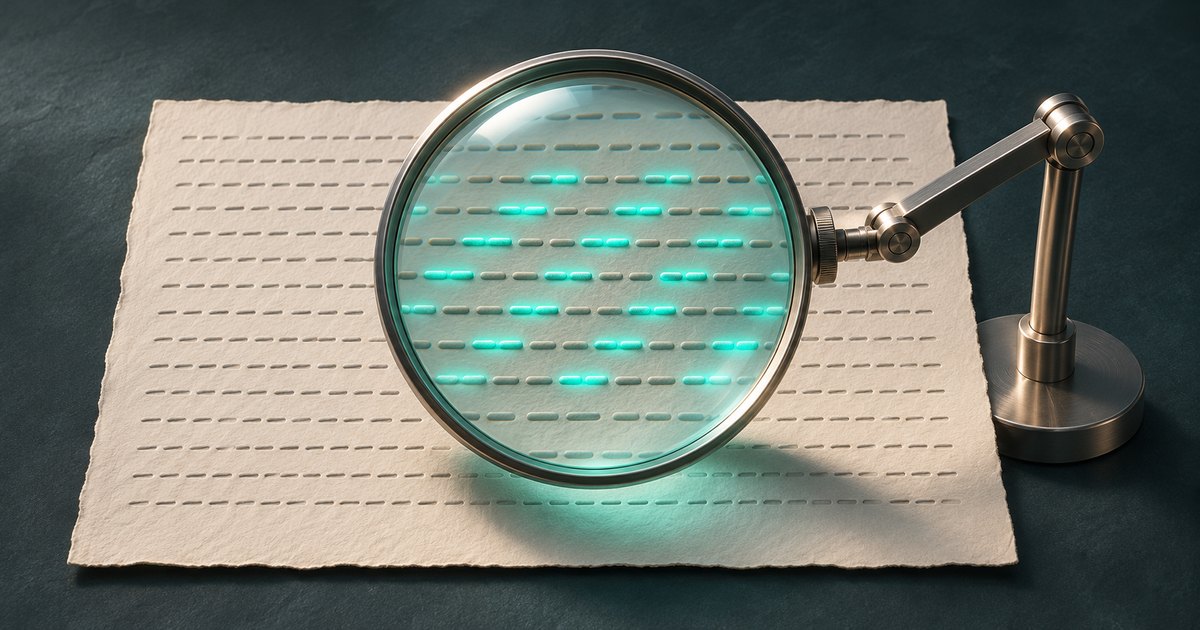
The original TextSeal came out in August 2026. It embedded detectable signals in AI text by changing how models select words during generation (the mark lives in word choice, not in metadata). TextSeal2 builds on that with a technique called copula mixing, which combines multiple secret keys into a single virtual key and injects fresh noise into the process.
Crypto Briefing reported that this produces a stronger, more consistent signal without slowing the model or making its outputs blander. The paper also says TextSeal2 added no measurable inference latency and preserved speculative decoding acceptance rates. Speculative decoding is a speed optimization where a smaller draft model generates candidate tokens that a larger model then verifies in batch.
Those are the paper's findings. They haven't been independently verified.
What the paper reports
Meta ran comparisons across three models: Llama-3.1-8B, Qwen3.5-9B and Qwen3.5-27B. For 100-token sequences at a 10^-3 false-positive rate, the researchers reported that TextSeal2 beat the original TextSeal by 8 to 22 percentage points, depending on the model.
The strongest result came under speculative decoding on Qwen3.5-9B. In that setup, TextSeal2 recorded 89% detection on 200-token outputs at a 0.1% false-positive rate, while the original TextSeal reached 71% and a competing method, textGrain, reached 67%.
Verification, and what's still missing
TextSeal2 supports public key sharing, so third parties can check whether a piece of text was watermarked without getting access to the private key. Tom Sander and Pierre Fernandez led the research, and the team has put the code and reproducibility scripts on GitHub.
Meta is also reportedly working on a separate technique called radioactive watermarking. Crypto Briefing reported that it reached a 79% detection rate on text from models distilled from Meta's systems.
None of this has reached users yet. As of November 2026, Meta hadn't announced any public deployments or product integrations based on TextSeal2, so for now it's a research paper with open code, not something shipping in Meta's apps.
Frequently asked questions
How does Meta's TextSeal2 watermark AI-generated text?
TextSeal2 builds on the original TextSeal, which embedded detectable signals by changing how models select words during generation. TextSeal2 adds copula mixing, which combines multiple secret keys into a single virtual key and injects fresh noise into the process.
How accurate is TextSeal2 compared with other methods?
According to the Meta researchers' paper, as reported by Crypto Briefing, TextSeal2 detected 89% of 200-token outputs at a 0.1% false-positive rate under speculative decoding on Qwen3.5-9B. The original TextSeal reached 71% and textGrain reached 67% under the same conditions.
Can third parties check whether text carries a TextSeal2 watermark?
Yes. TextSeal2 supports public key sharing, so third parties can check whether text was watermarked without access to the private key. The team also released its code and reproducibility scripts on GitHub.
Is TextSeal2 being used in Meta's products?
Not yet. As of November 2026, Meta had not announced any public deployments or product integrations based on TextSeal2. For now it's a research paper with open-source code.