Monument Bank tokenizes £250M deposits on Midnight blockchain
In brief
- Monument Bank tokenizes £250M (≈$330M) retail deposits on Midnight privacy blockchain
- First UK-regulated bank to offer tokenized deposits to retail customers
- Tokenized deposits maintain 1:1 sterling peg, fully backed and redeemable
- Monument targets mass-affluent clients (£50K–£5M assets) via consumer app
- November 2026 launch delayed by FCA custodian requirements
How tokenized deposits work
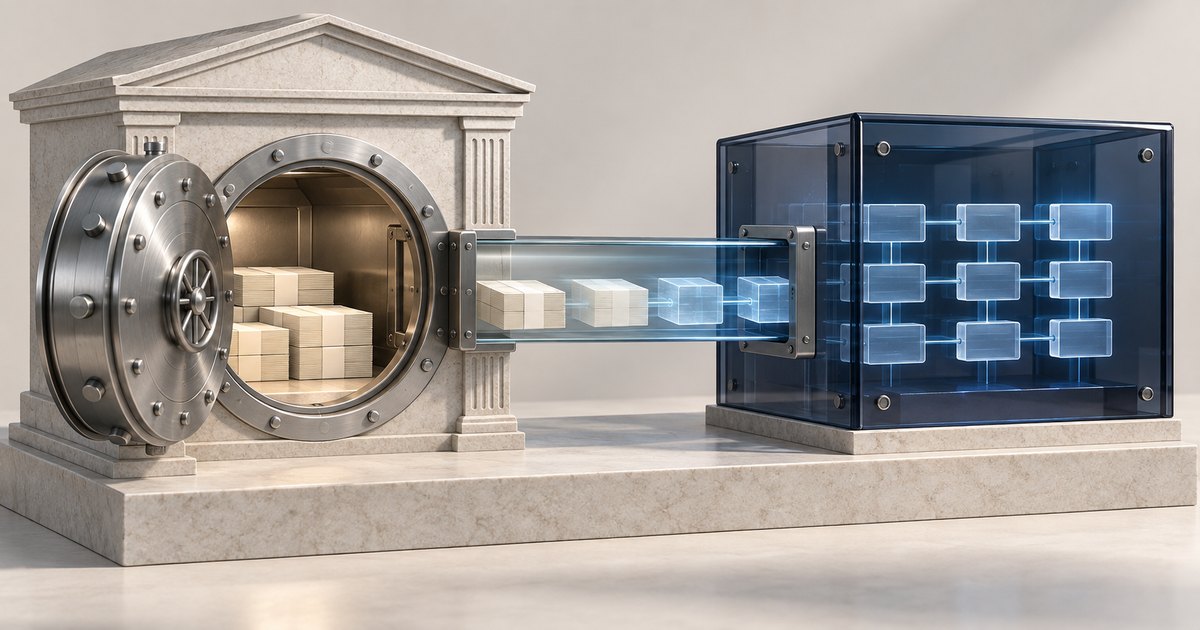
Monument's tokenized deposits maintain a 1:1 peg with traditional savings balances, fully backed and redeemable in pounds sterling. Customers won't need to understand blockchain mechanics. The bank embeds tokenized deposits directly into its consumer app, so everyday users can access the benefits without navigating crypto infrastructure.
The £250 million earmarked for tokenization represents about 3.6% of Monument's total deposit base. The bank currently manages roughly £7 billion in deposits across more than 100,000 customers. Its target demographic is mass-affluent clients with investable assets between £50,000 and £5 million.
Privacy and regulatory approval
The Midnight blockchain uses zero-knowledge proofs to keep transaction details confidential between the bank and its customers while still allowing regulatory audits. This privacy-by-design approach addresses a core challenge for regulated institutions: compliance and confidentiality can coexist on a blockchain.
Midnight is purpose-built for selective disclosure, a feature that regulated institutions care deeply about but that public chains have struggled to deliver natively. Monument founder Mintoo Bhandari pointed to difficulties finding a UK-based custodian that meets Financial Conduct Authority standards for handling advanced privacy technologies. The solution: Monument engaged an FCA-approved custodian based in Canada to handle the tokenized deposits. The original timeline called for a launch earlier in 2026, but this regulatory friction pushed the rollout to November.
What comes next
Future phases of the project could include tokenized investment products and lending options. If Monument's retail-focused approach succeeds, it could signal a path for other regulated banks exploring blockchain infrastructure without the friction of building custody solutions from scratch.