NNSA plans 1 gigawatt data center at Savannah River Site with nuclear power transition
In brief
- NNSA awards Amentum contract for 1 GW data center at Savannah River Site, South Carolina
- Project includes 2 GW additional on-site energy generation capacity
- Initial natural gas power; long-term transition to nuclear energy planned
- No cryptocurrency or blockchain infrastructure involvement confirmed
Federal Infrastructure Shift
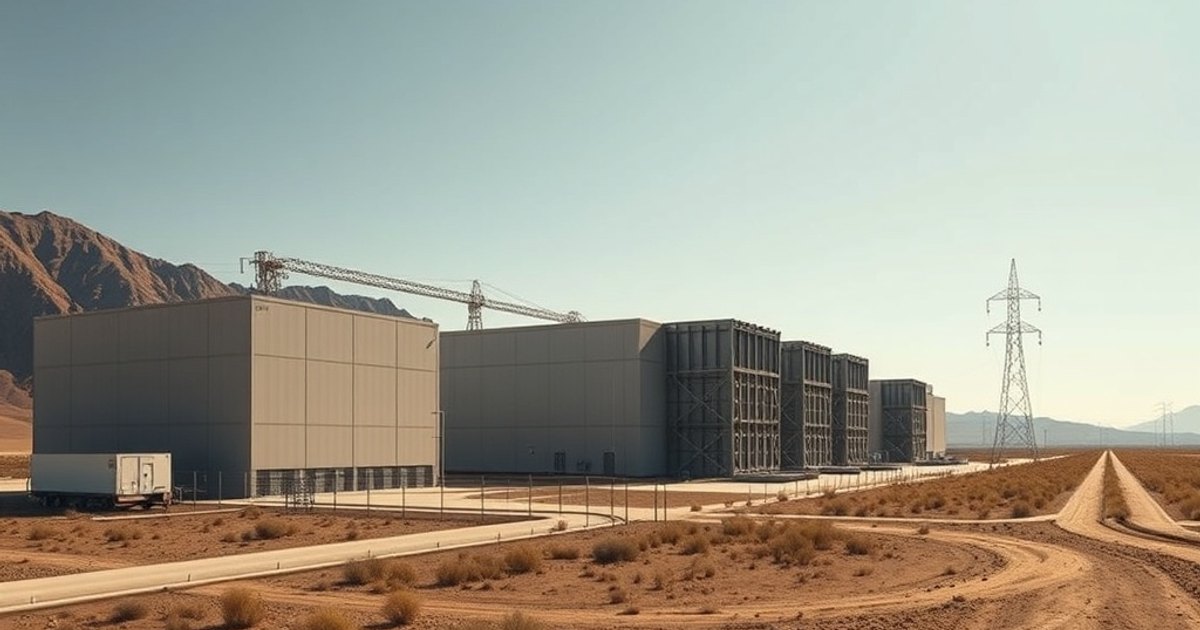
The Savannah River Site sits on federally secured land under Department of Energy control since the 1950s. It originally existed to produce nuclear materials during the arms race. Now, the site is being repurposed for data infrastructure.
One gigawatt is roughly enough to power 750,000 homes. The 2 GW of generation capacity gives the project significant headroom for expansion and redundancy, a critical consideration for mission-critical data operations.
Why Nuclear Matters
Nuclear power produces zero carbon emissions during operation. That matters in a landscape where large-scale compute infrastructure faces mounting pressure to decarbonize. Microsoft, Google, and Amazon have all pursued nuclear energy deals in recent months, signaling that major tech operators see atomic energy as a long-term solution for power-hungry workloads.
The federal government's approach differs from private sector deals. The government is building the infrastructure itself, on its own land, with its own contractor. That gives it direct control over cost, timeline, and operational parameters.
The Crypto Angle—and Why It's Not There
The headline suggests this matters to crypto miners. It doesn't, at least not yet. There are no reported ties to cryptocurrency mining, blockchain infrastructure, or digital asset operations of any kind. This is a federal data center play, not a mining facility.
That said, the broader implication is worth noting. As nuclear power becomes more accessible for large-scale compute, the infrastructure landscape shifts. Miners and other power-hungry operations will watch how this project performs. If the Savannah River facility delivers reliable, low-carbon gigawatt-scale power, it sets a template for future federal and private infrastructure decisions.