Nvidia invests $6.5B in silicon photonics to solve AI cluster bandwidth limits
In brief
- Nvidia invested $6.5B+ in optical interconnect firms: $2B each in Lumentum and Coherent, $3.2B in Corning
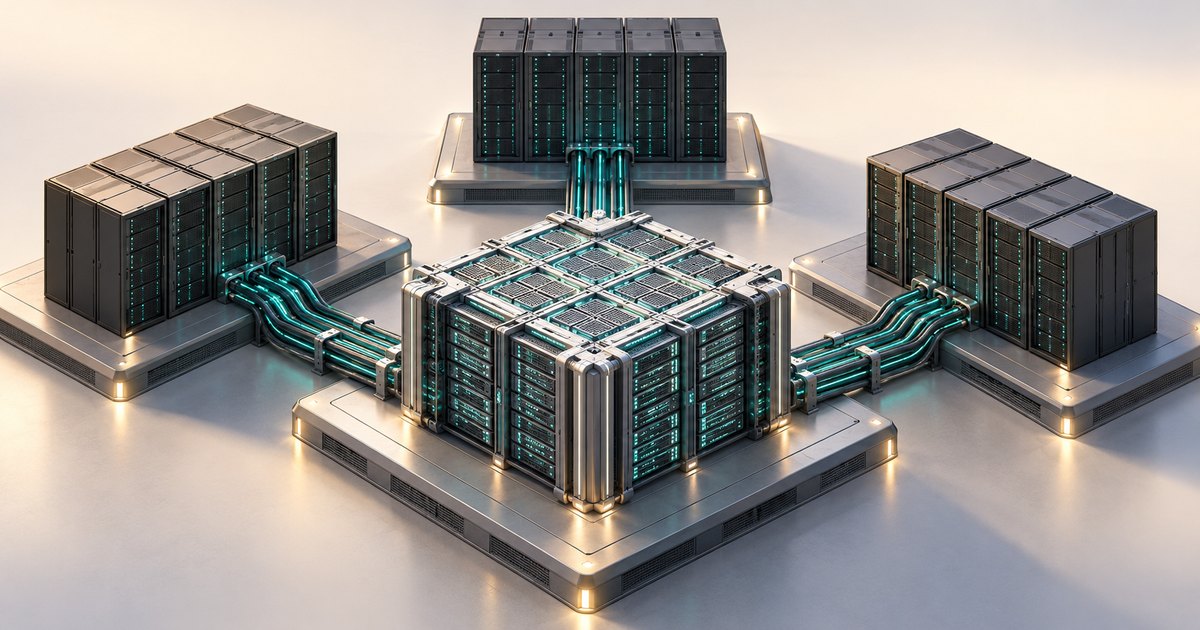
- Silicon photonics transmits data via light instead of electrical signals, solving power and bandwidth constraints in massive AI clusters
- Sector projected to grow from $2.2B (2024-2025) to $9.6B by 2030, a 28-29.5% compound annual growth rate
- Applied Optoelectronics surged 328% YTD 2026; Lumentum +137%, Ciena +113%, driven by hyperscale data center demand
The copper constraint
Copper interconnects worked fine when AI models were smaller and data centers were more modest. But modern training clusters push hundreds of thousands of GPUs to work in concert, and the bandwidth demands have simply outrun what electrical signaling can deliver without melting or consuming absurd amounts of power.
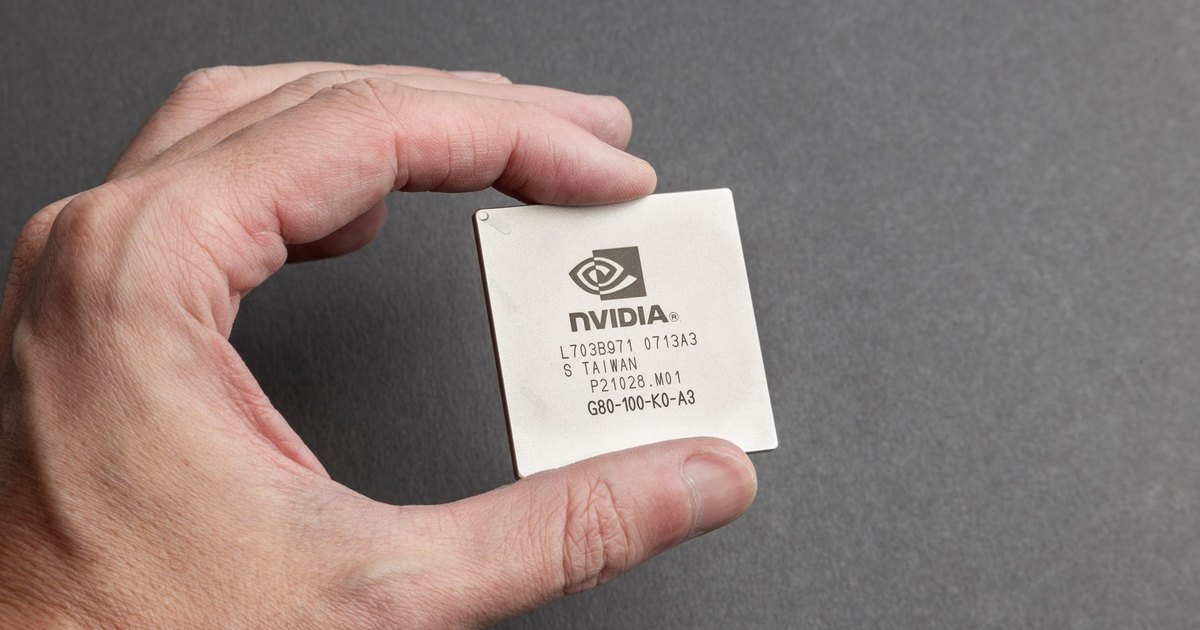
Nvidia invested $2 billion each in Lumentum and Coherent, two of the sector's largest players. The company also allocated up to $3.2 billion in Corning and funded a $500 million Series E round in Ayar Labs, a photonics chip startup. These investments, made since March 2026, total more than $6.5 billion—a clear signal that Nvidia sees optical interconnects as essential infrastructure.
Market acceleration
The silicon photonics sector was roughly a $2.2 billion sector in the 2024-2025 timeframe. Projections now place it at over $9.6 billion by 2030, representing a compound annual growth rate between 28% and 29.5%.
Stock performance reflects the momentum. Applied Optoelectronics has gained 328% year-to-date in 2026. Lumentum is up 137% and Ciena has climbed 113%. These gains are driven by actual purchase orders from hyperscale data center operators, not speculation.
Implications beyond data centers
Silicon photonics infrastructure could reshape crypto mining and decentralized AI infrastructure. More efficient power delivery and higher bandwidth density mean lower operational costs for any system that runs distributed compute at scale. Mining operations and decentralized AI networks would benefit from the same optical interconnects now being deployed in Nvidia's clusters.
The shift isn't theoretical. It's already priced into the market and backed by billions in capital allocation from the world's largest AI chip maker.
Frequently asked questions
Why can't copper wiring handle modern AI clusters?
Modern AI training clusters push hundreds of thousands of GPUs to work in concert. The bandwidth demands have outrun what electrical signaling can deliver without overheating or consuming excessive power. Silicon photonics uses light instead of electrical signals, solving this constraint.
How much is the silicon photonics market growing?
The sector was valued at roughly $2.2 billion in 2024-2025 and is projected to reach over $9.6 billion by 2030, representing a compound annual growth rate between 28% and 29.5%.
How much has Nvidia invested in photonics companies?
Nvidia has committed over $6.5 billion since March 2026. This includes $2 billion each in Lumentum and Coherent, up to $3.2 billion in Corning, and $500 million in Ayar Labs' Series E round.