NY Fed report shows Treasury used euros, not dollars, for July yen intervention
In brief
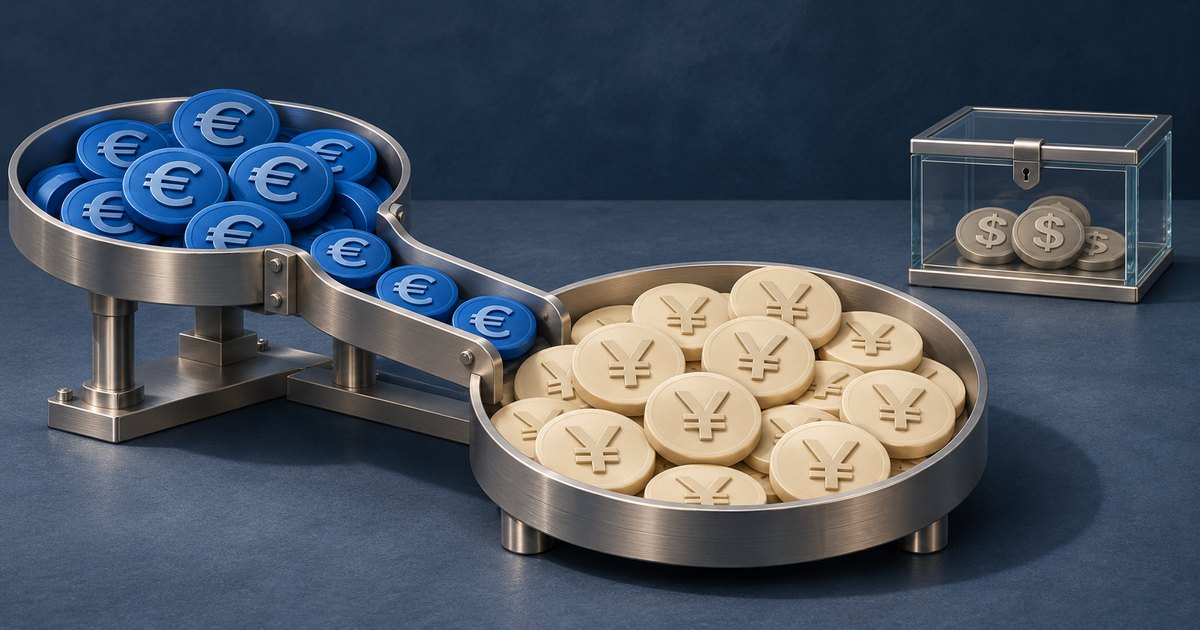
- Treasury funded July's yen intervention with euros from its Exchange Stabilization Fund, per the NY Fed.
- The New York Fed bought 79.4 billion yen on July 31 as Treasury's fiscal agent.
- Fed dollar swap balances fell from $250 million to $207 million in the third quarter.
- Bitcoin's exposure runs through yen leverage, not new Fed dollars, according to CryptoSlate.
A reserve trade, not new dollars
The goal, according to the New York Fed's report, was to counter what Treasury saw as disorderly moves in the yen. Treasury's ESF operating framework lists yen and euros as its foreign-currency assets (so the money came out of one reserve currency and went into the other).
The Federal Reserve itself didn't intervene in foreign-exchange markets in the third quarter.
That's why the funding detail matters for crypto. CryptoSlate's Liam Wright argued that an exchange of reserve currencies alone gives no evidence of new Fed dollars entering Bitcoin markets.
Swap lines shrank, funding stayed calm
The same report showed total balances under the Fed's central-bank dollar liquidity swaps fell from $250 million on June 30 to $207 million on September 30. Under those arrangements, the Fed exchanges dollars for a foreign central bank's currency and agrees to reverse the transaction later. The Bank of Japan had nothing outstanding at the end of September; the remaining balances were held by the European Central Bank and the Bank of England. The report also described offshore dollar funding conditions as stable in Q3, with generally low borrowing premiums in major currency pairs.
Those are quarter-end figures, though. They don't measure gross lending during the quarter, and they don't show what funding conditions looked like in November.
A BOJ exchange-rate sheet recorded dollar/yen at 159.70–71 at 17:00 JST on November 12. CryptoSlate called that a dated market observation, not an announced intervention threshold.
Where Bitcoin fits
In CryptoSlate's analysis, Bitcoin's potential exposure runs through leverage. A stronger yen makes unhedged yen borrowing more expensive to repay in another currency. If volatility raises margin demands, Wright wrote, leveraged investors might need to raise cash or cut positions, which would spread pressure beyond the original currency trade.
There's outside research behind that concern. The Bank for International Settlements found that leveraged equity and currency unwinds amplified the August 2024 market shock, and IMF working-paper authors found that US monetary tightening lowered a broad crypto price factor by reducing investors' appetite for risk.
CryptoSlate was also clear that the report doesn't establish current Bitcoin flows or a present unwind.
Frequently asked questions
Did the July yen intervention put new dollars into Bitcoin markets?
The New York Fed's report says Treasury paid for the July 31 yen purchase with euros from its Exchange Stabilization Fund. CryptoSlate said an exchange of reserve currencies alone gives no evidence of new Fed dollars entering Bitcoin markets.
How could a stronger yen affect Bitcoin?
In CryptoSlate's analysis, the exposure comes through leverage. A stronger yen makes unhedged yen borrowing more expensive to repay in another currency. If volatility raises margin demands, leveraged investors might need to raise cash or cut positions. CryptoSlate said the report doesn't establish current Bitcoin flows or a present unwind.