Oil falls 25% as US-Iran deal opens Strait of Hormuz
In brief
- Brent crude fell to $75.55/barrel on June 19, down 25% from $100+ conflict highs in March.
- US-Iran MOU grants 60-day toll-free tanker passage through Strait of Hormuz; Saudi supertankers resumed transit within hours.
- Iran's Bitcoin and stablecoin maritime toll plan shelved; US had sanctioned ~$344M in crypto wallets.
- Bitcoin rallied to nearly $67,000 on deal announcement, reflecting market relief from geopolitical tension.
Supply resumes through critical chokepoint
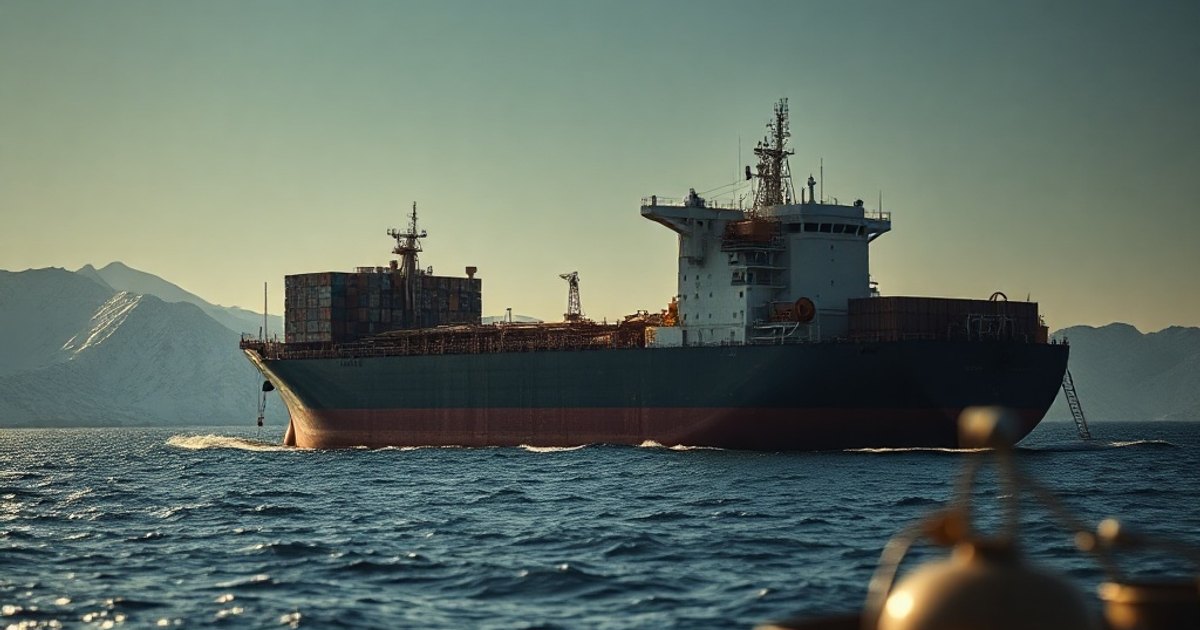
Saudi Arabia deployed supertankers carrying 6 million barrels through the strait within hours of the announcement. The memorandum grants toll-free passage for oil tankers through the strait for an initial 60-day window, removing one of the year's most disruptive supply constraints. When shipping access was effectively shut down starting in early March, Brent crude surged past $100 per barrel as traders priced in sustained scarcity.
The deal's immediate impact on crude prices reflects the market's hunger for supply certainty. Every percentage point of global oil flows passes through this 21-mile corridor. Months of blockade had compressed margins and forced refineries to stretch inventory. That tension broke the moment tankers moved again.
Crypto experiment shelved
Iran's brief flirtation with blockchain-based tolling ends with this agreement. The country had been exploring Bitcoin and stablecoins as potential payment mechanisms for maritime shipping tolls as early as April 2026. The US responded by sanctioning crypto wallets linked to the effort, targeting approximately $344 million worth of digital assets.
The Iran crypto-toll experiment appears to be shelved for now, given the toll-free terms of the current agreement. Toll-free passage removes the revenue incentive entirely. Whether Iran revisits the idea if negotiations stall remains an open question, but for now the experiment is on ice.
Broader market relief
Bitcoin itself rallied to nearly $67,000 in the wake of the MOU announcement. The move reflects broader sentiment that geopolitical de-escalation reduces systemic risk. Oil traders, currency markets, and crypto all moved in the same direction: toward stability.
The MOU also opens the door for further negotiations on Iran's nuclear program. A 60-day window for toll-free transit buys time for diplomacy. If talks extend beyond that window, the real test arrives: whether a permanent agreement can replace the temporary reprieve. Supply flows today. Tomorrow's price depends on whether negotiators can hold the line.