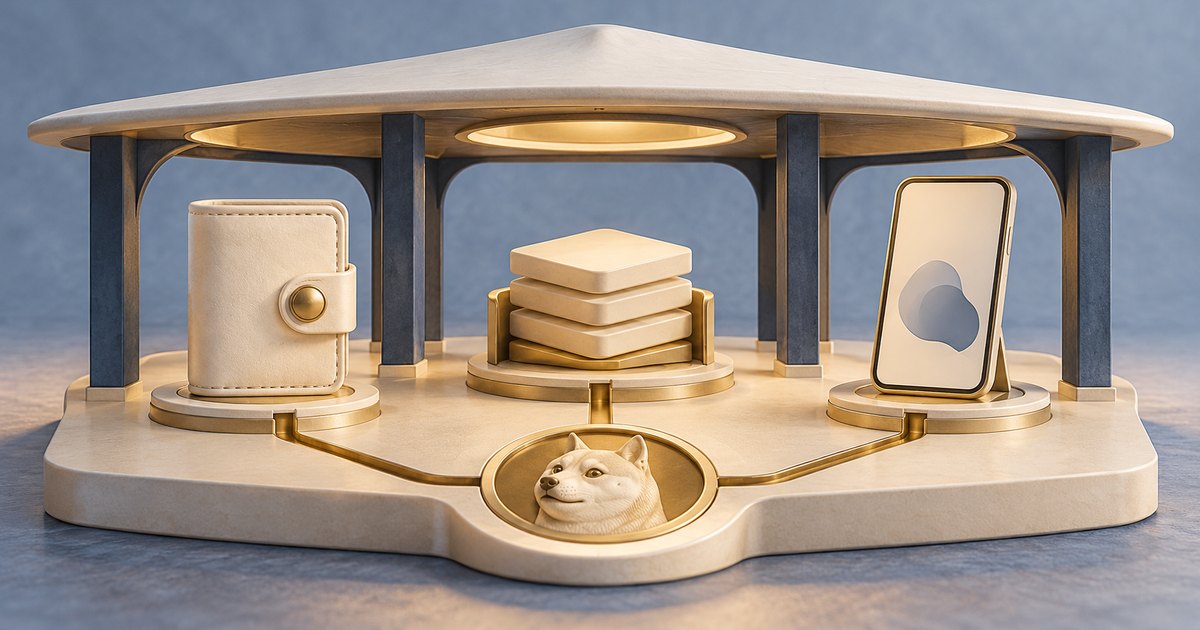
OpenAI plans largest ChatGPT redesign since launch, targeting superapp status

In brief
- ChatGPT superapp redesign bundles coding, design, travel, and third-party integrations
- Codex coding tool and AI agents enable automated actions within the platform
- Canva and Booking.com partnerships integrate design and travel services natively
- Rollout begins in coming weeks, targeting enterprise customers
The superapp strategy
The goal is to transform ChatGPT into a single platform that consolidates tools users currently access through separate subscriptions. Among the most notable additions is Codex, OpenAI's coding tool, which will become a more prominent feature within ChatGPT rather than a standalone product. AI agents that can take actions on behalf of users—rather than just answer questions—are also part of the package.
The redesign touches both the ChatGPT website and its mobile applications. By partnering with companies like Canva for design and Booking.com for travel, OpenAI is essentially trying to make ChatGPT a one-stop shop for enterprise productivity. The rollout is expected to begin in the coming weeks, though OpenAI hasn't disclosed a precise launch date.
Enterprise focus and market implications
The redesign is strategically aimed at enterprise customers. This positions ChatGPT directly against rivals. Google has been moving in this direction with Gemini's integration across Workspace, while Microsoft has its Copilot strategy embedded in Office 365. OpenAI, which lacks an existing enterprise software ecosystem, is betting that ChatGPT's brand recognition and model quality can compete with these incumbents.
The stakes are significant. If ChatGPT successfully becomes the starting point for coding, design, travel booking, and general productivity, it threatens individual SaaS companies whose products could become features within OpenAI's ecosystem. Current partners like Canva and Booking.com gain distribution today—but risk becoming obsolete if OpenAI builds native alternatives.
Recent momentum
The superapp push follows rapid product iterations. In May 2026, GPT-5.5 Instant became the default model powering ChatGPT, replacing its predecessor. Then in early June 2026, the company rolled out a major overhaul to its memory systems, allowing ChatGPT to better retain and recall user context. OpenAI has also been laying the groundwork for a potential public listing, making this redesign a critical moment for demonstrating enterprise value ahead of any offering.