OpenAI plans visual ad test inside ChatGPT's image generator this month
In brief
- OpenAI announced a visual ad test tied to ChatGPT's image generation feature on October 5.
- The US test is set to run with an initial group of advertisers.
- OpenAI says the ads will be clearly labeled and kept separate from user-generated images.
- Hightouch, Tealium and DoubleVerify will help advertisers track performance and brand safety, per OpenAI.
What the ads look like
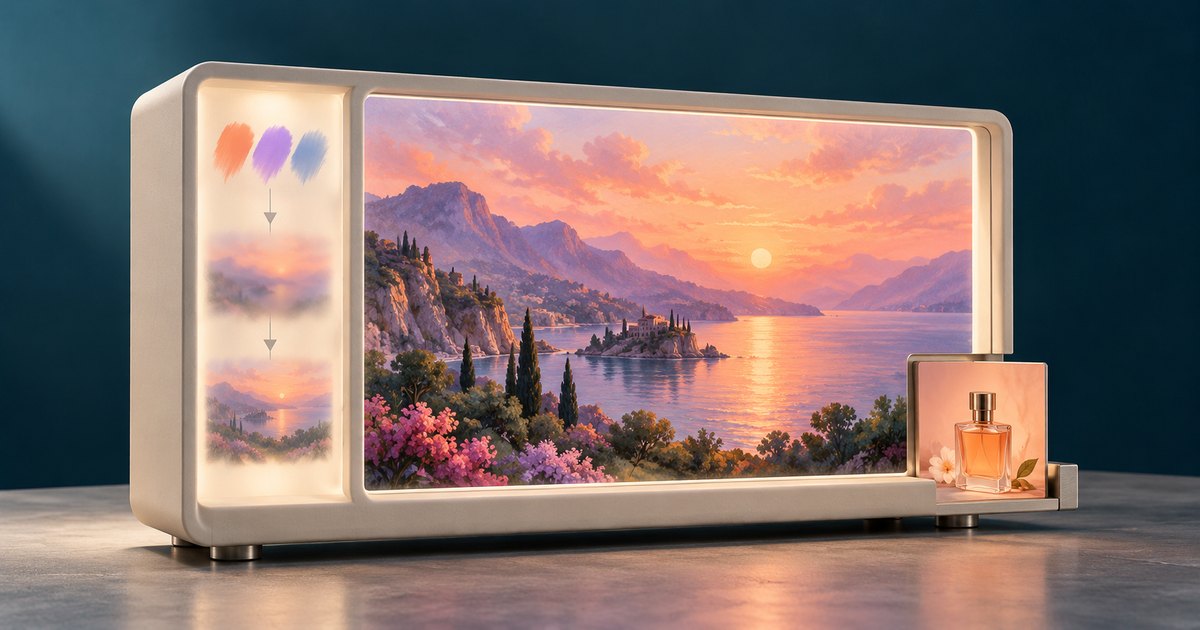
These aren't plain text placements. According to OpenAI's announcement as reported by Crypto Briefing, the ads will show images built around a product (inspiration for it, examples of it in use, or the experience it's meant to deliver).
The company also made a promise about where the ads appear. OpenAI says they'll be clearly labeled and kept distinctly separate from the images the AI generates for the user.
Measurement is changing too. Alongside the new format, OpenAI is upgrading its measurement tools, and it's working with partners including Hightouch, Tealium, and DoubleVerify to help advertisers track campaign performance and brand safety.
How ChatGPT ads got here
The visual test sits on top of an existing program. Broader testing of ChatGPT ads began on February 9, 2026, for logged-in users on the free and Go tiers; subscribers on higher tiers don't see ads at all.
Why run ads in the first place? Crypto Briefing reported that OpenAI launched the ad program in response to high infrastructure costs, with a stated goal of broadening access to ChatGPT's features for people who aren't on premium plans.
The audience is large. ChatGPT reaches 1.2 billion weekly users, according to OpenAI figures cited by Crypto Briefing.
There's some early advertiser data as well. WeightWatchers reported a 15.3% lower attributed cost per acquisition than paid-search benchmarks in its initial ChatGPT ad testing (that's the company's own reported result from early tests, not an independent measurement).
What OpenAI hasn't said yet
OpenAI has said its existing ad program doesn't compromise the quality of ChatGPT's responses. It has also said it doesn't use private user data for targeted advertising. Both are the company's own statements.
The scope is still narrow. As of the latest update, OpenAI hasn't announced any new countries for its ads, and it hasn't unveiled other ad formats beyond the visual image-generation tests.
For now, it's a US-only test with an initial group of advertisers.
Frequently asked questions
Who sees ads in ChatGPT right now?
Broader testing of ChatGPT ads began on February 9, 2026, for logged-in users on the free and Go tiers. Subscribers on higher tiers don't see ads. The new visual ad test is set to run in the United States with an initial group of advertisers.
How are ChatGPT's visual ads different from its other ads?
The visual ads plug into ChatGPT's image generation feature. Instead of plain text placements, they show images built around a product, such as inspiration for it, examples of it in use, or the experience it's meant to deliver. OpenAI says they'll be clearly labeled and kept separate from images the AI generates for the user.
Does OpenAI use private data to target ChatGPT ads?
OpenAI has said it doesn't use private user data for targeted advertising. It has also said its existing ad program doesn't compromise the quality of ChatGPT's responses. These are the company's own statements.