OpenAI's ChatGPT visual explanations cover 70+ math and science topics
In brief
- OpenAI announced dynamic visual explanations for ChatGPT on March 10, 2026, per Crypto Briefing.
- Users manipulate math and science concepts directly instead of reading text explanations.
- Launch coverage spans 70+ topics, from the Pythagorean theorem to Coulomb's law.
- All logged-in ChatGPT users get access, with no premium tier required.
- More interactive modules are planned over time, OpenAI said.
What the feature does
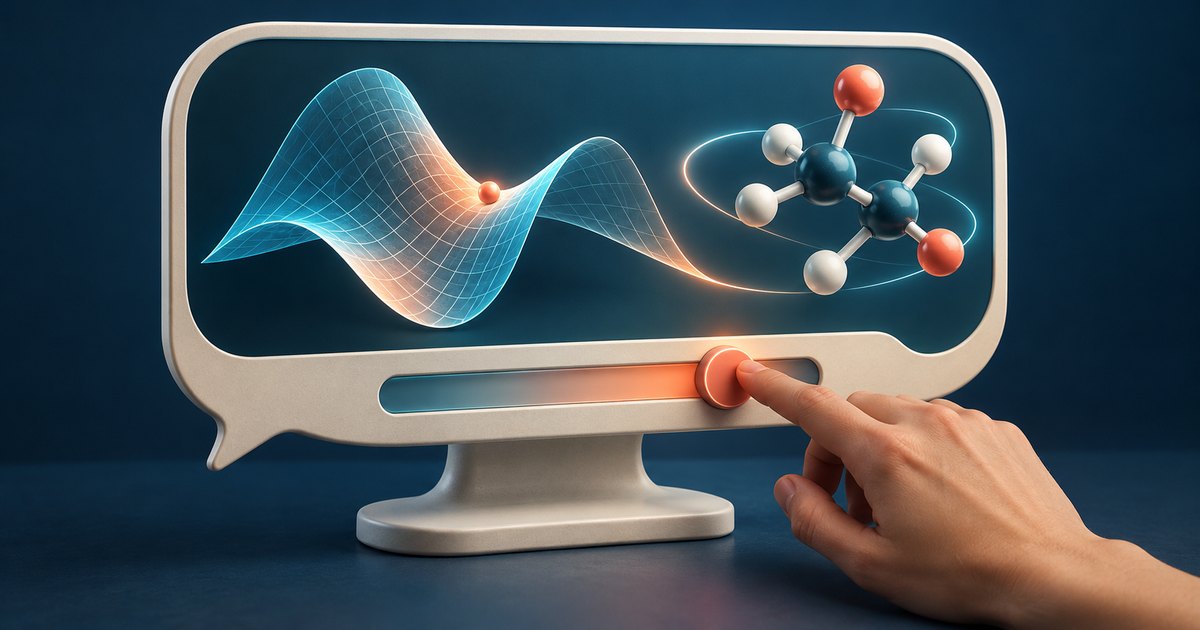
OpenAI's own example was the Pythagorean theorem. Users could adjust the sides of a triangle and see the result change instantly, according to Crypto Briefing's report on the announcement. It's a hands-on format (move a value, see the outcome) that replaces long text explanations with something you can actually work with.
At launch, the feature covered more than 70 topics across math and science. The examples ranged from the Pythagorean theorem and kinetic energy to Hooke's law and Coulomb's law, so it isn't just geometry.
"It lets users manipulate math and science concepts directly instead of scrolling through another wall of text."
OpenAI opened the feature to all logged-in ChatGPT users, per the report.
It wasn't walled off behind a premium tier.
How ChatGPT got here
When ChatGPT launched in 2022, the experience was almost entirely text-based. It didn't stay that way. In late 2024, OpenAI introduced Canvas, a workspace for creating and working with content alongside the model, and in October 2025 the company brought interactive third-party applications into the platform.
Dynamic visual explanations, announced on March 10, 2026, came after both of those changes.
Who it's for
Who's likely to use it first? Crypto Briefing identified students and teachers as the most immediate stakeholders, which fits a launch list built around classroom topics like kinetic energy and the Pythagorean theorem.
OpenAI has said it'll add more interactive modules over time. The report didn't put a timeline on that plan, so we don't yet know how big the next batch will be or when it'll arrive (or whether it'll stretch beyond math and science).
Frequently asked questions
What are ChatGPT's dynamic visual explanations?
Dynamic visual explanations is a ChatGPT feature OpenAI announced on March 10, 2026, according to Crypto Briefing. It lets users manipulate math and science concepts directly rather than reading text explanations. In OpenAI's Pythagorean theorem example, users adjust the sides of a triangle and see the result change instantly.
Which topics do ChatGPT's dynamic visual explanations cover?
At launch, the feature covered more than 70 math and science topics. Examples included the Pythagorean theorem, kinetic energy, Hooke's law and Coulomb's law. OpenAI said it planned to add more interactive modules over time.
Do you need a paid ChatGPT plan to use dynamic visual explanations?
No. According to Crypto Briefing's report on OpenAI's announcement, the feature was available to all logged-in ChatGPT users. It wasn't restricted to a premium tier.