OpenAI Unveils Jalapeño Custom AI Chip With Broadcom
In brief
- OpenAI unveiled Jalapeño, its first custom AI chip, developed with Broadcom
- Jalapeño designed specifically for large language model inference and response generation
- First product in multi-generation compute platform deploying to data centers later this year
- Chip delivers more computing power while consuming less energy than leading AI chips
A Strategic Move Toward Hardware Control
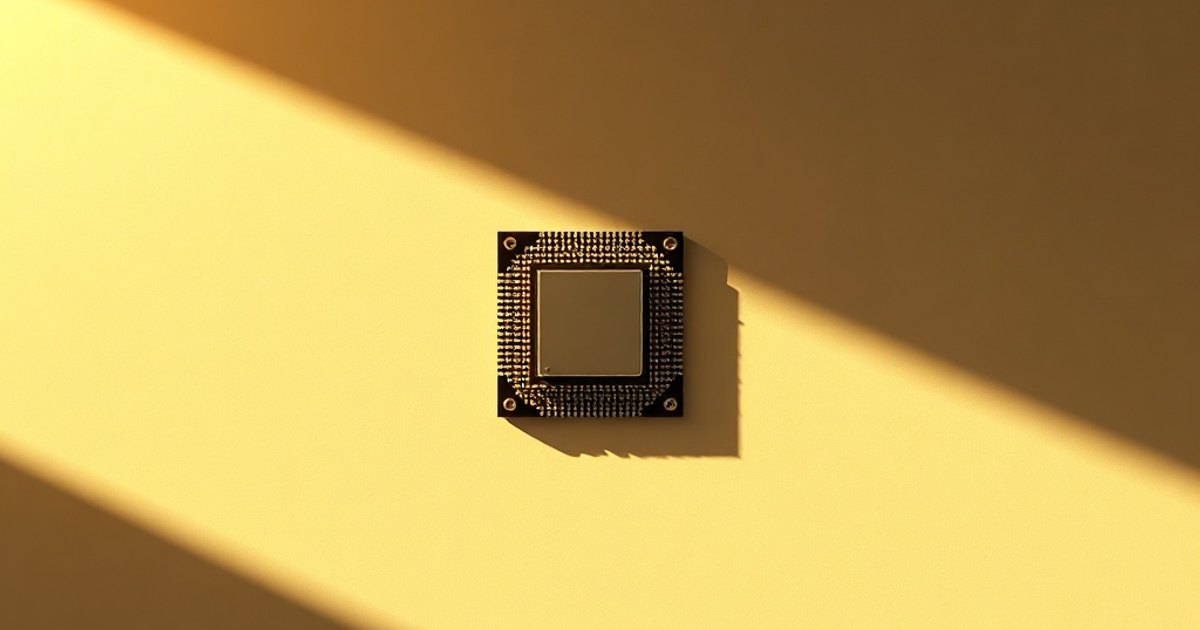
Jalapeño marks OpenAI's most significant move yet toward controlling more of the hardware stack behind its AI models. The company has long relied on Nvidia's GPUs to power ChatGPT and other large language models, but earlier this year, Reuters reported that OpenAI was planning to launch its first internally deployed AI chip to reduce that dependence. Jalapeño is the answer to that effort.
OpenAI claims Jalapeño can deliver more computing power while using less energy than today's leading AI chips. The company hasn't released benchmark results yet, so independent verification remains pending. Still, the move signals OpenAI's confidence in its ability to design silicon competitive with established players.
Deployment Timeline and Scale
The chip is the first product in what OpenAI describes as a multi-generation compute platform expected to begin deployment in data centers later this year. Future generations will support gigawatt-scale AI infrastructure with Microsoft and other partners. Broadcom and OpenAI plan to enable deployment of gigawatt-scale data centers with Microsoft and other partners beginning in 2026.
The initiative reflects a broader industry trend toward vertical integration. As AI compute demands grow, companies are designing their own chips to optimize for their workloads and reduce costs. Jalapeño positions OpenAI to compete on infrastructure efficiency, a critical advantage as the race for AI capability intensifies.
"Jalapeño is part of our long-term, full-stack infrastructure strategy to make compute more abundant, resulting in AI which is faster, more reliable, more affordable for people and businesses, and can be used to solve more important problems. By designing more of the stack ourselves, we can serve more intelligence with greater efficiency and keep pushing advanced AI toward broader access." — OpenAI President Greg Brockman