Paul Sztorc claims over 80% of Bitcoin Lightning payments are custodial
In brief
- Paul Sztorc claimed custodial services handle over 80% of Lightning payments; Crypto Briefing reported no confirming data.
- Sztorc compared how custodial Lightning is promoted to the Theranos scandal.
- Lightning Labs' Alex Bosworth said private, non-custodial payments are extremely slow compared with tap to pay.
- Lightning transactions totaled 5.22 million in November 2025, below the August 2023 peak, Crypto Briefing reported.
What Sztorc is arguing
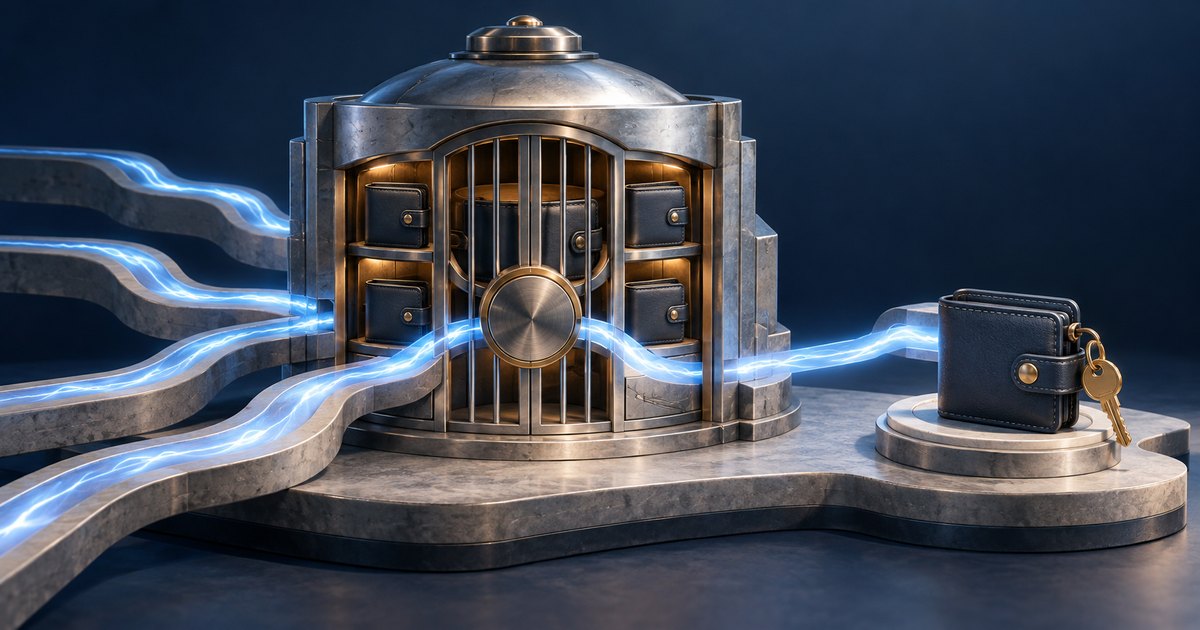
Lightning is a second layer that sits on top of Bitcoin. Users open payment channels with each other, transact off-chain and settle on the main chain later. In a custodial setup, a company holds the user's bitcoin and manages the channels. In a non-custodial setup, the user controls their own funds and channels (and that distinction is what the whole fight is about).
Sztorc argues that real non-custodial usage remains minimal and isn't suitable for everyday transactions, Crypto Briefing reported. He described the promotion of custodial Lightning as a misleading campaign, one that sells a vision the underlying product doesn't deliver. He then compared the way those services are marketed to the Theranos fraud scandal. That comparison is Sztorc's framing of the marketing. It isn't an allegation against any named company or person.
So how much of Lightning is actually custodial?
The public totals can't say. Crypto Briefing reported that Lightning processed $1.17 billion across 5.22 million transactions in November 2025, below the network's peak of 6.6 million transactions in August 2023. Those monthly figures don't split activity between custodial and non-custodial channels, so Sztorc's 80% number didn't come from them.
Bosworth on speed
Alex Bosworth of Lightning Labs commented separately on payment speed a day earlier, on October 3. He said private, non-custodial Lightning payments are extremely slow compared with tap to pay, according to Crypto Briefing. A Cointelegraph article published on October 4 echoed Sztorc's concerns and cited Bosworth's comments.
A long-running critique
This isn't new territory for Sztorc. He's criticized Lightning's channel-based design since at least 2022, pointing to onboarding, liquidity, routing and security. Two problems keep coming up: channel risk and the cost of inbound liquidity. A new user often can't accept payments until someone commits funds on the other side of their channel, which is a real hurdle for anyone trying to onboard people who've never touched crypto.
His preferred alternative is Drivechains, proposed through BIP 300 and BIP 301. He's championed them as a more practical way to scale Bitcoin.
Crypto Briefing said the debate hasn't had any immediate impact on network metrics or market prices.
Frequently asked questions
What is the difference between custodial and non-custodial Lightning?
Lightning is a second layer on top of Bitcoin where users open payment channels, transact off-chain and settle on the main chain later. In a custodial setup, a company holds the user's bitcoin and manages the channels. In a non-custodial setup, the user controls their own funds and channels.
Has Sztorc's 80% custodial figure been verified?
Not according to the available reporting. Crypto Briefing presented the more-than-80% figure as Sztorc's own claim, not one drawn from the monthly Lightning totals it cited, which don't split custodial from non-custodial activity. Those totals include $1.17 billion across 5.22 million transactions in November 2025.
What does Paul Sztorc propose instead of Lightning?
Sztorc's preferred alternative is Drivechains, proposed through BIP 300 and BIP 301. He has championed them as a more practical way to scale Bitcoin. He has criticized Lightning's channel-based design since at least 2022, citing onboarding, liquidity, routing and security.