RBA signals further rate hikes as inflation fight outweighs property strain
In brief
- RBA held cash rate at 4.35% in August 2026 after three earlier hikes this year
- Headline inflation at 4%, underlying at 3.6%—both above RBA's 2-3% target band
- RBA projects inflation won't return to target midpoint until early 2028
- Australia pursuing hawkish policy while global central banks ease or pause
- Rising unemployment and high household debt complicate inflation-fighting strategy
Inflation Remains Sticky Above Target
Headline inflation slowed to around 4% year-on-year as of mid-2026, while underlying inflation remained stubbornly near 3.6%. Both figures sit well above the RBA's target band of 2-3%. The central bank projects inflation won't return to the target midpoint until early 2028—a timeline that justifies the hawkish posture.
The pressure is concentrated in services and non-tradables sectors, compounded by external supply shocks. Assistant Governor Sarah Hunter laid out the board's thinking plainly.
The Hawkish Outlier
While many global central banks have begun easing cycles or paused with a dovish tilt, Australia is charting a starkly different course. The RBA's willingness to tighten further contrasts sharply with the U.S. Federal Reserve's recent pivot and the European Central Bank's rate cuts. That divergence carries real consequences.
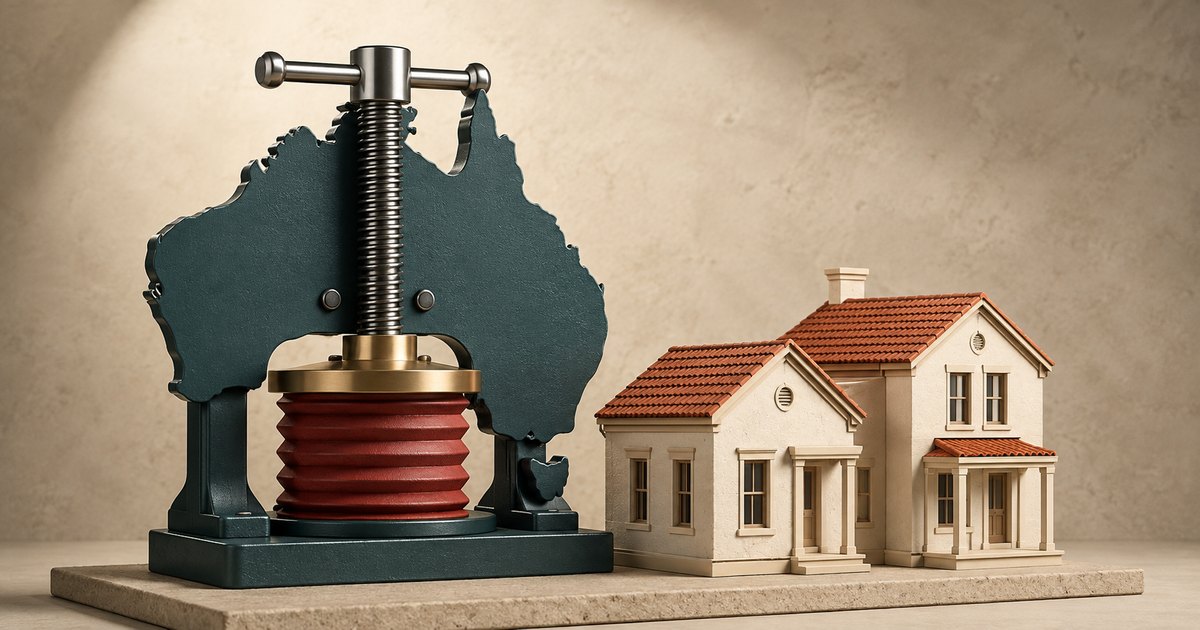
Unemployment is expected to rise to around 4.6%, adding pressure on household finances already strained by elevated rates. Australia's household debt-to-income ratios rank among the highest globally—a structural vulnerability that rate hikes can only worsen.
The property market, already weakening, faces further headwinds if the RBA follows through on its hawkish signals. But inflation control is non-negotiable for the board's credibility.