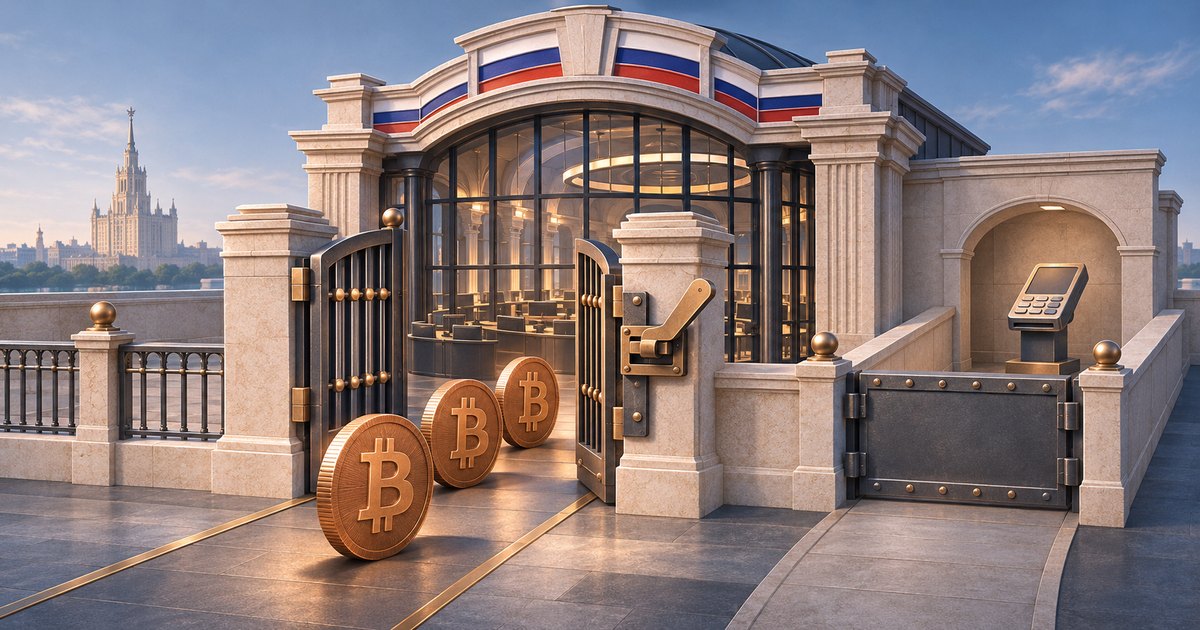
Russia clears Bitcoin trading from Nov. 22 as Moscow Exchange plans Dec. 1 pilot
In brief
- Russian exchanges can trade Bitcoin from Nov. 22 once the Bank of Russia approves their rules.
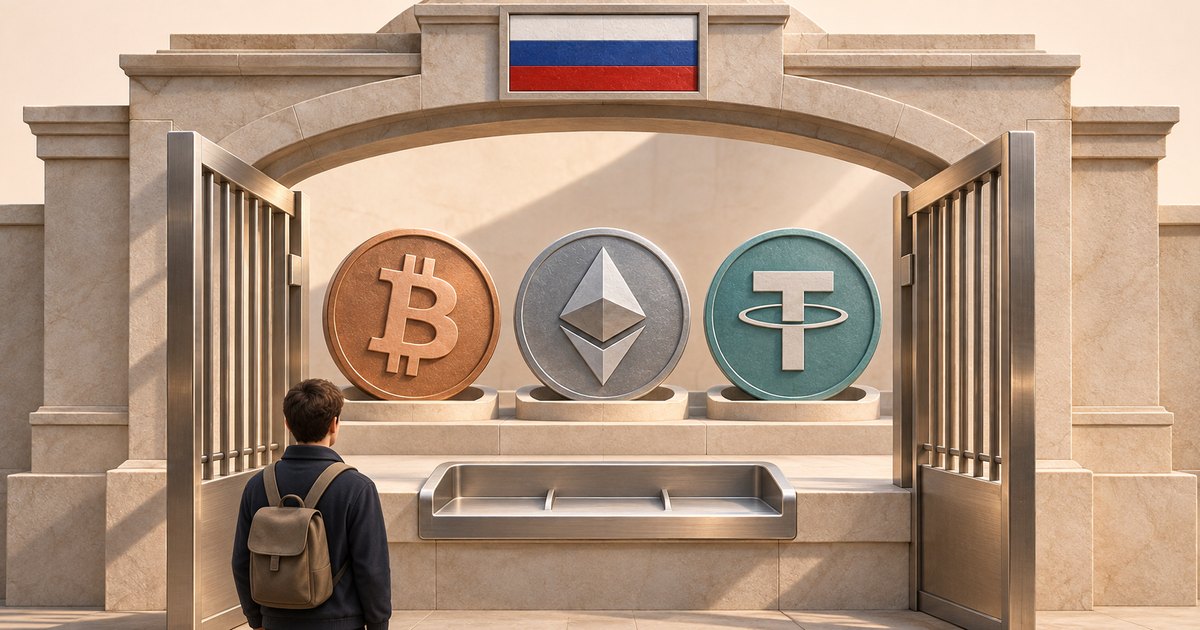
- Retail rules, effective Nov. 17, limit ordinary investors to BTC, ETH and USDT.
- Ordinary investors face a 300,000-ruble annual purchase cap per intermediary.
- Moscow Exchange plans a Dec. 1 pilot via the US-sanctioned National Clearing Centre.
- Domestic merchants remain barred from accepting crypto for goods and services.
What retail investors can buy
The central bank's retail purchase rules took effect Nov. 17, limiting ordinary investors to Bitcoin, Ethereum and USDT (the dollar-linked stablecoin). Why those three? The central bank picked them partly because they're heavily traded and have at least five years of price history on foreign exchanges, according to CryptoSlate.
The 300,000-ruble allowance covers purchases through a single intermediary during a calendar year. It's measured in rubles spent, not the market value of what an investor holds. Purchases can also go through asset managers and registered crypto exchange offices (including deals arranged outside an exchange's order book).
Qualified investors don't face the same cap and can buy other coins. They still have to pass a test and review the risks before trading, just as ordinary investors do.
Payments stay off the table.
Domestic merchants remain barred from accepting cryptocurrency for goods and services. Exporters and importers can use it under a separate provision for cross-border settlement.
How the Moscow Exchange market will work
A separate ordinance lets venues start trading from Nov. 22, provided the regulator has approved their rules. Exchanges must register the companies trading there, track orders and completed transactions, calculate market prices and report activity to the central bank.
Moscow Exchange says it aims to launch Dec. 1, starting with pilot transactions as participating firms connect. The National Clearing Centre's published market plan lists five trading pairs: BTC, ETH and USDT against rubles, plus BTC and USDT against USDX, a clearinghouse settlement currency. There's no direct BTC/USDT pair planned for launch, though the exchange may consider crypto-to-crypto pairs in 2027.
Members will be able to place anonymous orders or negotiate with known counterparties, with settlements expected roughly every 30 to 60 minutes. The exchange's technical specification describes same-day and next-day settlement. Short selling will initially be prohibited (brokers may still offer margin trading under the applicable rules).
Futures came first
Moscow Exchange already runs crypto futures. By mid-September it reported more than 600 billion rubles in crypto-futures turnover since its first contracts began trading in summer 2025. Those contracts are cash-settled, paying gains or losses in rubles without delivering the underlying assets.
The December market is different: investors will buy the coins themselves through financial intermediaries, while everyday domestic payments stay prohibited.
Frequently asked questions
Which cryptocurrencies can ordinary Russian investors buy?
Under the Bank of Russia's retail rules, which took effect Nov. 17, ordinary investors are limited to Bitcoin, Ethereum and USDT. The central bank chose them partly because they're heavily traded and have at least five years of price history on foreign exchanges. Qualified investors can buy other coins after passing a test.
How does Russia's 300,000-ruble crypto purchase limit work?
The cap covers purchases through a single intermediary during a calendar year. It's measured in rubles spent on purchases, not the market value of the investor's holdings. Qualified investors aren't subject to the same cap.
Can people in Russia pay for goods with Bitcoin?
No. Domestic merchants remain barred from accepting cryptocurrency for goods and services, and the new market prohibits crypto's use in everyday domestic payments. Exporters and importers can use it under a separate provision for cross-border settlement.