Saudi Aramco Resumes Crude Loading at Ras Tanura After 4-Month Halt
In brief
- Saudi Aramco resumed crude loading at Ras Tanura on June 25 after four-month halt.
- March 2 fire at adjacent refinery, triggered by intercepted projectile debris, caused shutdown.
- Aramco maintained 60–70% export volumes via East-West pipeline to Yanbu during outage.
- Restart removes key supply-risk narrative that supported oil prices in recent months.
The Outage and the Workaround
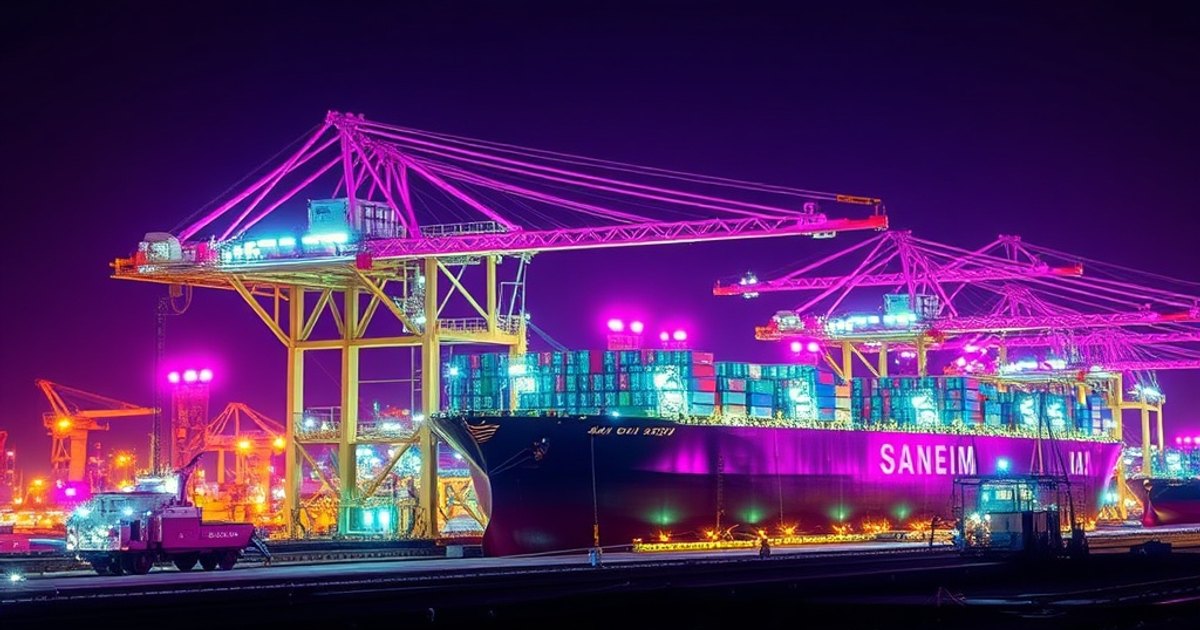
Saudi Aramco's Ras Tanura terminal went offline on March 2 when debris from intercepted projectiles sparked a fire at the adjacent refinery. The facility processes roughly 550,000 barrels per day, making it a critical node in global crude supply.
The refinery fire was contained and restarted by mid-March. Yet the terminal remained shuttered far longer, suggesting the outage reflected not just engineering concerns but also security judgment. During the disruption, Aramco redirected crude through the East-West pipeline to Yanbu, its Red Sea port, maintaining an estimated 60–70% of normal export volumes. That workaround kept markets from facing a catastrophic supply shock, but it came at a cost—higher shipping distances and operational friction.
Market Implications
The timing of Aramco's restart aligns with a broader reduction in geopolitical friction around the Strait, driven in part by an emerging agreement between the US and Iran. This de-escalation removes one of the last major supply uncertainties hanging over crude markets.
For energy traders and refiners, the restart is material. The resumption of Ras Tanura loadings removes one of the lingering supply-risk narratives that has supported oil prices in recent months. Refiners, shipping companies, and downstream processors all benefit when the world's largest exporter can use its primary terminal at full capacity. Normalized supply chains restore predictability—a commodity in itself when geopolitical shocks are routine.