SK Hynix CEO Predicts Historic 2027 Memory Shortage Amid AI Surge
In brief
- SK Hynix Q2 2026 revenue surged 257% year-over-year to 79.32 trillion won with 76% operating margin.
- CEO Kwak projects 2027 as worst supply year in memory industry history, with shortages extending beyond 2030.
- SK Hynix controls over 50% of high-bandwidth memory market, critical for AI accelerators.
- Company secured long-term supply agreements with approximately ten major customers including deposits.
Q2 Results Signal Strength Amid Supply Crunch
SK Hynix reported second-quarter 2026 revenue of 79.32 trillion won, a 257% increase year-over-year. Operating profit hit 60.54 trillion won, up 557% compared to the same period a year ago. The company achieved a roughly 76% operating margin in the second quarter, reflecting the extreme supply-demand imbalance favoring memory producers.
Despite the strong results, SK Hynix shares dropped over 15% shortly after the Nasdaq listing, suggesting market concerns about sustainability.
Demand Outpacing Production
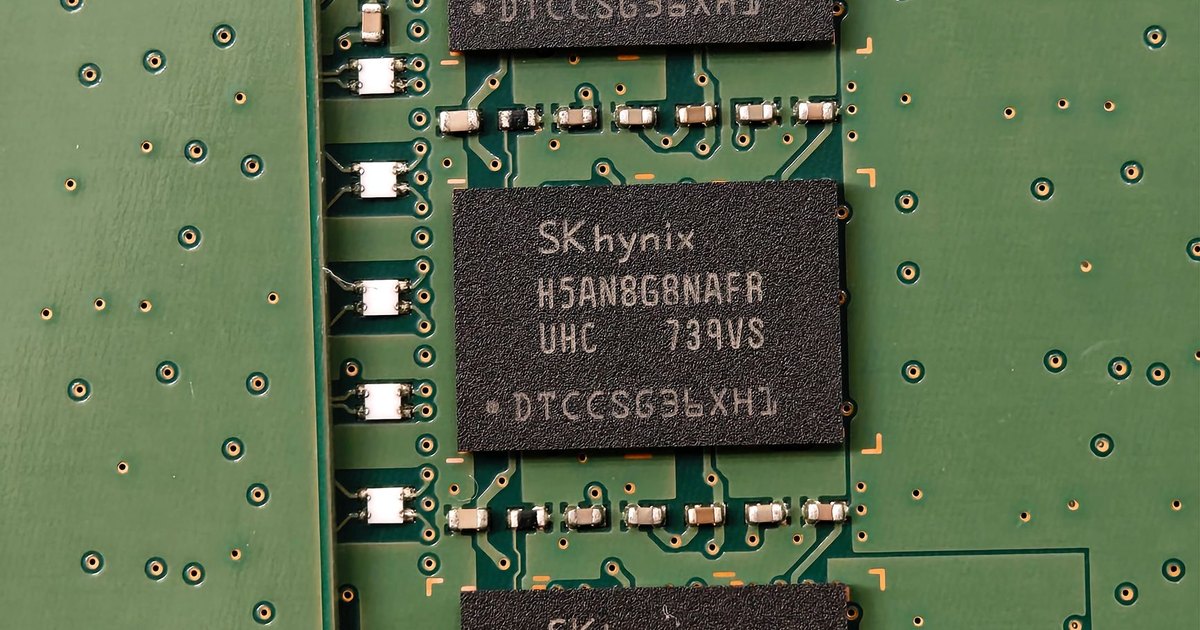
Demand from AI workloads has been consuming memory capacity faster than chipmakers can produce it. The company expects mid-20% growth in DRAM demand for 2026, with NAND demand growing at a high-10% clip. SK Hynix holds over 50% of the high-bandwidth memory (HBM) market, the specialized memory chips that sit inside AI accelerators. This dominant position places the South Korean chipmaker at the center of the AI infrastructure buildout.
The supply squeeze is forecast to persist well beyond 2030. SK Hynix has moved to lock in revenue by securing long-term supply agreements with approximately ten major customers, deals that include deposits and firm commitments. This strategy mirrors the industry's broader pivot toward stability over spot-market sales.
Competitive Landscape
SK Hynix competes primarily with Samsung and Micron in the broader memory market. All three face the same production bottlenecks, but SK Hynix's scale in HBM gives it a structural advantage in capturing AI-driven demand. CEO Kwak's confidence that no slowdown signals exist suggests he sees this supply crunch as a multi-year structural feature, not a cyclical dip.
Frequently asked questions
Why is SK Hynix predicting 2027 will be the worst year for memory supply?
AI workloads are consuming memory capacity faster than chipmakers can produce it. SK Hynix expects mid-20% DRAM growth and high-10% NAND growth in 2026 alone, creating a structural supply deficit that will peak in 2027 before persisting beyond 2030.
What is high-bandwidth memory and why does SK Hynix dominate it?
High-bandwidth memory (HBM) is specialized memory used inside AI accelerators. SK Hynix holds over 50% of the global HBM market, giving it a critical position in the AI infrastructure buildout and allowing it to capture the majority of demand-driven revenue.
How are SK Hynix's financials reflecting the supply shortage?
Q2 2026 revenue jumped 257% year-over-year to 79.32 trillion won, with operating profit surging 557% to 60.54 trillion won. This 76% operating margin reflects the extreme supply-demand imbalance favoring memory producers.