SoftBank's Son: AI Now Designing OpenAI's Next Model
In brief
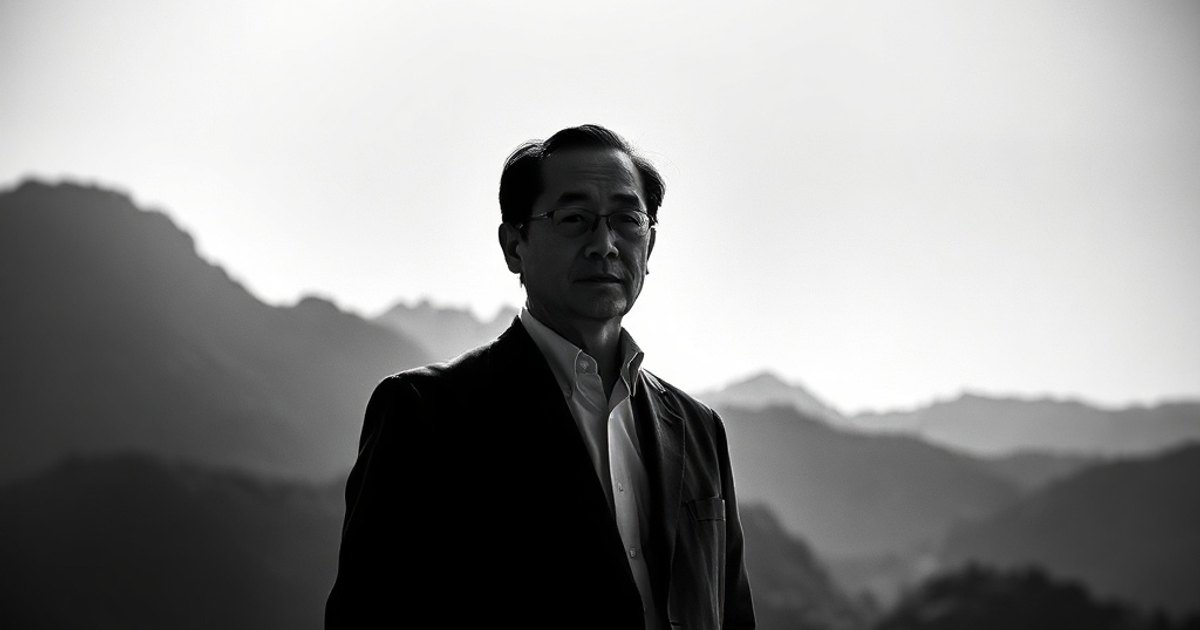
- SoftBank CEO Masayoshi Son disclosed AI is designing OpenAI's next model during a June 5 CNBC interview.
- Son believes superintelligence could arrive within two years, revising his timeline downward significantly.
- SoftBank has deployed $41 billion of its planned $65 billion OpenAI investment, securing 13% stake.
- OpenAI now represents over 20% of SoftBank's net asset value, reflecting strategic focus.
AI Designing AI
"The machines are designing the machines now," Son said in the interview. This marks a fundamental shift in how AI systems are developed. Rather than humans architecting every layer of next-generation models, the design process itself has become automated. Son made the claim during a CNBC interview, saying the insight came from direct conversations with OpenAI CEO Sam Altman and the company's engineers.
The implications are profound. When AI systems begin optimizing and designing successor systems, the feedback loop accelerates exponentially. Son has revised his timeline for superintelligence downward, now believing it will arrive sooner than he previously expected.
Superintelligence Timeline
Son concluded that superintelligence could arrive within two years. Superintelligence represents the point at which AI surpasses human cognitive abilities across every domain. This compressed timeline reflects Son's conviction that the current AI revolution is unlike anything the world has seen. He has described it as 50 times bigger than the dot-com era.
Son's confidence in this trajectory is backed by SoftBank's massive capital commitment. SoftBank plans to invest a total of $65 billion in OpenAI for a 13% stake. By the end of 2025, the company had already deployed $41 billion of that commitment. This positions SoftBank as one of OpenAI's largest backers, with OpenAI now representing just over 20% of SoftBank's net asset value.
The scale of SoftBank's bet underscores how seriously the company takes Son's superintelligence thesis. Whether the two-year timeline proves accurate remains to be seen. But the fact that AI is now designing AI systems suggests the acceleration is real.