SpaceX lenders seek covenants keeping $40 billion in Nvidia chips on Earth
In brief
- Project Saturn, SpaceX's AI chip financing, totals $43 billion, Crypto Briefing reported.
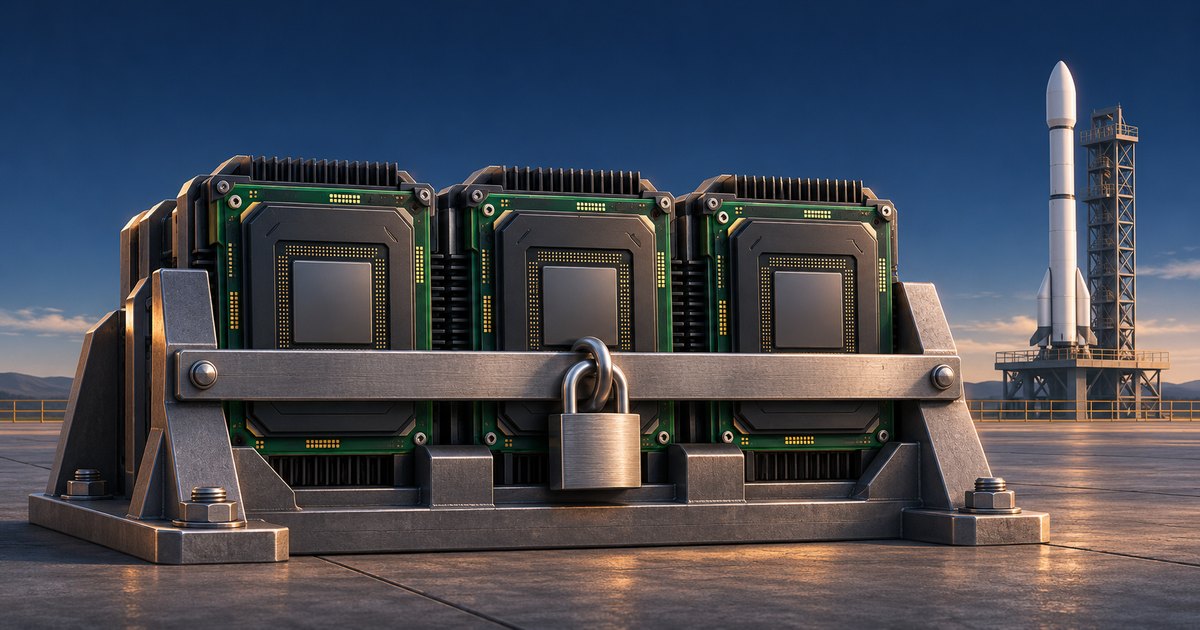
- Lender covenants aim to keep the financed Nvidia chips from being launched into orbit.
- More than $30 billion had been sold to investors around November 19-20, 2026.
- A $25 billion investment-grade bond, the largest tranche, priced near an 8.3% yield.
- The debt runs through a special purpose vehicle, not SpaceX directly.
What Project Saturn is paying for
The hardware is Nvidia's Vera Rubin GPU systems. Most of the money was aimed at buying Nvidia AI chips for terrestrial data centers in the US, with a particular focus on the Memphis, Tennessee area.
Total acquisition cost is estimated at $40–47 billion (that range includes a $7 billion prepayment component). The publication said a prepayment that size is the kind of commitment that tends to secure a place in line for supply.
How the debt is structured
The financing is still closing in stages. More than $30 billion of the $43 billion total had been sold to investors around November 19-20, 2026, with the remaining tranches still to be sold. The biggest single piece so far was a $25 billion investment-grade bond tranche. It priced at roughly an 8.3% yield.
SpaceX isn't issuing the debt directly. It runs through a special purpose vehicle (an SPV) set up to hold the assets and the debt, which Crypto Briefing said lets SpaceX finance its AI buildout while keeping its reported leverage cleaner.
Lease obligations under the structure are absolute. Payments are owed regardless of the chips' condition or any unforeseen circumstances, and that puts the burden squarely on the borrower.
"The risk of the hardware itself sits with SpaceX, not the investors." (Crypto Briefing)
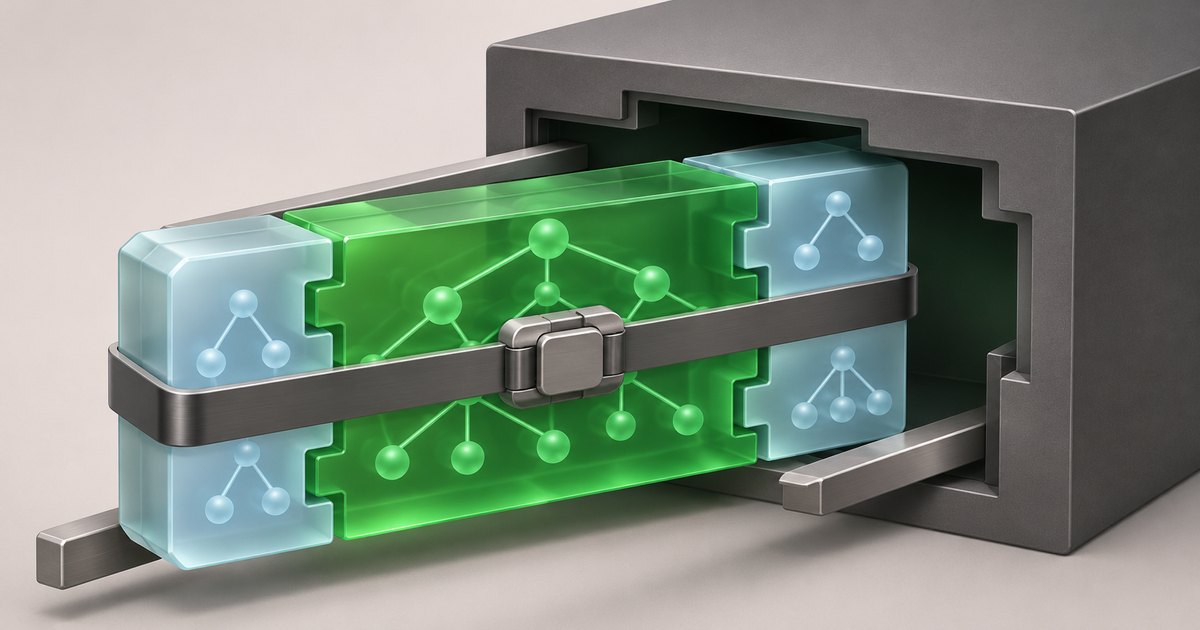
The covenants keep that collateral on the ground.
Why lenders signed on at this size
So how did SpaceX line up a deal this big? It completed an IPO of approximately $86 billion in June 2026, and it brings revenue from launches and satellite services to the table. The publication said that revenue likely helped it negotiate a deal of this size.
That isn't true of every borrower in AI right now. Elon Musk was reported to have noted that AI-exclusive debt markets had largely closed off to borrowers without diversified revenue streams, and SpaceX's mix of launch and satellite income puts it on the other side of that line.
Frequently asked questions
Why do SpaceX's lenders want the Nvidia chips kept on Earth?
Lenders wanted to be able to reclaim the hardware if SpaceX defaulted. As each stage of the Project Saturn financing closed, they wrote in covenants designed to prevent the chips from being launched into orbit, keeping roughly $40 billion in Nvidia chips on Earth.
How is SpaceX's Project Saturn financing structured?
Project Saturn totals $43 billion and runs through a special purpose vehicle rather than SpaceX directly. Its largest piece was a $25 billion investment-grade bond tranche priced near an 8.3% yield. Lease obligations are absolute, so payments are owed regardless of the chips' condition.