Standard Chartered launches RLUSD custody on XRP Ledger, plans LMAX collateral link
In brief
- Standard Chartered launched institutional custody for Ripple's RLUSD stablecoin, Cointelegraph reported.
- XRP Ledger support went live through the bank's Dubai International Financial Centre branch.
- Standard Chartered plans to extend a collateral-mirroring model to LMAX Group, an institutional trading company.
- The collateral plan still needs final documentation, testing, regulatory sign-off and internal approvals.
What's live today
The custody piece is the part that's actually switched on. Standard Chartered rolled out RLUSD support on the XRP Ledger through its DIFC branch, according to Cointelegraph's report on the Monday announcement, and that gives eligible institutional clients access to the bank's digital asset custody infrastructure.
It's a narrow launch. It's also a meaningful one for a stablecoin built on the XRP Ledger.
The LMAX collateral plan
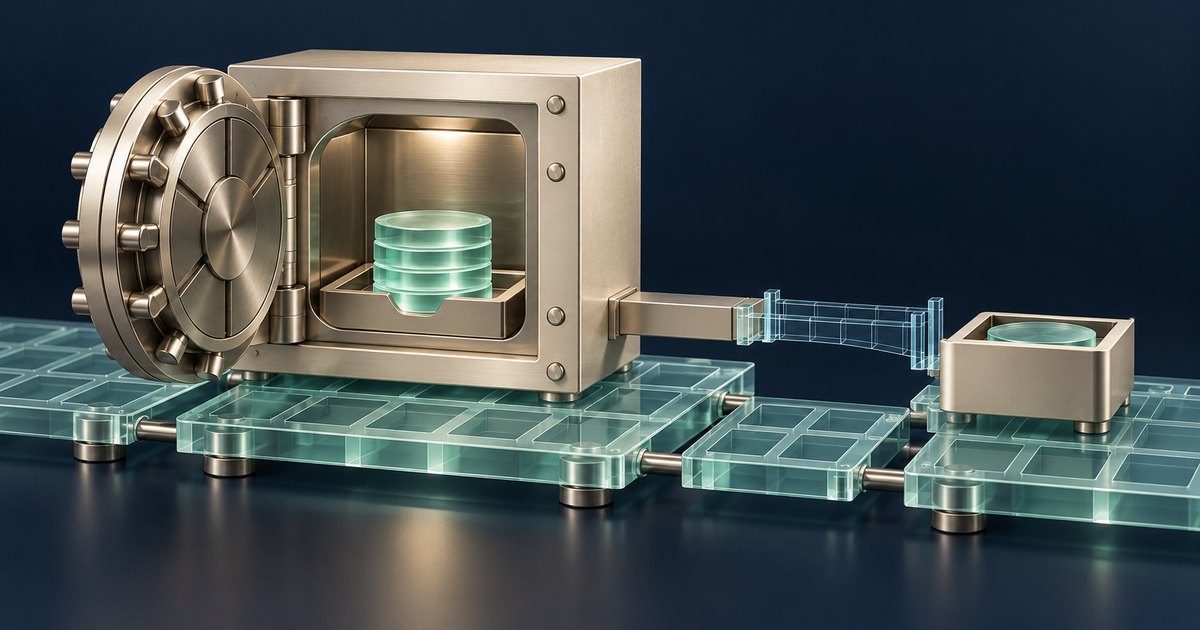
The bigger idea hasn't launched. Standard Chartered plans to extend its collateral-mirroring model to LMAX Group, an institutional trading company. Under that model, clients would use RLUSD as trading collateral while the tokens stay in the bank's custody. LMAX would recognize the value of eligible RLUSD holdings without clients having to transfer the tokens onto its trading platform.
That's the whole pitch.
Standard Chartered said the setup could reduce transfer-related risks and help institutions manage their exposure to trading counterparties. Those are the bank's claims (not independent findings), and the report doesn't include a statement from LMAX on the arrangement.
Conditions still attached
The bank said the additional collateral capabilities remain subject to final documentation, testing, regulatory requirements and internal approvals. So the LMAX piece is a plan with several gates in front of it, not a product clients can use today.
LMAX isn't a new name in the RLUSD story, either. Ripple, the blockchain payments company behind RLUSD, and LMAX Group previously announced a partnership in January 2026 to expand institutional use of the stablecoin, Cointelegraph reported.
Cointelegraph said it had contacted Standard Chartered for further details. We don't yet know which clients qualify for the custody service or when the collateral model might move past testing, and the bank hasn't put a timeline on it in the announcement as reported.
Frequently asked questions
How would Standard Chartered's collateral-mirroring model work with LMAX?
Clients would use RLUSD as trading collateral while the tokens stay in Standard Chartered's custody. LMAX would recognize the value of eligible RLUSD holdings without clients transferring the tokens to its trading platform. Standard Chartered said this could reduce transfer-related risks.
Is the RLUSD collateral arrangement with LMAX live yet?
No. Standard Chartered described it as a plan. The bank said the additional collateral capabilities remain subject to final documentation, testing, regulatory requirements and internal approvals. The custody service on the XRP Ledger is the part that has launched.