Tesla expands unsupervised robotaxi fleet across Austin metro
In brief
- Tesla's unsupervised robotaxi service now spans entire Austin metro as of June 3, 2026
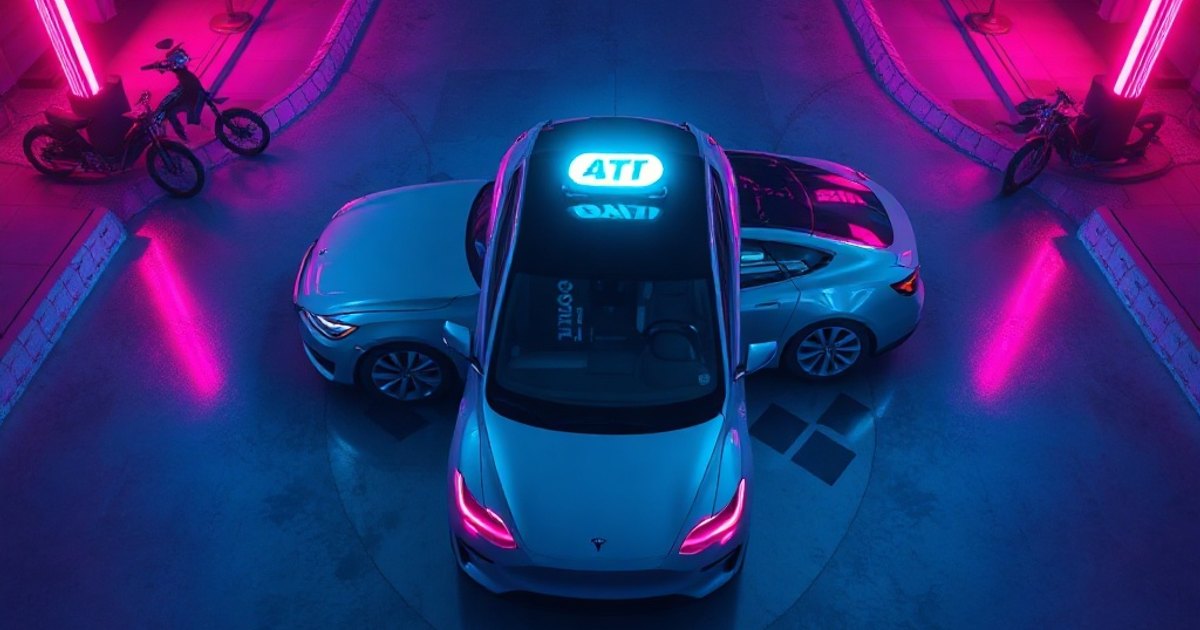
- Fleet operates 13 to 20 Model Y vehicles with Full Self-Driving software, no lidar
- Unsupervised operations began January 22, 2026; original target was 1,000 vehicles
- Waymo operates larger unsupervised fleets across multiple US cities
Fleet scale and original ambitions
Tesla's robotaxi service spans the entire Austin metropolitan area as of June 3, 2026. The gap between the original vision and current reality is stark: Tesla once targeted 1,000 vehicles for its autonomous ride-hailing fleet. Instead, the company operates roughly 13 to 20 active units in Austin, with smaller-scale operations in Dallas and Houston.
By April 2026, the number of active unsupervised vehicles peaked at around 19. The June 3 expansion was the fifth widening of service boundaries, effectively letting the robotaxis roam across the full metro area. Yet the fleet remains constrained by geofencing restrictions that define where vehicles can and cannot operate.
How the service operates
The vehicles themselves are production Model Y units equipped with Tesla's Full Self-Driving software. Tesla's camera-only approach is cheaper per vehicle than competing systems, which theoretically gives it an advantage at scale. Yet the vehicles still require remote monitoring, meaning human operators watch feeds and can intervene or provide guidance when needed.
Safety data from the program remains variable without comprehensive public reporting. The precise nature of the approvals Tesla obtained for unsupervised operations in Texas hasn't been fully detailed, leaving questions about regulatory oversight and performance standards.
Competitive context
Waymo has been operating unsupervised robotaxis in multiple US cities for considerably longer, with larger fleets and more accumulated miles. Tesla's expansion in Austin underscores the challenges in scaling autonomous fleets — a gap that investors and regulators continue to scrutinize as the company pursues its self-driving ambitions.