Tesla profit falls 43% to $787 million as Optimus robot enters production
In brief
- Tesla profit fell 43% to $787 million; revenue stayed flat at $28.05 billion.
- Research spending rose 69% to $2.76 billion; capex more than doubled to $4.73 billion.
- Optimus has entered production at Tesla's Fremont, California, factory, the company said.
- Cybercab deliveries to customers are targeted by end of 2026, a Tesla executive said.
- Tesla and SpaceX boards formed committees to study a combination, Musk said; no terms agreed.
Spending outran sales
Revenue stayed flat at $28.05 billion, per the filing. Operating profit (what's left after the costs of running the business) fell 56% to $718 million.
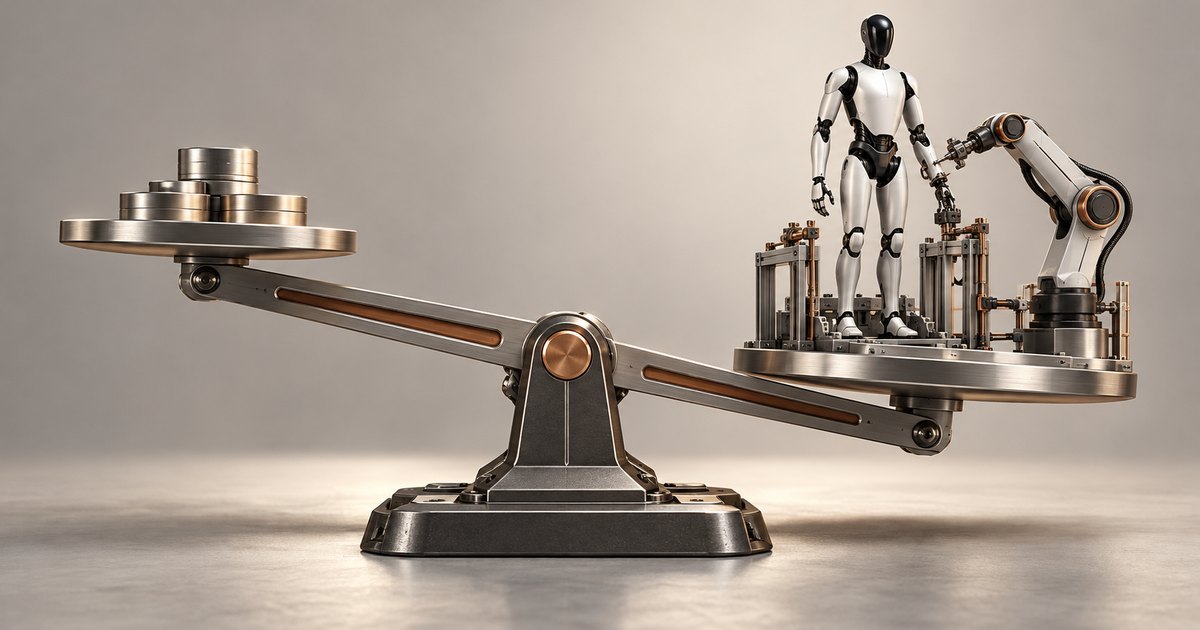
The cost side is where it gets interesting. Research spending rose 69% to $2.76 billion, and capital expenditures, the money spent on factories and equipment, more than doubled to $4.73 billion.
That's the robot bill.
Optimus enters production
Optimus is a humanoid robot meant to take over dangerous and repetitive jobs. Tesla said in its shareholder letter that it's now coming off a production line at its Fremont, California, factory.
Musk wants to reach 20,000 Optimus units a week, but he said getting there will take at least a year because the design is still changing, and he put deliveries to outside customers around the end of 2027. Those are stated goals, not commitments (Tesla has missed Optimus targets before, including a goal of about 10,000 robots in 2025). Musk called the robot's hand the hardest hardware problem, along with whether it holds up beyond a month of use. Tesla isn't alone here: Figure AI, a startup backed by Microsoft, OpenAI and Nvidia, unveiled its Figure 02 humanoid in 2024.
Cybercab timeline and a SpaceX question
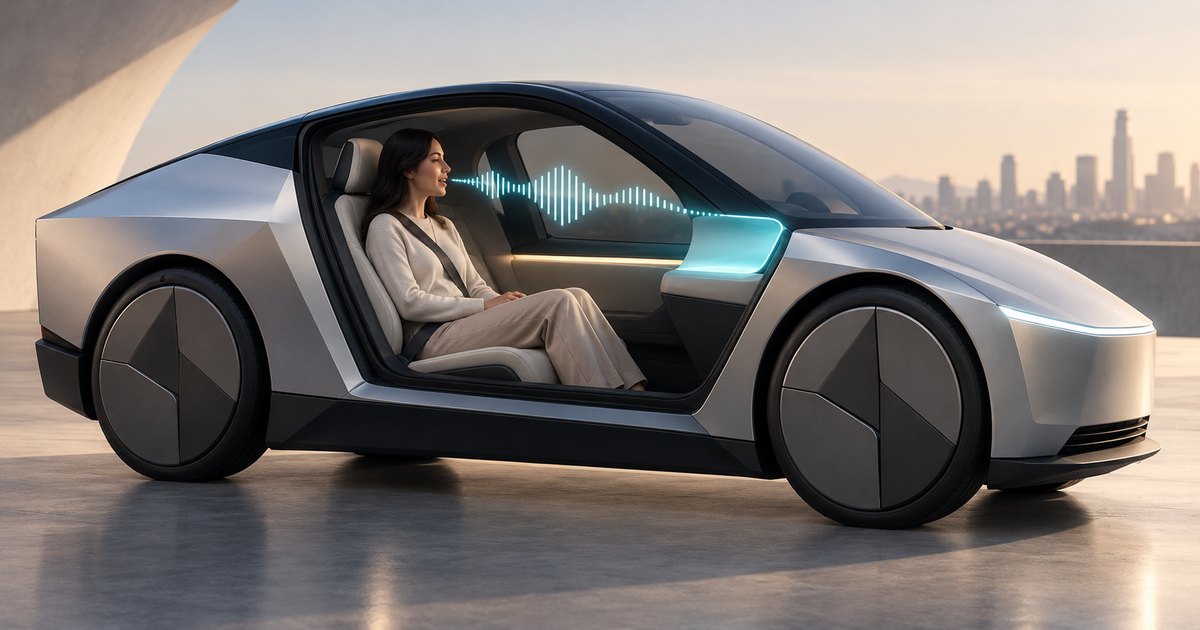
The Cybercab is a two-seat robotaxi with no steering wheel or pedals. Lars Moravy, Tesla's vice president of vehicle engineering, said on the earnings call that they may be available this year.
“We’re trying to get Cybercabs to customers by the end of this year, 2026.”
Every Cybercab built so far is headed to Tesla's own robotaxi fleet, and Musk said most will stay Tesla-owned and offered as "transport as a service." Tesla hasn't said who'll buy first or set a price, though its cited target is under $30,000. Musk said the robotaxi business should become noticeable in Tesla's financials in the second quarter of 2027. Tesla hasn't disclosed what the service brings in.
Separately, Musk said Tuesday on SpaceX's earnings call that the Tesla and SpaceX boards have each formed special committees of independent directors to study a combination. No terms have been agreed. A deal would need support from holders of 50% of all outstanding Tesla shares, which Musk called "quite a high hurdle," and there's no merger vote on the agenda for Tesla's December 3 annual meeting.