Tether adds BotPsy model to QVAC, its open-source on-device AI ecosystem
In brief
- QVAC, Tether's open-source AI ecosystem, runs models on consumer devices rather than in data centers.
- QVAC SDK launched April 9, 2026, with a cross-platform inference runtime.
- QVAC BotPsy, an 800M-parameter agentic model, was released November 11, 2026.
- BotPsy scored 44.0% on BFCL v4 in Tether's initial benchmarks, which aren't independently verified.
- QVAC plugs into Tether's Wallet Development Kit for Bitcoin and USDT transactions.
From SDK to fine-tuning
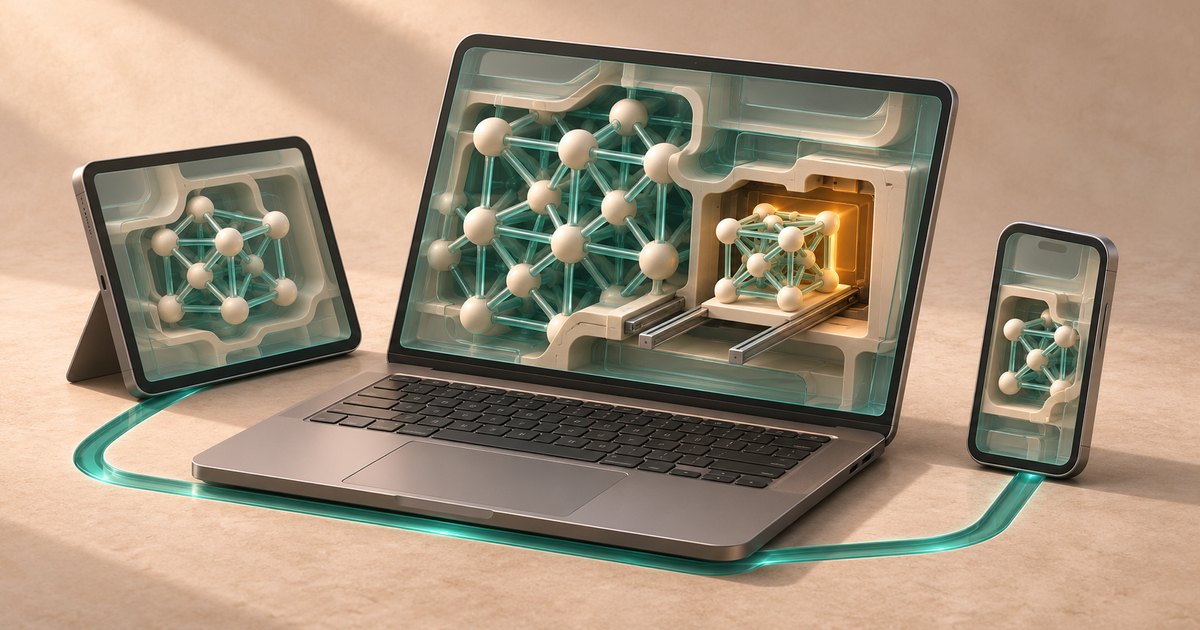
QVAC isn't new. Tether first announced it in May 2025 with a focus on local-first AI, then launched the QVAC SDK on April 9, 2026. The SDK is built around a cross-platform inference runtime, which is meant to let the same AI model run on a phone or a laptop without a separate rebuild for each.
The second piece is QVAC Fabric. It supports fine-tuning models across consumer hardware (including mobile GPUs) and leans on advances in LoRA fine-tuning. Tether has said personalization and local execution are its two design priorities, and it's open-sourced core components under permissive licenses with the stated goal of encouraging community-driven development.
So why run AI on a phone at all?
Running models locally means user data doesn't have to leave the device.
BotPsy and the benchmark claims
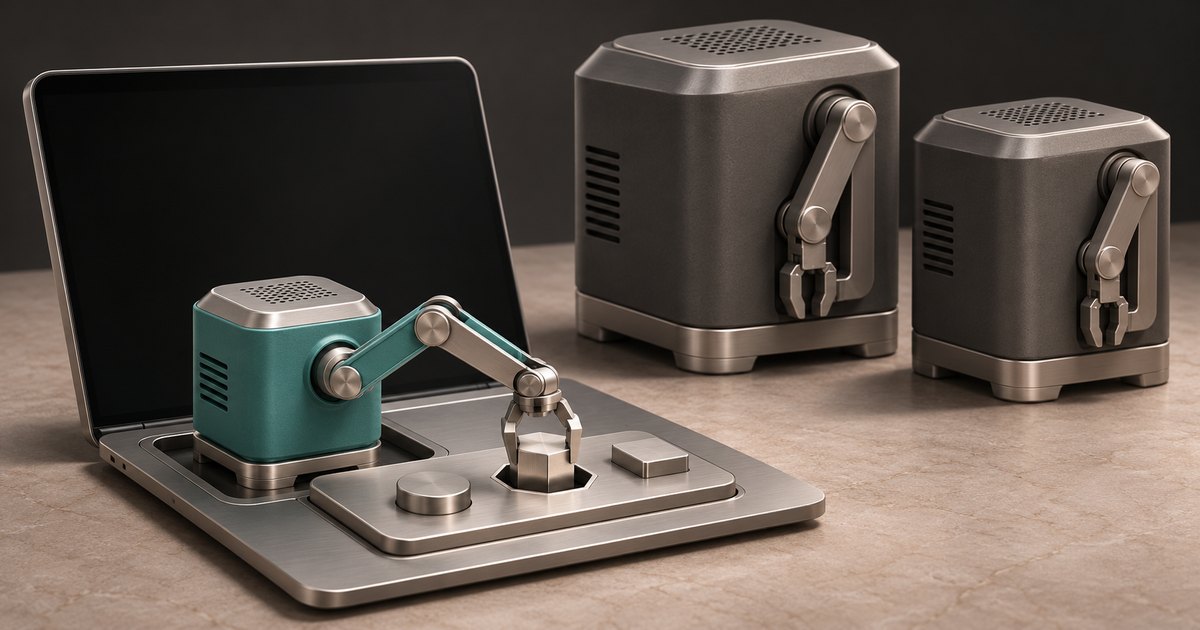
Tether released QVAC BotPsy on November 11, 2026. It's an 800-million-parameter model optimized for agentic tasks. According to Tether's initial benchmarks, BotPsy scored 44.0% on BFCL v4, compared with 37.7% for a 2-billion-parameter model, and the company says it outperformed models up to 2.5 times larger in five of six benchmarks. Those are initial results, not independently verified ones (the report didn't say who ran the tests). VisionPsy is listed as another small model in the QVAC lineup.
Payments built into agents
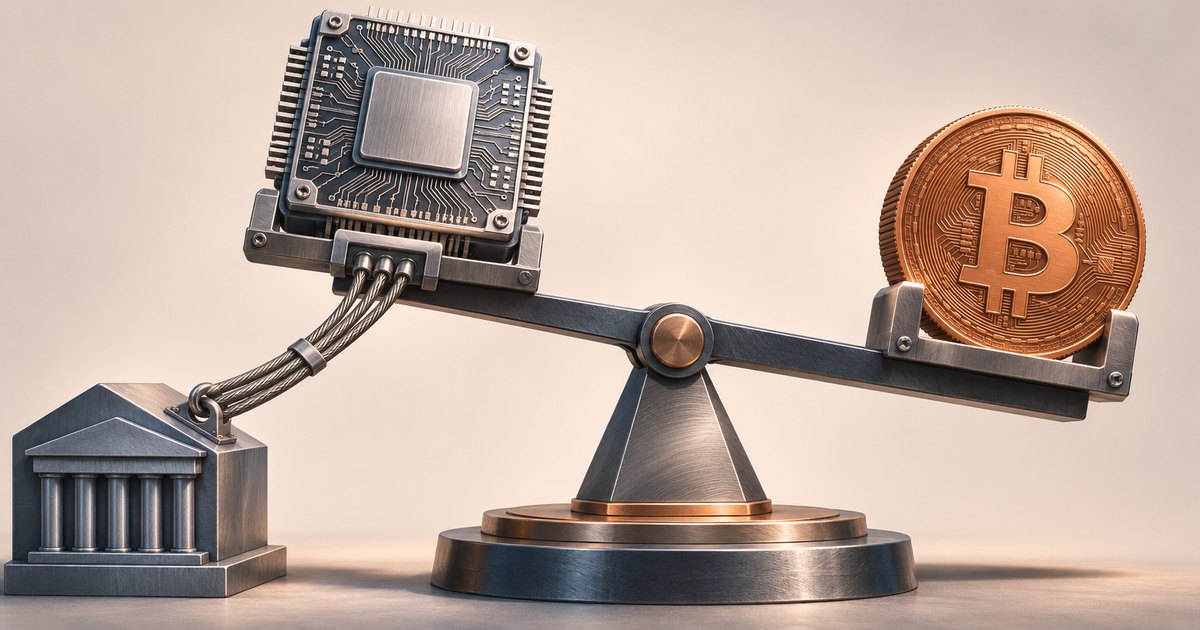
Here's where it ties back to crypto. QVAC plugs into Tether's Wallet Development Kit, which lets users transact in Bitcoin and USDT. The broader strategy is to build payment capabilities into AI-driven agents, giving the platform a three-part stack: local inference, decentralized networking and payment integration.
Tether's stated ambitions go further. The company describes an ecosystem with trillions of agents running on everyday devices, and it's floated applications ranging from robotics to brain-computer interfaces. Those are ambitions Tether has described, not announced plans.
Frequently asked questions
What is Tether's QVAC?
QVAC is an open-source AI ecosystem from Tether, the USDT stablecoin issuer. It's designed to run AI models directly on consumer devices rather than in data centers. Tether first announced it in May 2025 with a focus on local-first AI.
How does the QVAC SDK work across devices?
The QVAC SDK, launched April 9, 2026, is built around a cross-platform inference runtime. It's meant to let the same AI model run on a laptop, desktop or phone without a separate rebuild for each. A companion tool, QVAC Fabric, supports fine-tuning on consumer hardware using LoRA techniques.
How did BotPsy perform in benchmarks?
According to Tether's initial benchmarks, the 800-million-parameter BotPsy scored 44.0% on BFCL v4, versus 37.7% for a 2-billion-parameter model. Tether says it beat models up to 2.5 times larger in five of six benchmarks. The figures haven't been independently verified.
How does QVAC connect to crypto payments?
QVAC plugs into Tether's Wallet Development Kit, which lets users transact in Bitcoin and USDT. Tether's broader strategy is to build payment capabilities into AI-driven agents, alongside local inference and decentralized networking.