Tether leads $1.4B funding round in German robotics startup Neura
In brief
- Tether Investments led $1.4 billion funding round for Neura Robotics, announced Wednesday
- Funding values German robotics startup between $9 billion and nearly $12 billion
- Tether integrates digital wallet technology into Neura robots for autonomous payments
- Neura targets 5 million robots by 2030 with $1.2 billion in existing orders
Tether's Push Into Robotics
Tether Investments led a $1.4 billion funding round for Neura Robotics, marking the stablecoin issuer's latest expansion beyond crypto. The round drew participation from Qualcomm Technologies, Amazon, and NVIDIA, signaling broad industry backing for the German startup's vision.
Neura's founder and CEO, David Reger, is positioning the company to scale rapidly. The startup aims to produce 5 million robots by 2030 with about $1.2 billion in orders already in hand. That order book underscores real commercial demand, not speculation.
Autonomous Payment Infrastructure
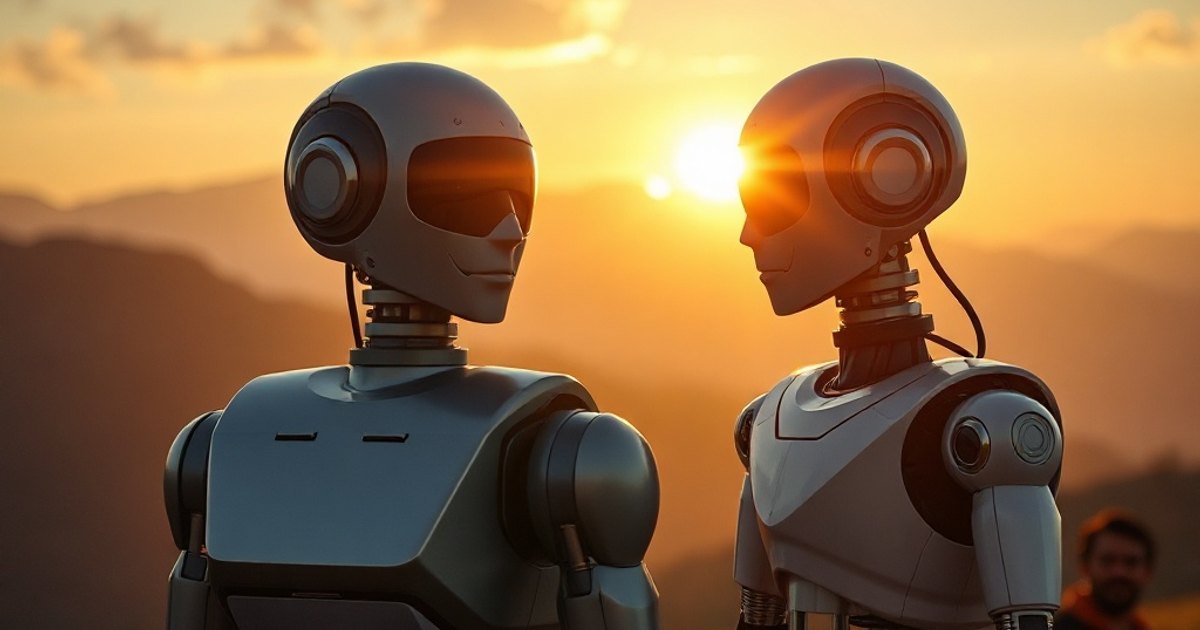
What distinguishes Tether's involvement is the embedded financial layer. Tether is building its own technology into Neura's systems, giving robots independent digital wallets. This means the machines can be paid automatically upon completing a job and can make electronic payments to other machines. It's a direct application of Tether's stablecoin infrastructure to physical robotics—a tangible use case for USDT outside traditional finance rails.
Tether's Diversification Play
Under CEO Paolo Ardoino, Tether is spending across industries outside the immediate crypto sector. The company's growing portfolio includes investments in agriculture, brain tech, and sports. Tether made over $10 billion in profit in the first nine months of 2025 by investing, giving it substantial capital to deploy across emerging sectors.
This robotics bet reflects a broader strategy: Tether isn't just a stablecoin issuer anymore. It's becoming a venture-scale investor using its profits to build infrastructure and real-world applications for digital currency. The Neura deal tests whether that infrastructure can work in physical systems—and whether robots need wallets.