Ukraine strikes Antipinsky refinery 2,000km inside Russia
In brief
- Antipinsky refinery in Tyumen struck by Ukraine on June 6, 2026, over 2,000km from border
- Facility processes 9 million tons crude oil annually, produces gasoline, diesel, export fuels
- Over 20 strikes targeted Russian energy assets since early 2026
- Ukrainian officials frame operations as responses to Russian civilian infrastructure attacks
The strike and aftermath
Ukrainian drones targeted the facility for the first time in October 2025, when local reports indicated explosions near the site. The June incident marked a second confirmed engagement. On June 20, 2026, Tyumen's governor announced that air defenses successfully repelled another drone attack, claiming no injuries or damage were reported.
The divergence between Russian and Ukrainian accounts reflects the broader information warfare surrounding the conflict. Russian officials maintain that air defenses are effective and civilian infrastructure remains secure. Ukrainian sources argue the opposite — that strikes are succeeding and degrading Russia's war-fighting capacity.
Strategic significance
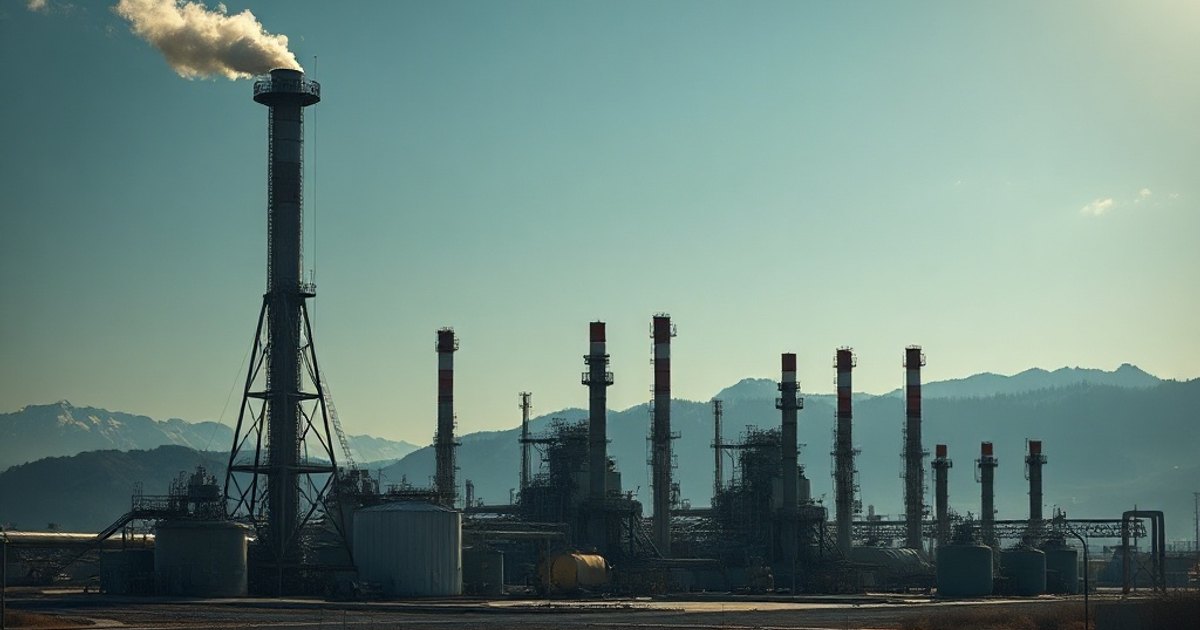
The Antipinsky refinery is one of Russia's prominent private refineries, processing approximately 9 million tons of crude oil per year. It produces gasoline, diesel, and other fuel products that feed both domestic consumption and Russia's energy export machine. Disrupting output at such a facility carries real economic weight.
Hitting a target 2,000 kilometers inside Russian territory represents a qualitative shift in Ukraine's drone strike capabilities. The range and precision required to strike so far from the border demonstrates a maturation of Ukrainian weapons systems and operational planning.
Escalation in energy warfare
Over 20 strikes have reportedly been aimed at Russian energy assets since the start of 2026. Ukrainian officials have framed these operations as direct responses to Russian attacks on Ukrainian cities. The logic is straightforward: degrade the economic infrastructure that funds the Russian military effort.
This strategy carries consequences. Energy markets remain sensitive to supply disruptions. Refineries feed fuel into both civilian and military logistics. If strikes on Russian refining capacity become consistent, global oil prices could face upward pressure — a secondary effect that extends well beyond the immediate conflict zone.