US Calls for Release of $43M Frozen Belarusian Citibank Funds
In brief
- Special Envoy John Coale held first face-to-face talks with Lukashenko on September 15 after six months
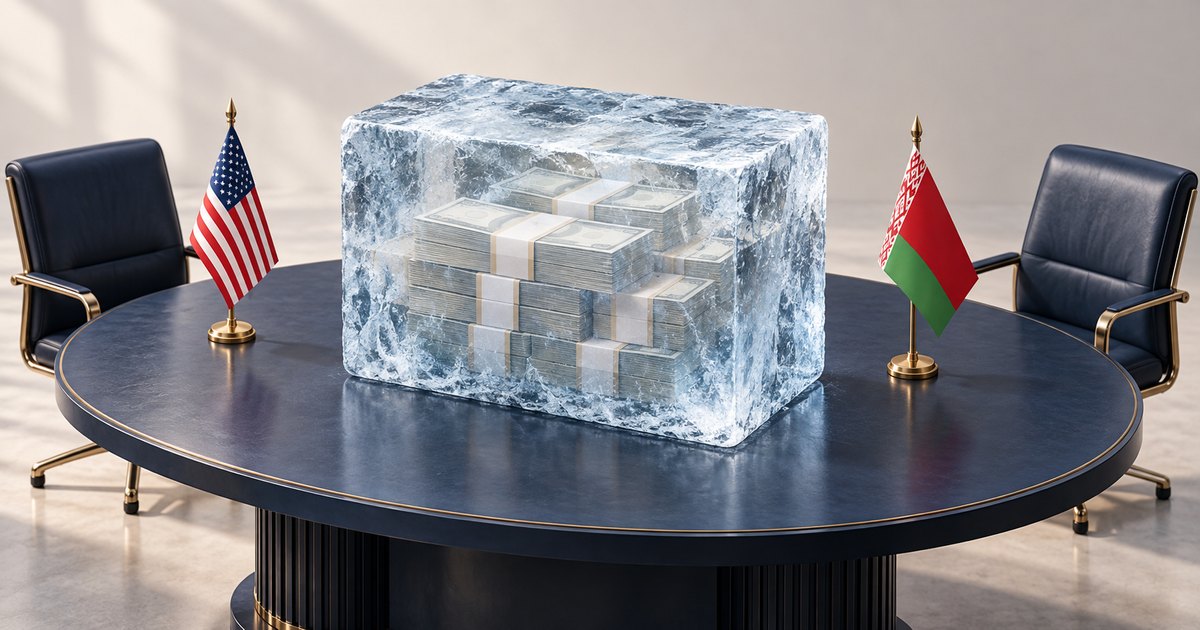
- $43–44 million in Belarusian funds frozen in Citibank account under US sanctions regime
- Lukashenko demands asset release before deeper negotiations on sanctions relief can proceed
- Hundreds of political prisoners released since 2025 talks began; approximately 900 remain detained
- Earlier potash producer sanctions relief acknowledged global economic impact of export disruptions
Preconditions and pressure
Lukashenko stated on September 11 that frozen funds must be released before negotiations can advance. His public demand four days before Coale's arrival signaled that Belarus would not make concessions without tangible economic benefit. The timing was deliberate—a negotiating tactic to establish financial release as a baseline requirement rather than a negotiated outcome.
The US has called on banks to release Belarus's frozen assets. This represents a shift in posture from the hard-line sanctions regime imposed after 2021. Yet the move carries strategic ambiguity: unfreezing capital could either accelerate prisoner releases or simply reward Lukashenko without securing proportional political commitments.
Sanctions relief and political prisoners
Earlier rounds of sanctions relief have been tied to concrete outcomes. Sanctions on Belarusian banks, including Belinvestbank, were lifted in two rounds: December 2025 and March 2026. Those earlier moves came in exchange for something concrete: the release of political prisoners.
Hundreds of detainees have walked free since negotiations began in 2025. But the scale of confinement remains significant. Roughly 900 political prisoners remain in Belarusian custody. The gap between those released and those still detained frames the calculus: how much financial relief is proportional to incremental prisoner releases?
Global economic stakes
The Citibank freeze isn't merely a bilateral dispute. Before the 2021 sanctions regime took hold, Belarus accounted for about 20% of global potassium chloride exports. When those exports were disrupted, fertilizer prices spiked globally, contributing to food price inflation that hit developing nations.
The US decision to lift sanctions on certain Belarusian potash producers earlier in the negotiation process was partly acknowledgment of global economic impact. That precedent suggests Washington recognizes the collateral damage of prolonged asset freezes. Yet releasing Citibank funds without securing further political concessions risks setting a precedent that financial pressure yields to Lukashenko's demands without reciprocal movement on human rights.
Frequently asked questions
Why did Lukashenko demand release of frozen funds before deeper negotiations?
Lukashenko stated on September 11 that frozen funds must be released before negotiations can proceed. His public demand four days before Coale's arrival signaled that Belarus would not make concessions without tangible economic benefit. Earlier sanctions relief was tied to concrete outcomes like political prisoner releases, establishing a pattern where financial pressure yields results.
How many political prisoners have been released and how many remain?
Hundreds of political detainees have been released since negotiations began in 2025. However, roughly 900 political prisoners remain in Belarusian custody, indicating significant ongoing confinement despite incremental releases tied to sanctions relief.
What's the global economic impact of Belarus's frozen potash exports?
Before 2021 sanctions, Belarus accounted for about 20% of global potassium chloride exports. When those exports were disrupted, fertilizer prices spiked globally, contributing to food price inflation that hit developing nations hardest. The US later lifted sanctions on certain Belarusian potash producers partly in acknowledgment of this global economic damage.